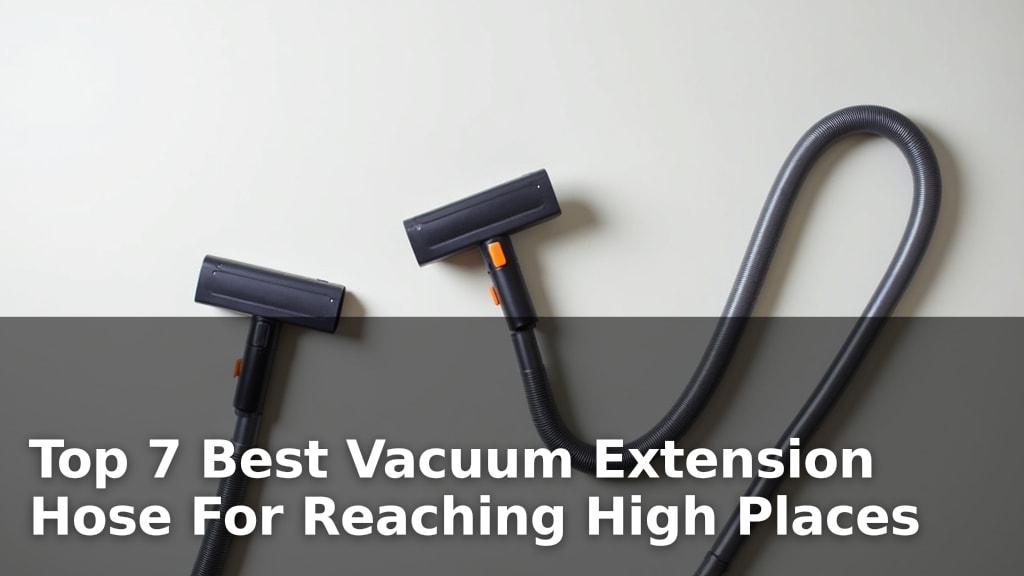
Vacuum Care and Repair
Best Vacuum Extension Hose For Reaching High Places
Compare vacuum extension hose options for reaching high places, with notes on fit, length, and flexibility to help you clean shelves and ceiling corners.
Cleaning, maintenance, troubleshooting, parts, and repair help for your vacuum.
Compare vacuum extension hose options for reaching high places, with notes on fit, length, and flexibility to help you clean shelves and ceiling corners.
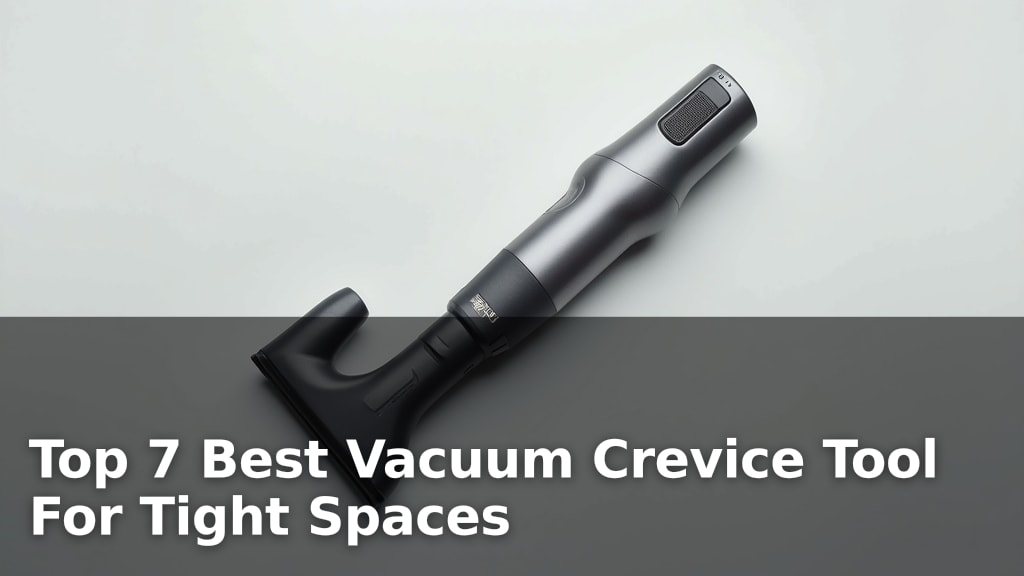
Discover the top 7 best vacuum crevice tools for tight spaces. Our fresh, hands-on guide helps you tackle those hard-to-reach spots with ease.

HEPA vs. True HEPA: Discover the key differences in air filter performance and what each means for your home's air quality. Understand your options.
Tired of hair tangling your vacuum brush roll? Learn effective tips and tricks to prevent hair wrap for a cleaner home and longer-lasting vacuum.
Keep your vacuum running efficiently. Learn how to clean vacuum filters without water for optimal performance and longevity.
Banish that musty smell! Learn how to clean your vacuum cleaner filter effectively to restore fresh air and optimal suction.
Easily clean your vacuum roller brush without tools. Learn simple steps to remove hair and debris, restoring your vacuum's performance.
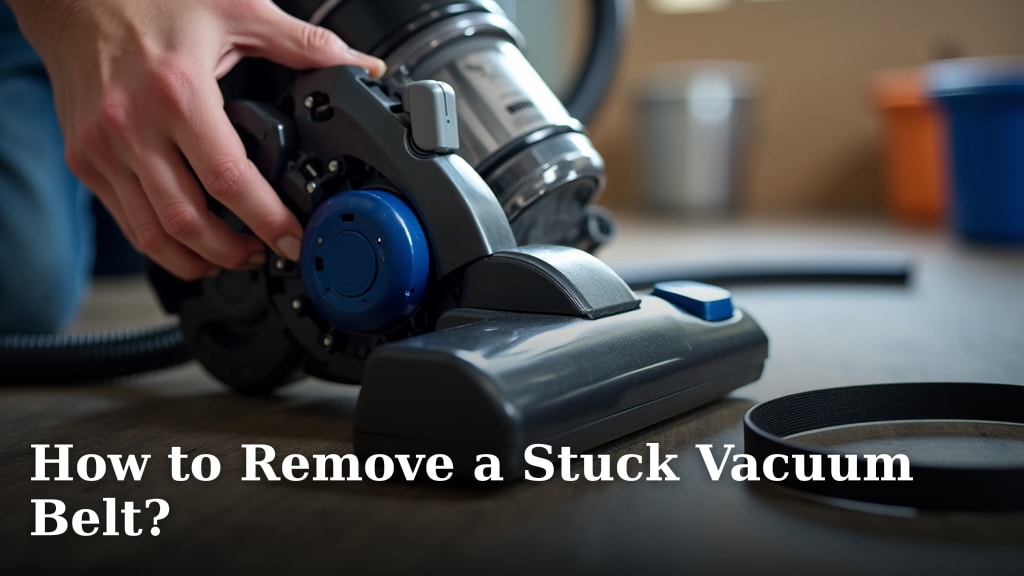
Learn how to remove a stuck vacuum belt safely, check the brush roll for tangled debris, and fit a replacement so the cleaner can run again.

Discover if you can replace your vacuum's HEPA filter with a generic one. Learn the pros, cons, and potential risks to keep your air clean.
Is your house still smelling after vacuuming? Discover common culprits from dust to mold and learn how to eliminate lingering odors for good.
Why is your vacuum roller brush jammed? Learn how to remove wrapped hair and debris, check the brush roll, and get it spinning freely again.
Is your vacuum spitting dust back out? Discover the common causes and simple fixes to restore powerful suction and a cleaner home.

Learn how to fix suction loss on a Shark vacuum by checking for clogs, a full bin, dirty filters, and leaks, with steps to restore airflow safely.

Essential Steps to Keep Your Vacuum Cleaner Running Strong Proper maintenance can double or even triple the life of your vacuum cleaner. Think of it like regu

Is your vacuum not turning on? Learn common causes and easy troubleshooting steps to fix a vacuum that won't turn on and get it working again.
Discover why vacuum cleaners lose suction over time. Learn the common causes, from clogged filters to motor wear, and how to restore peak performance.
Learn how often you should replace your vacuum filter to maintain suction power and improve air quality. Keep your home cleaner, longer.

Unsure when to replace your vacuum cleaner? Discover the factors influencing its lifespan and how to know it's time for an upgrade, saving you money.
Find out if you need a backup vacuum bag supply. This guide helps you determine the right amount to keep on hand for uninterrupted cleaning.
Curious how much it costs to repair a vacuum? Get a clear breakdown of potential expenses and learn when fixing your vacuum makes sense.
Is your vacuum battery draining fast? Uncover common culprits from old batteries to clogged filters and learn how to restore your vacuum's run time.
Discover common culprits behind a clogged vacuum hose, from dirt and debris to blockages. Learn how to diagnose and resolve the issue.
Is your vacuum cleaner repeatedly shutting off? Discover common reasons why your vacuum keeps shutting off, from overheating to blockages, and find easy fixes.
Why is your vacuum overheating? Find common causes such as clogs, dirty filters, and airflow problems, then learn what to check before using it again.
Vacuum brush roll not spinning? Learn common causes from tangled hair to belt issues and how to fix them, restoring your vacuum's cleaning power.
Is your vacuum making a high pitched noise? Discover common causes like blockages or motor issues and learn how to diagnose and fix it for quieter cleaning.
Uncover why your vacuum smells bad and learn the common culprits behind the odors. Find out how to eliminate those unpleasant smells for good.
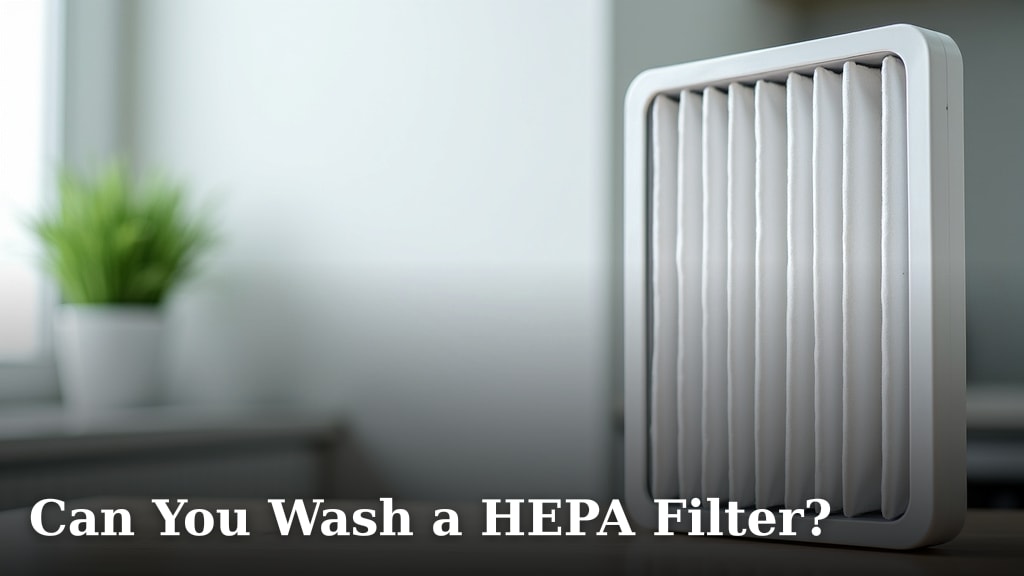
Discover if you can wash a HEPA filter, the pros and cons, and best practices for filter maintenance to improve air quality.
Discover what a HEPA filter is in a vacuum, how it works to trap allergens and fine particles, and why it's essential for cleaner air.
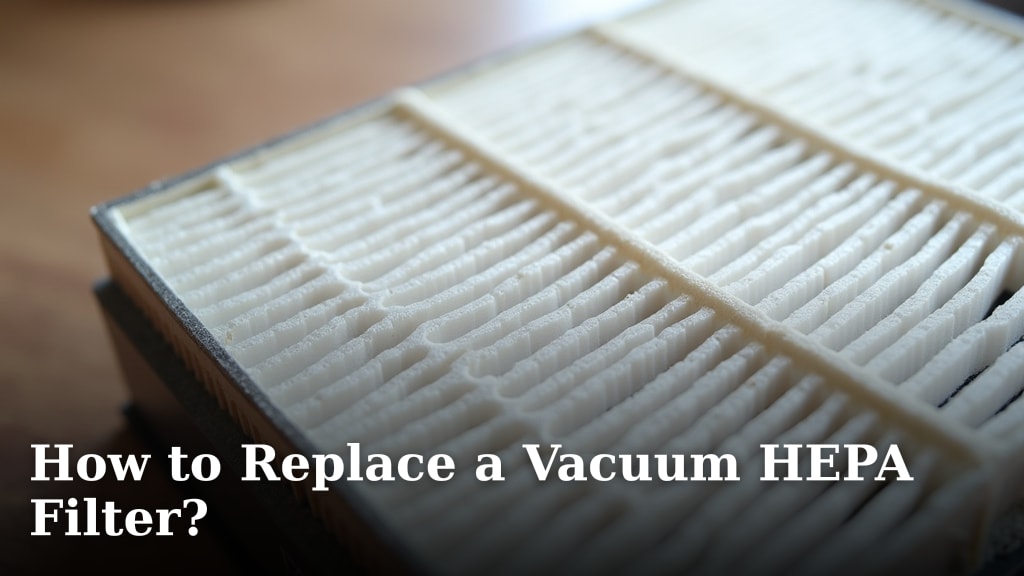
Learn how to easily replace a vacuum HEPA filter with our step-by-step guide. Improve air quality and vacuum performance today.

Learn how to change a vacuum bag the right way with our easy-to-follow guide. Keep your vacuum performing its best and your home cleaner.
Stubborn odors from your vacuum? Learn how to clean a vacuum with a smell using simple steps and common household items to restore freshness.

Learn how to effectively remove hair from a vacuum brush roll using simple steps and household tools, restoring your vacuum's cleaning power effortlessly.
Discover how to clean a vacuum filter for improved suction and a healthier home. This guide shares simple steps to deep clean your vacuum filter.
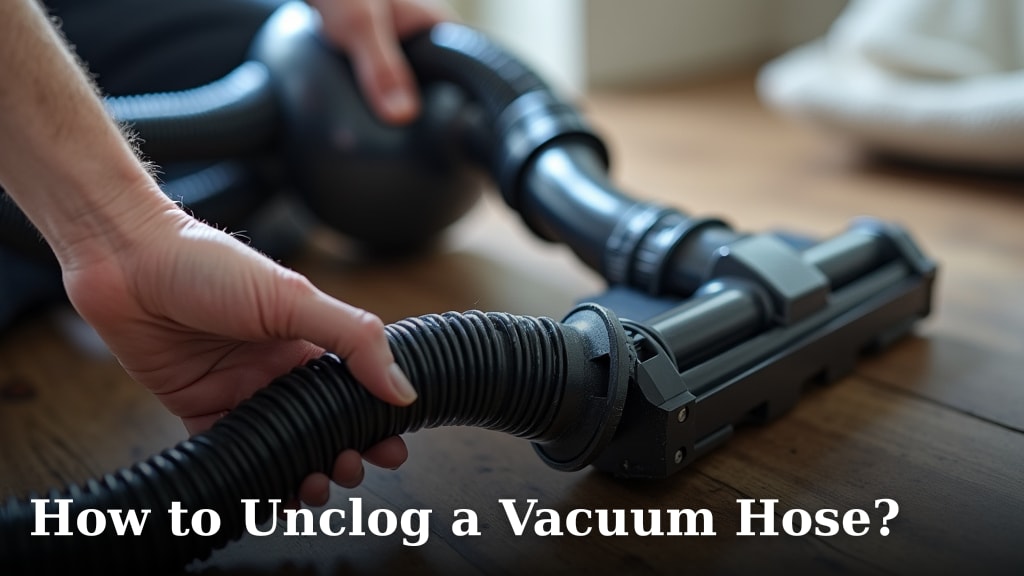
Banish blockages! Learn how to unclog a vacuum hose with our simple, effective steps, restoring suction and extending your vacuum's life.
Is your vacuum struggling? Learn how to fix a vacuum that lost suction with our guide to common causes and easy DIY solutions. Tackle the problem.
Is your vacuum losing suction? Discover common culprits like clogged filters and blockages. Learn how to diagnose and fix the problem for a powerful clean.
A vacuum cleaner stops working most often due to simple blockages, a full dustbin, or electrical issues like a damaged cord. These common problems often have

Your vacuum cleaner might not be turning on due to a power supply problem, a tripped circuit breaker, or a faulty power cord. Internal electrical issues, such
Your vacuum cleaner keeps shutting off primarily due to overheating, a built-in safety measure to prevent motor damage. This common issue is often triggered b

A vacuum cleaner typically stops working due to common issues like a clogged hose or filter, a full dust bag, or a problem with its power supply. Often, a sim
If your vacuum cleaner smells like burning, it often signals an overheating motor, a clogged airflow, or a worn-out drive belt. This scent usually warns of a

Your vacuum cleaner likely smells like vomit due to bacteria and mold growth inside its components, often from damp debris like pet accidents or spilled food.

Your vacuum cleaner smells bad primarily because of trapped organic debris like pet hair, food crumbs, or mold spores festering within its components. These c
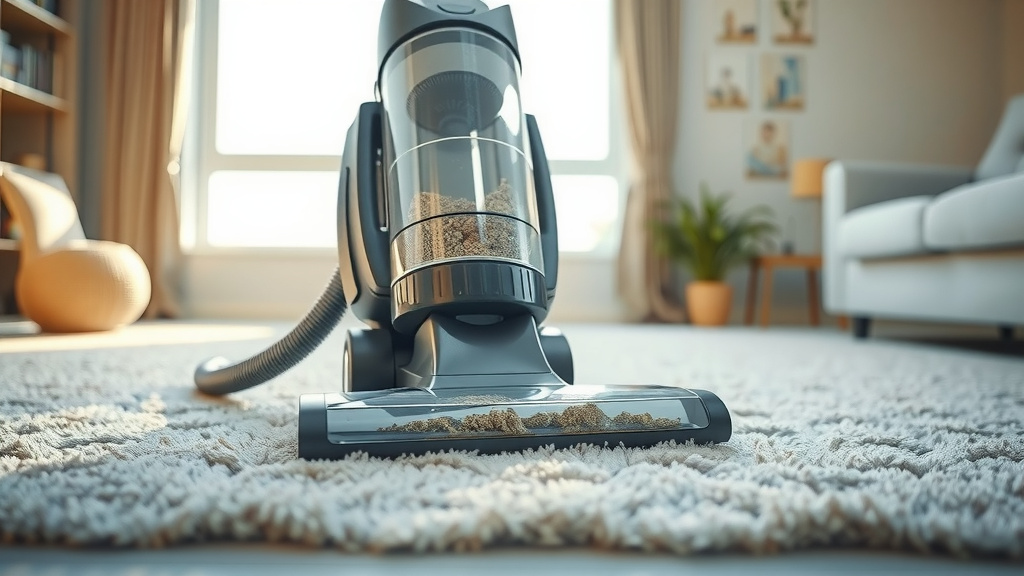
Your vacuum cleaner loses suction primarily due to clogged filters, a full dustbin or bag, and blockages in the hose or brush roll. These issues restrict airf
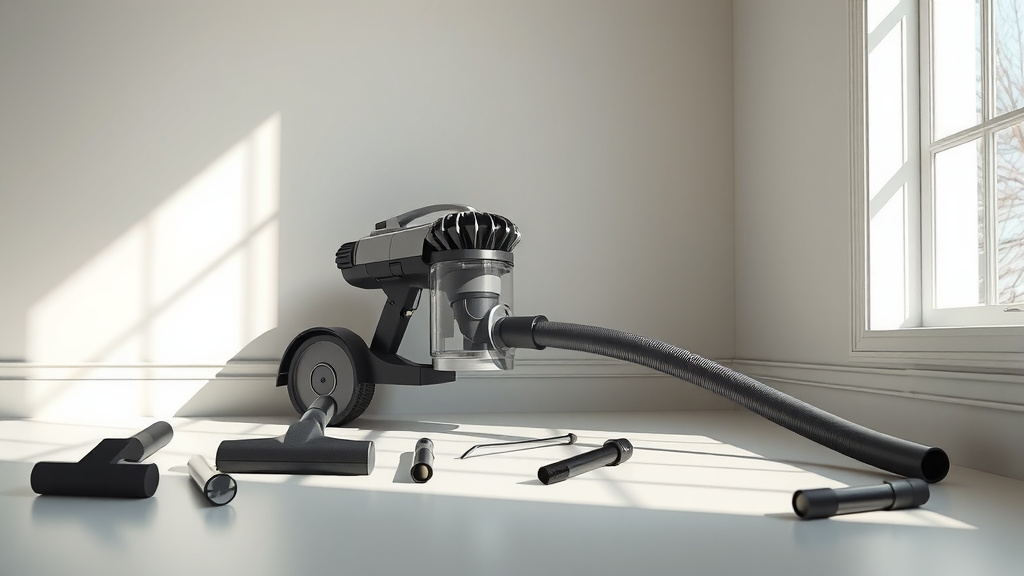
To fix vacuum cleaner suction, start by checking and emptying the dustbin or replacing the bag, then inspect and clean or replace clogged filters. Many expert

Your vacuum cleaner might be so loud due to common issues like a clogged filter or a blocked hose, which force the motor to work harder. Often, a full dustbin

Your vacuum cleaner is blowing out dust because its filtration system is compromised, most often due to a clogged filter or a full dustbin, allowing fine part

Reducing vacuum cleaner noise often involves simple maintenance like clearing blockages, replacing worn parts, or ensuring proper seals, which can significant

To increase your vacuum cleaner’s suction power, regularly empty its dustbin or change the bag, and clean or replace all filters. Often, a simple clog in the
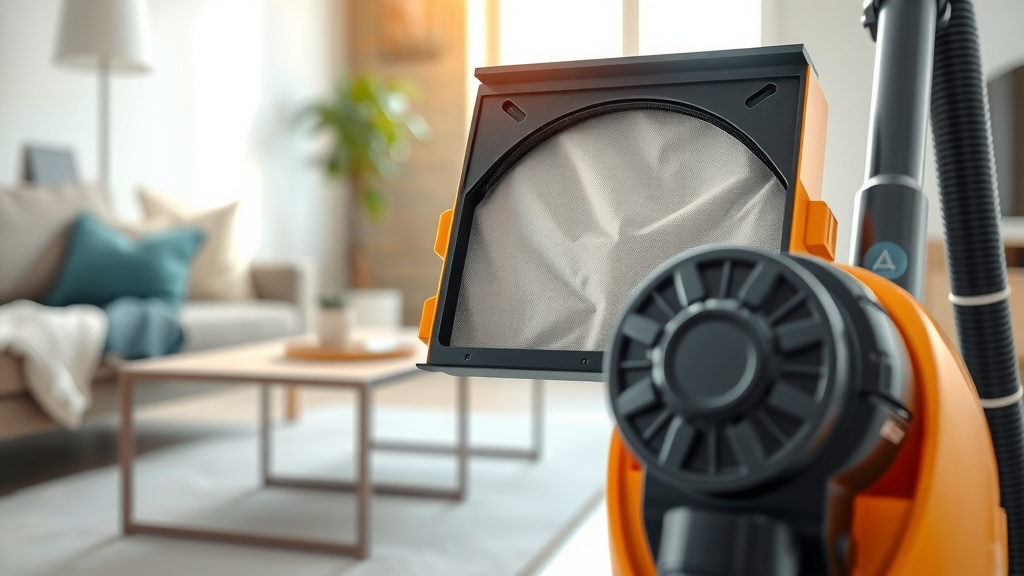
A dust bag in a vacuum cleaner is a disposable container, typically made from paper or synthetic fibers, designed to collect dirt, dust, and debris as your va

A HEPA filter in a vacuum cleaner captures at least 99.97% of airborne particles that are 0.3 micrometers in size. This includes common allergens like pollen,

A crevice tool on a vacuum cleaner is a long, narrow attachment designed to reach and clean tight, awkward spaces where standard vacuum heads cannot go. Its s

A beater bar, often called a brush roll or agitator, is the rotating brush assembly located at the bottom of many vacuum cleaner heads. Its main job is to vig
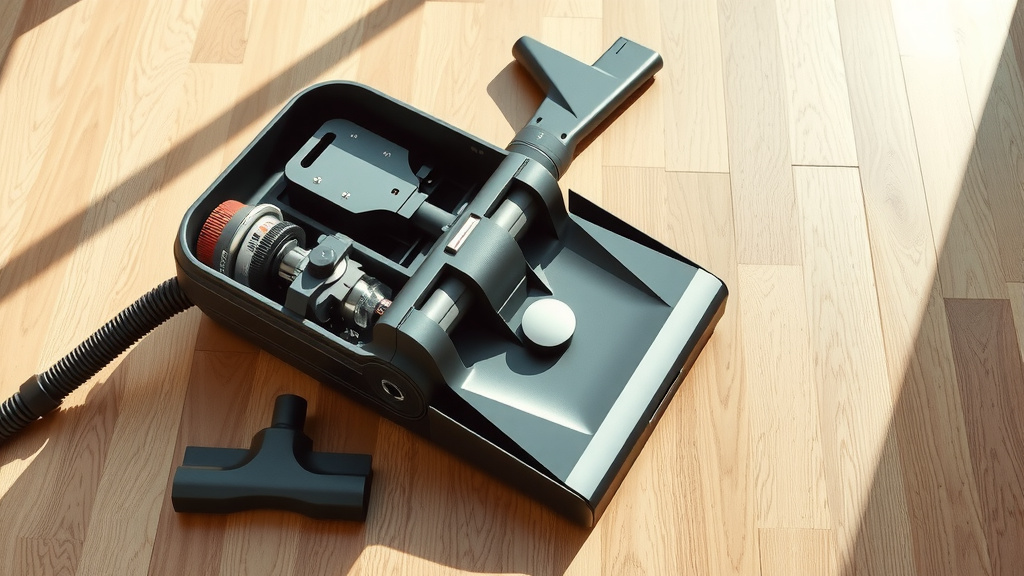
The essential components of a vacuum cleaner include the powerful motor, a fan that creates airflow for suction, a filtration system, a container for dust and

You should generally consider replacing your vacuum cleaner every 5 to 8 years, though this can vary greatly based on its quality, how often you use it, and h

The vacuum cleaner has drastically changed from early manual models to today’s intelligent robotic devices, transforming how we clean our homes. These advance

Vacuum cleaner bags work by acting as a highly effective filter, capturing dust, dirt, and allergens from the air sucked in by the vacuum motor while allowing

Generally, you cannot reuse vacuum cleaner bags effectively or hygienically. Trying to empty and reuse them often leads to reduced cleaning power and can spre

No, vacuum cleaner bags are not universal; they are specifically designed to fit particular vacuum cleaner makes and models. Each vacuum brand and model often

A self cleaning brushroll vacuum automatically removes hair and debris tangled around its rotating brush, eliminating the need for you to cut or pull out mess

To use vacuum cleaner attachments effectively, match the tool to the surface or task, like using a crevice tool for tight spaces or a dusting brush for delica
To unclog a vacuum cleaner hose, first disconnect it from the machine and any attachments. Visually inspect both ends, then gently shake the hose to dislodge

To unclog a vacuum cleaner, first unplug the machine for safety. Then, inspect the hose, brush roll, and filters for visible obstructions. Often, a stubborn c
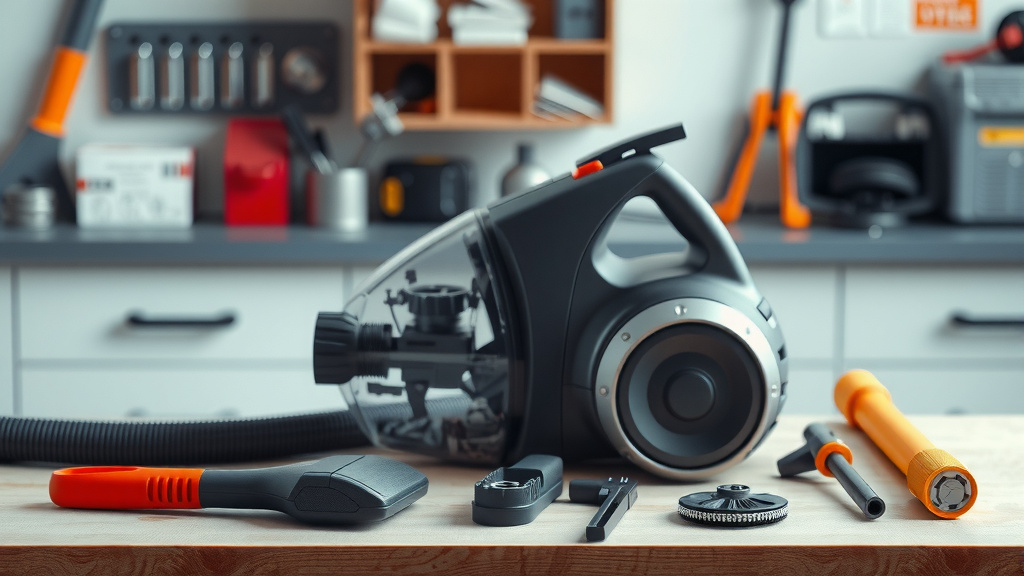
To take apart a vacuum cleaner, first unplug it from the power source to ensure your safety, then consult your owner’s manual for specific model instructions

To safely open a vacuum cleaner, you must always unplug it from the power source and refer to your owner’s manual for model-specific instructions. Generally,

To disassemble a vacuum cleaner, always start by unplugging it from the wall to ensure safety, then typically look for easily removable parts like the dust bi

To store your vacuum cleaner in a small apartment, choose compact models like stick or handheld vacuums that tuck away easily. Utilize vertical spaces such as

Storing vacuum cleaner attachments keeps them organized and easily accessible. The most effective ways to store vacuum cleaner attachments include utilizing o

To properly store your vacuum cleaner, first ensure it is clean and empty, then find a cool, dry place away from direct sunlight. Always coil cords neatly and

You can hide your vacuum cleaner effectively by utilizing existing storage spaces like closets, pantries, or under-bed areas, or by integrating it into furnit

To hang a vacuum cleaner securely, you’ll need to choose a method that matches your vacuum’s weight and your wall’s construction. This usually involves a wall

You can store a vacuum cleaner in the garage, but it’s often not the ideal spot due to environmental factors that can damage the appliance. Consider temperatu

Most vacuum cleaners do not feature a dedicated, labeled “reset button” that you simply press. Instead, they often have an internal thermal cut-off switch tha

To reset a vacuum cleaner, first unplug it from the wall outlet and let it sit for at least 30 minutes to allow the motor to cool down and internal…

To unclog a vacuum cleaner hose, first unplug your vacuum for safety. Then, detach the hose and visually inspect it for blockages, using a broom handle or

Replacing a vacuum cleaner hose typically involves disconnecting the old hose from both the main unit and the wand/attachments, then securely attaching the ne

You can effectively clean a vacuum cleaner hose by first removing it from the vacuum, inspecting for clogs, and then using a broom handle, coat hanger, or spe
Replacing a vacuum cleaner cord involves carefully opening the vacuum’s housing, identifying the cord’s connection points, and securely wiring in a new, compa

Yes, you can often replace a vacuum cleaner cord, but it depends on your comfort with electrical work and the specific vacuum model. Replacing a vacuum cleane

Replacing a vacuum cleaner belt usually means flipping your machine over, removing the bottom plate, and carefully swapping the old, stretched, or broken belt

To effectively remove hair from your vacuum cleaner brush, first unplug the vacuum for safety, then use scissors or a seam ripper to carefully cut through tan

To clean your vacuum cleaner brush, first disconnect power, then remove the brush roll and use scissors to carefully cut away tangled hair and fibers. After d

To stop a vacuum cleaner from smelling, first empty its dustbin or change the bag immediately. Then, thoroughly clean or replace all filters and inspect the h

To make your vacuum cleaner smell good, start by emptying the dustbin or replacing the bag immediately after use. Regular cleaning of internal components
To deodorize a vacuum cleaner, start by emptying the dust bin or replacing the bag immediately, then thoroughly clean or replace all filters. Address hidden d
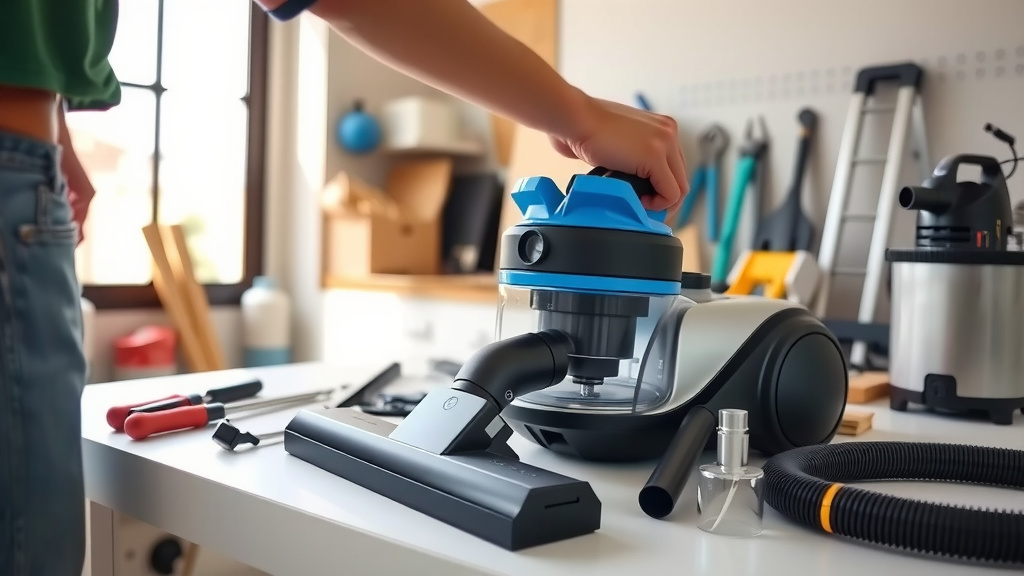
To service a vacuum cleaner, you typically need to empty the dustbin, clean or replace filters, untangle the brush roll, and inspect hoses for blockages. Regu

To maintain a vacuum cleaner, regularly empty the dust bin or replace the bag, clean or replace filters, untangle hair from the brush roll, and check hoses fo

Finding a reliable vacuum cleaner repair shop near you is simpler than you might expect. You can typically find expert help by searching online for local vacu

Repairing a vacuum cleaner can absolutely be worth it, especially for higher-end models or minor issues. Often, a simple fix saves you money and extends your

To test a vacuum cleaner motor, first disconnect it from power. Then, use a multimeter to check for continuity in the motor’s windings, ensuring electricity c

If your vacuum cleaner is overheating, the most common culprits are a clogged filter or a blocked hose, restricting airflow and making the motor work harder.

A vacuum cleaner with no suction often indicates a blockage in the hose, a full dust bag or bin, or a clogged filter. Start by checking these common culprits

To fix a vacuum cleaner, begin by checking for common culprits like a full bag, a clogged hose, or a tangled brush roll. Many issues can be resolved quickly a

To empty a vacuum cleaner, carefully detach the dustbin or bag, ensuring you’re over a trash can or outdoors to contain dust. Open the bin’s release latch or

To empty a bagless vacuum cleaner, you typically detach the dust bin, position it over a trash can, and press a release button to open the bottom flap, allowi

The best places to donate a vacuum cleaner include local charity shops like Goodwill or Salvation Army, community organizations, and sometimes even small appl

When you have an old vacuum cleaner you no longer need, the best approach is often to consider donation, recycling, or responsible disposal through local wast

Yes, many parts of a vacuum cleaner are recyclable, but it’s not always a straightforward process for the entire unit due to its complex mix of materials. You

Yes, a vacuum cleaner is considered electronic waste, or e-waste, when it reaches the end of its useful life. This includes all types of vacuums, from upright

To recycle a vacuum cleaner, first remove all debris and bags, then locate your local e-waste recycling center or check for retail take-back programs. Many co
You can dispose of a vacuum cleaner through recycling centers, donation to charities, or by placing it in your regular trash, depending on its condition and l
To sanitize a vacuum cleaner, first disassemble removable parts like the dustbin, filters, and brush roll. Then, thoroughly clean all components with soap and
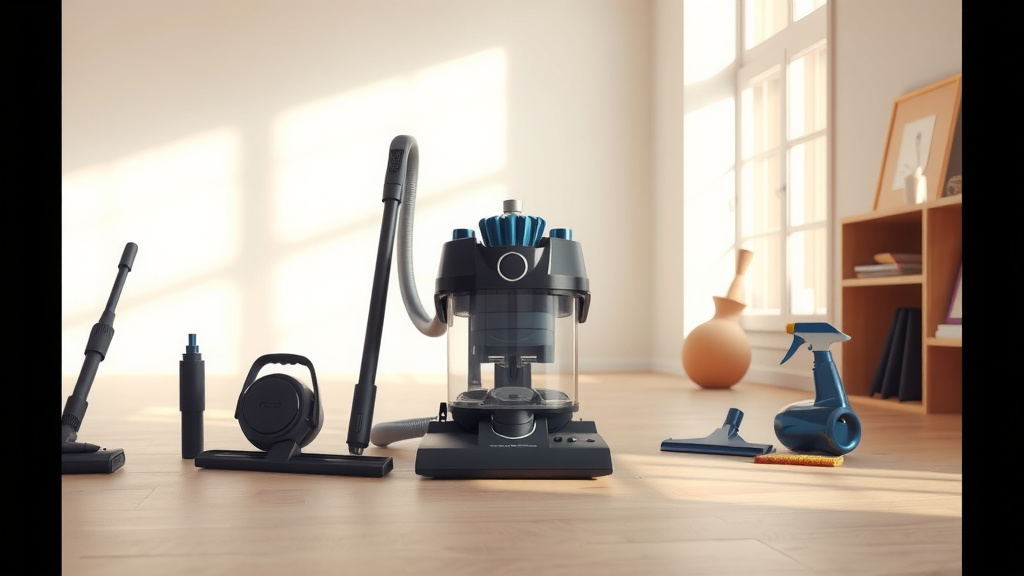
To deep clean a vacuum cleaner, you must first unplug it for safety and then empty the dust bin or replace the bag. Afterward, disassemble key components like
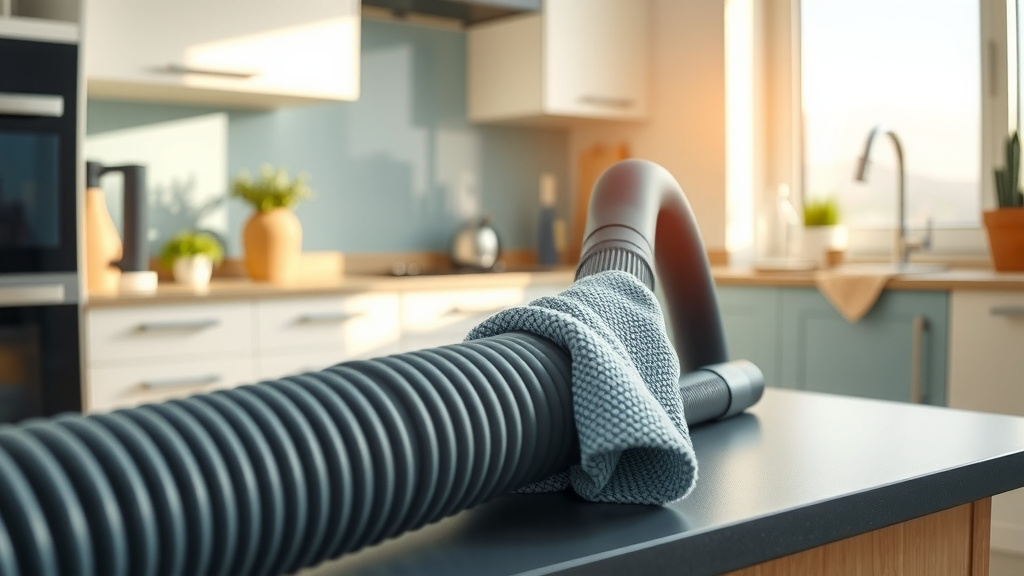
To clean a vacuum cleaner hose, first detach it from the vacuum and shake out loose debris, then soak it in warm, soapy water to loosen dirt and stubborn clog

To clean your vacuum cleaner filter, first remove it from the vacuum according to your manual. For washable filters like foam or felt, rinse under cool water

To clean a vacuum cleaner brush, first unplug the vacuum for safety. Then, remove the brush roll and use scissors or a seam ripper to carefully cut away tangl

To clean a vacuum cleaner, first unplug it for safety. Then, empty the dust bin or replace the bag, clean or replace the filters according to your model’s ins

To clean a bagless vacuum cleaner, regularly empty the dust bin, wash filters if they are rinseable, and clear any brush roll tangles. You should also check t

To change a vacuum cleaner filter, first always unplug your machine for safety. Then, locate the filter compartment, usually near the dustbin or motor, carefu

Yes, you can wash a vacuum cleaner filter, but it really depends on the specific type of filter your vacuum uses. Always consult your vacuum cleaner’s user ma

To change the bag in your vacuum cleaner, first unplug the unit for safety, then open the bag compartment, carefully remove the full bag, and insert a fresh o

Assembling a vacuum cleaner typically involves connecting the main body, handle, and hose, then attaching any accessories. You can assemble your vacuum cleane