How To Increase Suction Power Of Vacuum Cleaner?
To increase your vacuum cleaner’s suction measurement, regularly empty its dustbin or change the bag, and clean or replace all filters. Often, a simple clog in the hose or brush roll can significantly reduce how well your vacuum performs.
Here’s a quick overview of how to boost your vacuum’s performance:
- Empty the dustbin or change the bag regularly.
- Clean or replace your vacuum’s filters.
- Check the hose, wand, and attachments for blockages.
- Clear any debris from the brush roll.
- Inspect seals and gaskets for air leaks.
How To Increase Suction Power Of Vacuum Cleaner?
Increasing your vacuum cleaner’s suction power typically involves basic maintenance tasks. You can often restore peak performance by addressing common issues like full dustbins or clogged filters.
Empty the Dustbin or Change the Bag
This might seem obvious, but a full dustbin or bag is the most common culprit for weak suction. Think of it like trying to breathe with a full mouth; there’s just no room for more air. We often find that users experience immediate improvement after this step.
For bagless vacuums, empty the canister before debris reaches the “max fill” line. With bagged models, replace the bag once it’s about two-thirds full, even if it hasn’t reached the official full line. A partially full bag can still restrict airflow significantly.
Why a Full Bag or Bin Matters
As dust and dirt accumulate, they create a barrier. This barrier makes it harder for air to flow through the system. Your motor works harder, but less dirt gets picked up. Many cleaning professionals advise frequent emptying to maintain optimal performance.
Clean or Replace Your Filters
Your vacuum has filters to trap fine dust and allergens, protecting the motor and keeping the air clean. Over time, these filters get caked with dirt. A dirty filter is like a blocked nose; it just can’t breathe.
Most vacuums have at least one motor filter and a HEPA filter (if applicable). Check your vacuum’s manual to find all the filter locations. Some filters are washable, while others need replacing.
Washing Washable Filters
If your filters are washable, remove them and rinse them under cool water. Make sure the water runs clear. It’s important to let them air dry completely for at least 24 hours before putting them back. Putting a damp filter back can damage your vacuum and encourage mold growth.
Replacing Non-Washable Filters
If your filters aren’t washable, you’ll need to replace them periodically. We found that most manufacturers recommend replacing filters every 3 to 6 months. This timeline can vary depending on how often you vacuum and if you have pets (Consumer Reports).
Inspect for Hose and Attachment Blockages
A hidden blockage can silently kill your suction power. Imagine trying to drink a thick milkshake through a tiny, bent straw. Nothing gets through!
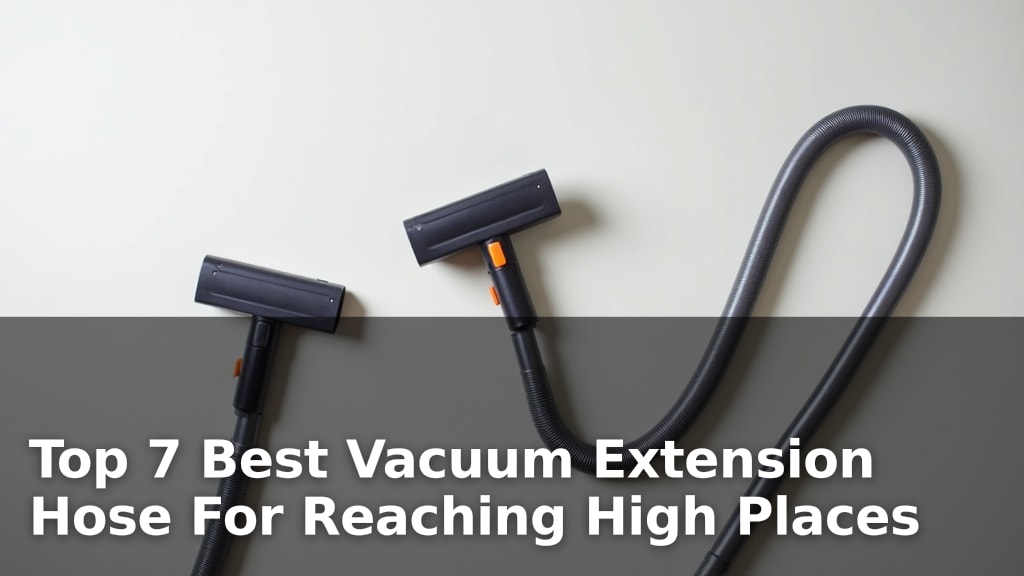
Disconnect the hose from the vacuum body and visually inspect it. Shine a flashlight through to spot any clogs. You might find hairballs, socks, or even small toys stuck inside. Similarly, check any wands or attachments you frequently use.
Clearing a Blockage
You can try using a broom handle or a long, thin object to gently push through a blockage. Be careful not to puncture the hose. Many experts suggest wearing gloves to avoid touching the debris directly. Sometimes, simply bending the hose can dislodge a stubborn clog.
Clean the Brush Roll
The brush roll (or beater bar) at the bottom of your vacuum is crucial for picking up dirt, especially from carpets. It agitates the fibers to loosen debris. When hair and threads wrap around it, the brush roll can’t spin freely. This affects both suction and cleaning power.
Turn off and unplug your vacuum first. Then, flip it over. Use scissors or a seam ripper to carefully cut away any tangled hair or fibers. Pull them out by hand. Make sure the brush roll spins easily after cleaning.
Check for Air Leaks and Seals
Even if everything else is clean, a tiny leak in the system can cause a noticeable drop in suction. Your vacuum relies on a sealed system to create powerful suction. Any cracks or loose connections mean air escapes.
Inspect the hose for cracks or holes. Check where the hose connects to the vacuum and attachments. Ensure all covers, like the dustbin lid or filter compartments, are sealed tightly. Sometimes, a worn-out gasket can be the culprit. We found that even a small gap can drastically reduce effectiveness.
Consider the Condition of Your Attachments
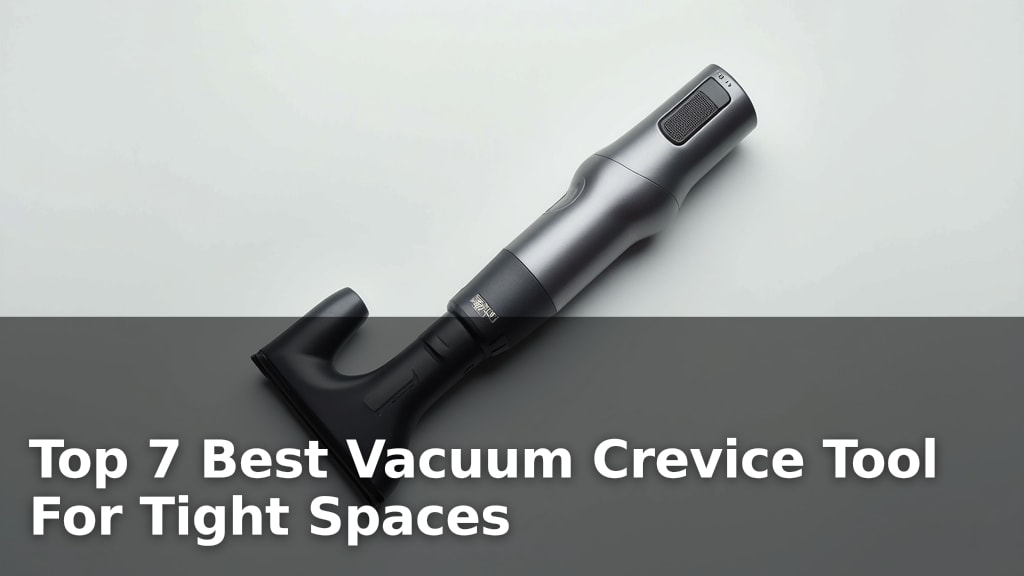
Are your attachments old or damaged? Cracks in a crevice tool or a worn-out upholstery brush can lead to poor suction at the nozzle. Sometimes, just replacing an old attachment can make a big difference in specialized cleaning tasks.
Why Regular Maintenance Pays Off
Think of your vacuum as a small, hardworking engine. Just like a car needs oil changes, your vacuum needs routine care. Neglecting it means it won’t perform its best and might even shorten its lifespan. Cleaning professionals widely recommend a regular cleaning schedule.
Here’s a quick checklist to maintain your vacuum’s suction power:
- Empty the dirt container after every use.
- Check and clean filters monthly.
- Inspect the hose and attachments for clogs quarterly.
- Clear the brush roll of hair and debris regularly.
- Check seals and connections for air leaks semi-annually.
When to Consider a New Vacuum
Sometimes, despite your best efforts, an older vacuum just can’t deliver the suction it once did. Motors wear out, seals degrade beyond repair, and technology advances. If your vacuum is over 7-10 years old and still struggling after thorough maintenance, it might be time for an upgrade.
Modern vacuums often feature more efficient motors and better filtration systems. They can offer improved suction and a quieter operation. While maintenance can extend its life, every appliance has a natural lifespan.
Here’s a simple comparison of common issues and their fixes:
| Issue | Symptom | Solution |
|---|---|---|
| Full Dustbin/Bag | Weak or no suction, vacuum sounds strained. | Empty bin or replace bag. |
| Clogged Filter | Reduced suction, dusty exhaust, hot motor. | Clean or replace filters. |
| Hose/Attachment Blockage | Sudden loss of suction, usually localized. | Inspect and clear clogs. |
| Wrapped Brush Roll | Poor pickup on carpets, brush not spinning. | Remove hair/debris from brush. |
| Air Leaks | Constant weak suction, whistling sounds. | Check all seals, hose, and connections. |
Conclusion
Restoring your vacuum cleaner’s suction power often comes down to simple, regular maintenance. Don’t let a minor issue become a major headache. By regularly emptying the bin, cleaning filters, and checking for clogs, you can keep your vacuum working its best. A little care goes a long way in ensuring your home stays spotless.
Are all vacuum cleaners designed for the same level of suction?
No, vacuum cleaners are designed with varying levels of suction for different purposes. Upright vacuums often have strong suction for carpets, while canister vacuums might offer more versatile suction settings for different surfaces. Handhelds usually have less power but are convenient for quick clean-ups.
Can using the wrong bag or filter reduce suction?
Yes, absolutely. Using non-OEM (original equipment manufacturer) bags or filters that don’t fit perfectly or aren’t designed for your specific model can restrict airflow. This leads to reduced suction and can even put extra strain on the motor.
Does the type of flooring affect how strong a vacuum’s suction feels?
Yes, it does. Suction can feel stronger on hard floors because there’s less resistance. On thick carpets, the vacuum needs to work harder to pull dirt from deep fibers. This can make the suction seem weaker, even if the machine is working at full power.
How often should I clean my vacuum’s hose for blockages?
You don’t necessarily need to clean the hose on a fixed schedule. Instead, check it if you notice a sudden drop in suction, a change in motor sound, or if you accidentally vacuumed something large. A quick inspection can save you a lot of frustration.
Will a vacuum cleaner lose suction permanently over time?
While proper maintenance can significantly prolong its life, a vacuum cleaner may eventually experience a permanent loss of suction. This is usually due to motor wear, degraded internal components, or irreparable air leaks in very old machines. At this point, replacement is often the most practical solution.