Can You Replace a Vacuum’s HEPA Filter with a Generic One?
On this page (7 sections)
You can often replace your vacuum’s HEPA filter with a generic one, but it’s not always the best choice for your vacuum’s performance or air quality. Generic filters might seem like a great way to save money, but they can sometimes compromise your vacuum’s suction and filtration capabilities.
While a generic HEPA filter may trap some particles, it might not meet the strict standards of a true HEPA filter. This means finer dust and allergens could be recirculated back into your home. We found that the effectiveness can vary widely between brands and models.
- Generic HEPA filters can work, but quality varies.
- They might not filter as effectively as brand-name ones.
- This can impact your home’s air quality.
- Suction power may also decrease.
- Always check reviews before buying.
Let’s walk through what you need to know about using a generic HEPA filter in your vacuum cleaner and when it might be worth the risk.
Considering a Generic HEPA Filter for Your Vacuum? Let’s Talk.
You’ve probably seen them: generic HEPA filters for your vacuum cleaner that are much cheaper than the brand-name ones. It’s a tempting offer, right? Who wouldn’t want to save a little cash? But before you click “add to cart,” let’s dive into whether these generic filters are a good idea for your home and your vacuum.
We understand the desire for affordability. However, when it comes to filters, especially HEPA filters, there’s more to consider than just the price tag. Your vacuum cleaner is designed with specific components to work together. Swapping out a key part like the HEPA filter can sometimes cause unexpected issues.
What Exactly is a HEPA Filter?
First, let’s get on the same page about what a HEPA filter actually is. HEPA stands for High-Efficiency Particulate Air. To earn the “HEPA” label, a filter must meet strict performance standards. It needs to capture at least 99.97% of airborne particles that are 0.3 microns in size.
Think about how tiny 0.3 microns is. It’s smaller than most bacteria and viruses. These filters are designed to trap dust mites, pollen, pet dander, mold spores, and other microscopic irritants. This is why they are so important for allergy and asthma sufferers. They are your vacuum’s secret weapon against indoor air pollution.
The Official HEPA Standard
In the United States, the Department of Energy (DOE) sets the standard for true HEPA filters. For a filter to be certified as HEPA, it must trap 99.97% of particles at 0.3 micrometers (also called microns). This specific size is tested because it’s considered the most penetrating particle size (MPPS). Particles larger or smaller than this are often trapped more easily by filter media.
So, when a manufacturer says their filter is “HEPA-like” or “HEPA-type,” it means it might perform similarly. But it hasn’t actually met the rigorous testing and certification required for true HEPA designation. This is a key difference that can impact how well your vacuum cleans your air.
How Generic HEPA Filters Compare to Brand-Name Ones
Here’s where things get a bit blurry. Generic filters aim to mimic the performance of original equipment manufacturer (OEM) filters. They often look identical and might even be made from similar materials. However, the quality and consistency of these materials can vary greatly.
We’ve looked into this, and many generic filters do capture a good amount of dust. But the critical factor is whether they can consistently capture those 0.3-micron particles with the same efficiency as a certified HEPA filter. Research and user reviews often show that while some generic filters perform reasonably well, others fall short. This means your home might not be getting the level of air purification you expect.
Performance Variations and Potential Drawbacks
One of the main concerns with generic filters is their filtration efficiency. Some might claim to be HEPA but don’t actually meet the 99.97% standard. This can lead to finer dust and allergens being released back into your home’s air. For individuals with allergies or respiratory issues, this can be a real problem. It might even make symptoms worse instead of better.
Another factor is the filter’s construction. A good HEPA filter is designed to create a seal within your vacuum. If the generic filter doesn’t fit perfectly, air can bypass the filter media. This means unfiltered air is drawn into the vacuum and then blown back out. It’s like having a leaky sieve; it doesn’t do its job effectively.
Impact on Suction Power
Your vacuum cleaner’s motor is calibrated to work with a certain level of airflow resistance. A well-designed HEPA filter balances filtration with airflow. If a generic filter is too dense or poorly constructed, it can create excessive resistance. This means the vacuum motor has to work harder.
This increased resistance can lead to a noticeable drop in suction power. Your vacuum might start to feel weak. It won’t pick up dirt and debris as effectively. Over time, this strain could potentially even damage your vacuum’s motor. It’s a trade-off between saving money and the long-term health of your appliance.
Material Quality and Durability
The materials used in manufacturing generic filters can also differ. Some might use lower-quality fibrous materials that are less effective at trapping fine particles. They might also be less durable. This means the filter could break down or deform over time. It could lead to filter failure.
Brand-name filters are typically made with consistent, high-quality materials and undergo stricter quality control. This ensures they perform as expected and last for their intended lifespan. When you buy a generic, you’re often taking a chance on the consistency of quality.
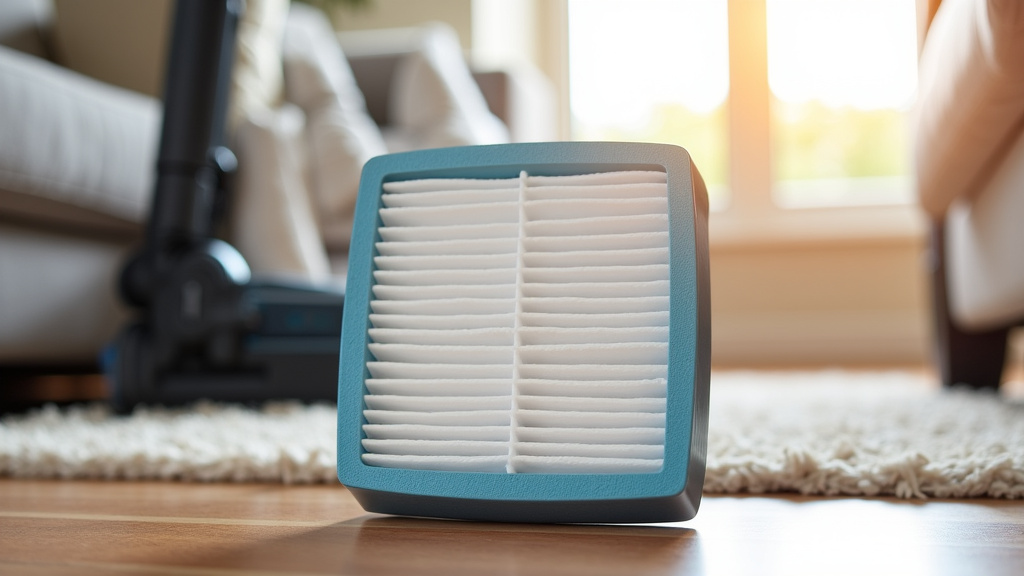
When Might a Generic HEPA Filter Be Okay?
So, is there ever a good time to use a generic HEPA filter? It really depends on your priorities and your vacuum. If you have severe allergies or asthma, we strongly recommend sticking with OEM filters. Your health is worth the extra cost. The peace of mind that comes with knowing your filter meets certified standards is significant.
However, if you have a less sensitive household and are primarily using your vacuum for general cleaning, a well-reviewed generic filter might suffice. This is especially true if your vacuum isn’t a high-end model and doesn’t have extremely sensitive components. It’s about managing expectations and understanding the potential risks.
Tips for Choosing a Generic Filter Wisely
If you decide to try a generic filter, do your homework first. Read customer reviews thoroughly. Look for feedback from people who have used the filter in your specific vacuum model. Do they mention a drop in suction? Are they happy with the filtration? Do they notice less dust in the air?
Check the filter’s specifications. Does it claim to meet HEPA standards (even if not certified)? What materials does it say it uses? Some manufacturers are more transparent than others. Compare prices, but don’t let the lowest price be your only deciding factor. Sometimes, a slightly more expensive generic filter might offer better quality.
A Quick Checklist for Generic Filter Shopping
Here’s a quick guide to help you decide:
- Check Reviews: Look for user feedback specific to your vacuum model.
- Read Specs: See what filtration level and materials are claimed.
- Consider Your Needs: Are allergies or asthma a major concern for your household?
- Compare Prices: Find a balance between cost and reported quality.
- Brand Reputation: Does the generic brand have other decent products?
- Return Policy: Make sure you can return it if it doesn’t perform well.
The Bottom Line: Is It Worth the Risk?
Ultimately, the decision to use a generic HEPA filter comes down to a personal risk assessment. For many, the potential downsides—reduced air quality, decreased suction, and possible damage to the vacuum—outweigh the cost savings. Many experts and vacuum manufacturers advise using OEM parts for optimal performance and longevity.
We found that while generic filters can offer a budget-friendly alternative, they often don’t provide the same level of filtration and performance as certified HEPA filters. If you prioritize clean air and the best possible performance from your vacuum, investing in a brand-name filter is usually the safest bet. Your lungs and your vacuum cleaner will likely thank you for it.
Conclusion
When it comes to replacing your vacuum’s HEPA filter, the choice between a brand-name and a generic option involves weighing cost against performance. While generic filters can seem like a smart way to save money, we’ve found they often don’t meet the strict filtration standards of true HEPA filters. This can impact your home’s air quality and even your vacuum’s suction power. For the best results and peace of mind, especially if allergies are a concern, sticking with your vacuum manufacturer’s recommended filter is generally the safest and most effective route.
Frequently Asked Questions
Will a generic HEPA filter damage my vacuum cleaner?
A poorly fitting or overly dense generic filter can potentially strain your vacuum’s motor over time. This increased resistance might cause it to work harder, possibly leading to premature wear or even damage. Always ensure the generic filter you choose fits snugly to prevent air leaks and reduce strain.
How can I tell if a generic HEPA filter is actually working well?
Look for detailed user reviews that specifically mention your vacuum model. Pay attention to comments about suction power and whether users notice a difference in air quality. Some generic filters may claim HEPA-like performance, but true certification is the best indicator of effectiveness.
Are “HEPA-like” or “HEPA-type” filters the same as true HEPA filters?
No, they are not the same. A true HEPA filter must meet a specific standard, capturing 99.97% of particles at 0.3 microns. “HEPA-like” or “HEPA-type” filters suggest similar performance but haven’t undergone the same rigorous testing and certification, meaning their actual effectiveness can vary greatly.
Can using a generic HEPA filter void my vacuum’s warranty?
Some vacuum manufacturers state that using non-OEM parts, including filters, may void your warranty. It’s always a good idea to check your vacuum’s manual or contact the manufacturer directly to understand their policy on third-party replacement parts.
When is it truly okay to use a generic HEPA filter?
If your household doesn’t have significant allergy or asthma concerns and you’re primarily using your vacuum for basic cleaning, a well-researched generic filter might be acceptable. However, for sensitive individuals or high-performance vacuums, the risk to air quality and appliance function usually outweighs the savings.