
What Are The Parts Of A Vacuum Cleaner?
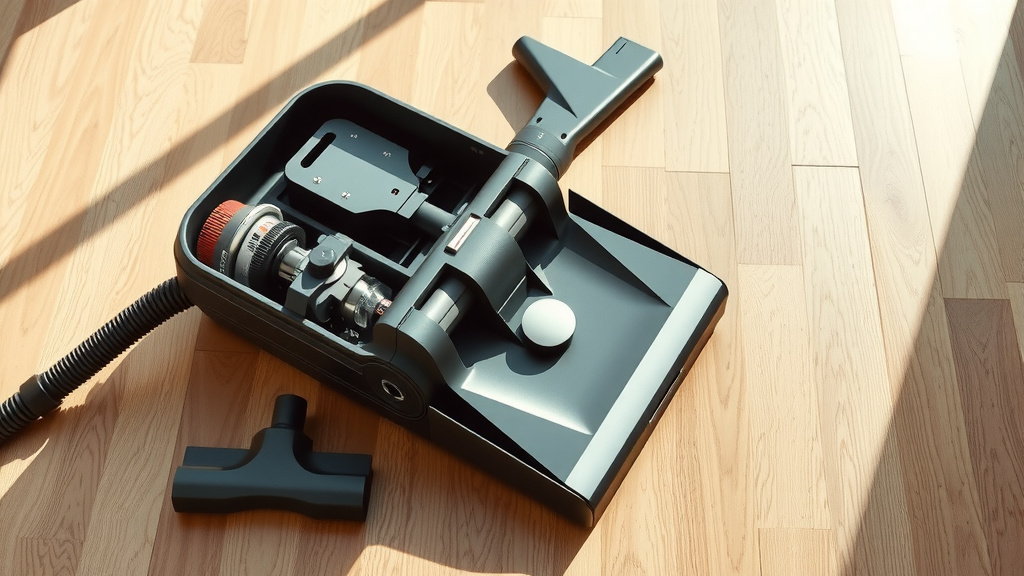
The essential components of a vacuum cleaner include the powerful motor, a fan that creates airflow for suction, a filtration system, a container for dust and debris, a cleaning nozzle, and often a rotating brush roll.
Understanding what makes up your vacuum cleaner helps you maintain it better, pick the right one for your home, and even fix small problems when they pop up.
- Your vacuum cleaner relies on a strong motor and fan to create powerful suction.
- Dirt is captured in either a dust bag or a bagless canister, then purified by filters.
- The nozzle and brush roll directly tackle dirt and debris on your floors.
- Power cords, switches, and the outer housing complete the functional design.
- Knowing these parts helps you maintain your vacuum and pick the best one for your home.
What Are The Parts Of A Vacuum Cleaner?
A vacuum cleaner is a simple but powerful machine designed to clean your home by sucking up dirt and debris.
Its main parts work together to create suction, collect dust, and clean various surfaces efficiently.
Why Understanding Vacuum Parts Matters
Ever wonder why your vacuum suddenly stops sucking? Or why one model cleans carpets better than another?
Knowing the basic parts of your vacuum can make you a smarter buyer and a better problem-solver.
We found that a little knowledge goes a long way in keeping your cleaning tool working its best.
The Heart of the Machine: Motor and Suction
Think of your vacuum cleaner like a car; the motor is its engine. This is where all the power starts.
Without a working motor, your vacuum is just a fancy paperweight. It’s a key part of any vacuum.
The Powerful Motor
The motor is an electric engine that spins at very high speeds. This spinning action is what makes everything else possible.
Most vacuums use a universal motor, designed to provide consistent power (National Electrical Manufacturers Association).
Fan and Airflow Mechanics
Connected to the motor is a fan. When the motor spins, it makes the fan blades turn very quickly.
This creates a difference in air pressure. Air inside the vacuum gets pushed out, creating lower pressure.
Outside air, along with dirt, rushes in to fill that space. That rush of air is your vacuum’s mighty suction.
Collecting the Dirt: Filtration and Dust Storage
Once the dirt is sucked up, it needs a place to go, right? And we certainly don’t want it blowing back into your clean air.
This is where the dust storage and filtration systems play their very important roles.
Dust Bag vs. Bagless Canister
Some vacuums use a disposable dust bag. The dirt goes in, the air passes through, and you throw the bag away when full.
Other models have a reusable canister. You empty the dirt directly into the trash, which can be convenient.
Research shows each has its own fans, often depending on personal preference and allergy concerns (Journal of Allergy and Clinical Immunology).
The Filtration System
Before the air exits the vacuum, it passes through one or more filters. These filters trap tiny dust particles and allergens.
High-Efficiency Particulate Air (HEPA) filters are common and can trap very small particles, helping to improve indoor air quality.
Many experts say good filtration is vital, especially if you have pets or allergies.
The Cleaning Path: Nozzle and Brush Roll
These are the parts that directly touch your floors and furniture. They are the front-line workers in your cleaning army.
Different surfaces need different approaches, and these parts are designed to meet those needs.
Different Nozzles for Different Jobs
The nozzle is the opening at the end of the vacuum that connects to the floor or cleaning surface.
Some nozzles are wide for open areas, while others are narrow for tight spots. You might have seen different nozzle shapes.
The Rotating Brush Roll
Inside many floor nozzles, especially on upright or powerhead vacuums, is a brush roll. It’s a spinning cylinder with bristles.
This brush roll helps to agitate carpets, loosening dirt and pet hair so the suction can pull it up easily.
For hard floors, some models allow you to turn the brush roll off to avoid scratching delicate surfaces.
Power and Control: Cord, Switches, and Controls
How do you turn it on? How does it get electricity? These parts are about getting power to the machine and telling it what to do.
They might seem simple, but they are crucial for daily use.
The Power Cord
Most vacuums still get their power from a wall outlet through a power cord. Cordless models use batteries, a different power source.
A long cord can be convenient, letting you clean larger areas without constantly finding new outlets.
On/Off and Suction Controls
Every vacuum has an on/off switch. Some vacuums also have controls to adjust the suction power.
This is handy for cleaning delicate items like curtains or for switching between thick carpets and bare floors.
Many modern vacuums even have indicators, like a light, to tell you when the bag is full or the filter needs cleaning.
Moving Around: Wheels and Housing
Imagine trying to drag your vacuum without wheels! These parts make your cleaning chores much easier to handle.
They are about making the machine portable and durable.
Wheels and Maneuverability
Wheels allow your vacuum to glide across floors with minimal effort. They come in various sizes and materials.
Good wheels mean you can move around furniture and obstacles without strain.
The Outer Shell or Housing
This is the main body of the vacuum cleaner. It protects all the internal components from damage.
The housing can be made of plastic or metal and dictates the overall shape and style of your vacuum.
Essential Attachments You Should Know
Beyond the main body, vacuums often come with a range of attachments. These are like specialized tools for specific cleaning tasks.
Don’t overlook them; they can make a huge difference in cleaning corners or upholstery.
- Crevice Tool: Long and narrow for tight spaces, like between couch cushions or along baseboards.
- Dusting Brush: Soft bristles for delicate surfaces like lampshades or bookshelves.
- Upholstery Tool: Often has a wide, flat head with lint strips for furniture and stairs.
- Extension Wand: Lengthens your reach for high places or under furniture.
- Pet Hair Tool: Specialized brush heads designed to pick up stubborn pet hair.
Choosing Your Vacuum: Key Components to Consider
When you look for a new vacuum, knowing these parts helps you choose wisely. Think about your home and your cleaning needs.
Here’s a quick overview of what to consider:
| Component | What It Does | Consider For… |
|---|---|---|
| Motor Power | Generates suction | Deep cleaning, pet hair |
| Filtration System | Traps dust, allergens | Allergies, asthma sufferers |
| Dust Collection | Bag or Bagless | Convenience, hygiene preference |
| Brush Roll | Agitates carpets | Carpets, pet hair (with on/off for hard floors) |
| Attachments | Specialized cleaning | Furniture, stairs, tight corners |
Quick Checklist for Your Vacuum Choice
Ready to make a decision? Here’s a simple checklist to guide you:
- Is the motor strong enough for your cleaning needs?
- Does it have a good filtration system, like a HEPA filter?
- Do you prefer the convenience of bagless or the allergy-friendliness of bagged?
- Are there enough attachments for all your surfaces?
- Is it easy to maneuver and comfortable to use?
Conclusion
From the hum of its motor to the bristles of its brush roll, every part of a vacuum cleaner plays a key role in keeping your home tidy.
By understanding these components, you not only gain a deeper appreciation for this common household tool but also become better equipped to make smart choices when buying or maintaining one.
Think of your vacuum not just as an appliance, but as a system of working parts, all designed to make your life a little cleaner and easier.
What is the main function of a vacuum cleaner’s motor?
The motor’s primary function is to generate the power needed to spin the fan, which in turn creates the suction essential for picking up dirt and debris.
How do HEPA filters improve air quality?
HEPA filters are designed to capture 99.97% of airborne particles as small as 0.3 microns, including dust mites, pet dander, and pollen, significantly reducing allergens in the air that exits the vacuum.
What is the difference between bagged and bagless vacuums?
Bagged vacuums collect dirt in disposable bags that are sealed and thrown away, which can be beneficial for allergy sufferers. Bagless vacuums collect dirt in a reusable canister that you empty directly, offering convenience and no ongoing bag costs.
Why do some vacuum nozzles have a brush roll that can be turned off?
The brush roll agitates carpets to loosen dirt. It can be turned off to protect delicate hard floors from scratches and to prevent scattering debris on hard surfaces, making the vacuum more versatile for different floor types.
What are common vacuum cleaner attachments used for?
Common attachments like the crevice tool, dusting brush, and upholstery tool extend the vacuum’s reach and specialize its cleaning ability for specific tasks, such as cleaning tight corners, delicate surfaces, or furniture, which the main nozzle cannot reach effectively.
