How To Clean A Bagless Vacuum Cleaner?
To clean a bagless vacuum cleaner, regularly empty the dust bin, wash filters if they are rinseable, and clear any brush roll tangles.
You should also check the hose for blockages and wipe down the exterior surfaces for optimal performance and hygiene.
TL;DR: Keeping your bagless vacuum clean is simple but important. Here’s the quick rundown:
- Empty the dust bin often, ideally after each use.
- Clean or replace filters as directed by your vacuum’s manual.
- Remove hair and debris from the brush roll to maintain suction.
- Check hoses for clogs and wipe down the exterior regularly.
- Regular cleaning prevents odors, improves suction, and extends your vacuum’s life.
Do you ever notice your trusty bagless vacuum isn’t quite sucking up dirt like it used to? Or maybe there’s a faint, questionable smell wafting from it? Don’t worry, you’re not alone. Bagless vacuums are amazing for convenience, saving you from buying bags, but they do need a little regular TLC. Compare bagged and bagless value before choosing a vacuum style.
Just like giving your car an oil change, a little maintenance goes a long way. Keeping your vacuum clean isn’t just about hygiene; it’s about making sure it performs its best and lasts longer. A neglected vacuum can lose suction, spread dust, and even smell bad. If odors persist, see our steps for deodorizing a vacuum.
How To Clean A Bagless Vacuum Cleaner?
bagless vacuum basics involves regular emptying of the dust cup, washing or replacing filters, and removing debris from the brush roll.
Consistent cleaning maintains suction power, prevents odors, and extends the life of your appliance.
Safety First: Unplugging Your Vacuum
Before you even think about cleaning, the first and most important step is to unplug your vacuum cleaner from the wall. This simple action prevents accidental starts and keeps you safe. Think of it as hitting the pause button before starting any home project.
Emptying The Dust Bin: A Quick Fix
This is probably the most obvious step, right? But how often do you truly empty it? Many experts say you should empty the dust bin after every use. Why? Because a full bin reduces suction power and can lead to dust leaking back into your home. You’ll likely see a “Max Fill” line; don’t let dirt go past it.
Simply unclip the dust cup, hold it over a trash can, and press the release button. Give it a gentle shake to free any stuck debris. Some people even like to tap the bottom to help dislodge stubborn bits.
Washing The Dust Bin: Deeper Clean
Sometimes, just emptying isn’t enough. Over time, a film of fine dust can build up inside the bin, making it look cloudy and potentially contributing to odors. You can often wash the dust bin with warm, soapy water. Rinse it thoroughly and ensure it’s completely dry before reattaching it. We found that air drying for at least 24 hours often works best to prevent moisture issues.
Cleaning The Filters: The Lungs Of Your Vacuum
Your vacuum’s filters are like its lungs; they trap fine dust and allergens. There are typically two types: pre-motor filters and post-motor (HEPA) filters. Knowing which type you have is key to proper cleaning.
Rinseable Filters: A Refreshing Wash
bagged or bagless vacuums that are marked as “rinseable.” If yours is, remove it from the vacuum and rinse it under cold running water until the water runs clear. Gently squeeze out excess water. It’s important to let it air dry completely, sometimes for 24-48 hours, before putting it back. Putting a damp filter back can damage your vacuum and lead to mold.
Non-Rinseable (HEPA) Filters: A Gentle Tap
Some filters, especially HEPA filters, are not designed to be washed. Trying to wash them can damage the filter material and reduce their effectiveness. For these, gently tap them against the inside of a trash can to dislodge trapped dust and debris. We found that wearing a mask during this step is a good idea to avoid inhaling the released dust.
When To Replace Filters
Even rinseable filters don’t last forever. Over time, they degrade and lose their ability to trap particles. Many manufacturers suggest replacing filters every 6-12 months, depending on usage. Check your vacuum’s manual for specific recommendations. A good rule of thumb: if a filter looks discolored or is no longer clearing up after cleaning, it’s time for a new one.
Untangling The Brush Roll: Freeing The Spin
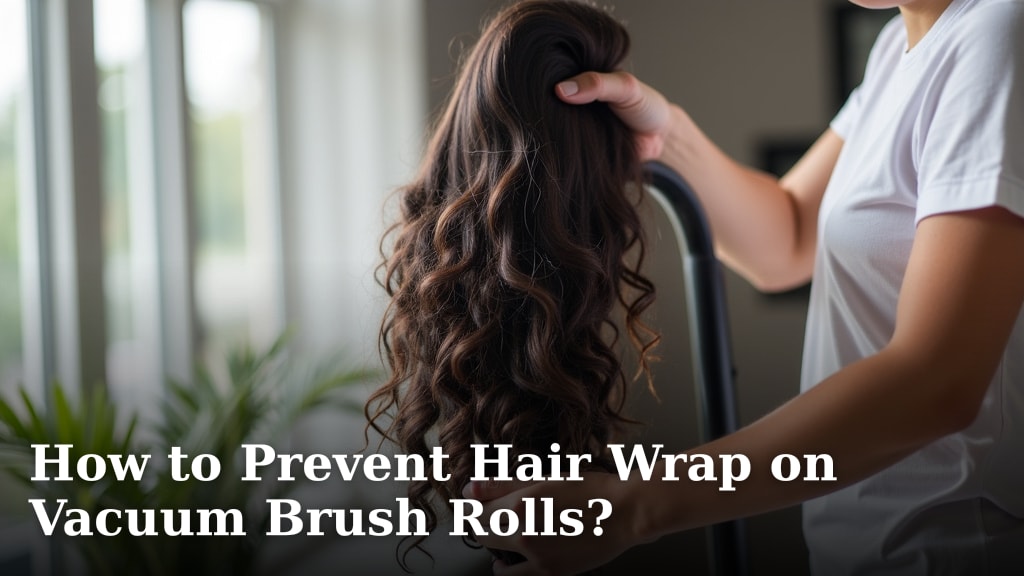
The brush roll (or beater bar) is what agitates carpets to lift dirt. It’s also a magnet for hair, threads, and pet fur. When tangled, it can’t spin effectively, reducing cleaning power and putting strain on the motor. So, what’s the fix?
- Turn the vacuum upside down.
- You might need to use a flathead screwdriver or coin to open the brush roll cover.
- Using scissors, carefully cut through any wrapped hair or strings. Be careful not to cut the bristles or the belt.
- Pull out all the cut debris. A seam ripper can be surprisingly helpful for this task.
- Spin the brush roll by hand to make sure it moves freely before reassembling.
Clearing Hose Blockages: Restoring The Flow
Loss of suction can often be traced back to a blockage in the hose. It’s like a traffic jam for dirt. Research often connects sudden suction loss with hose obstructions (Consumer Reports). To check:
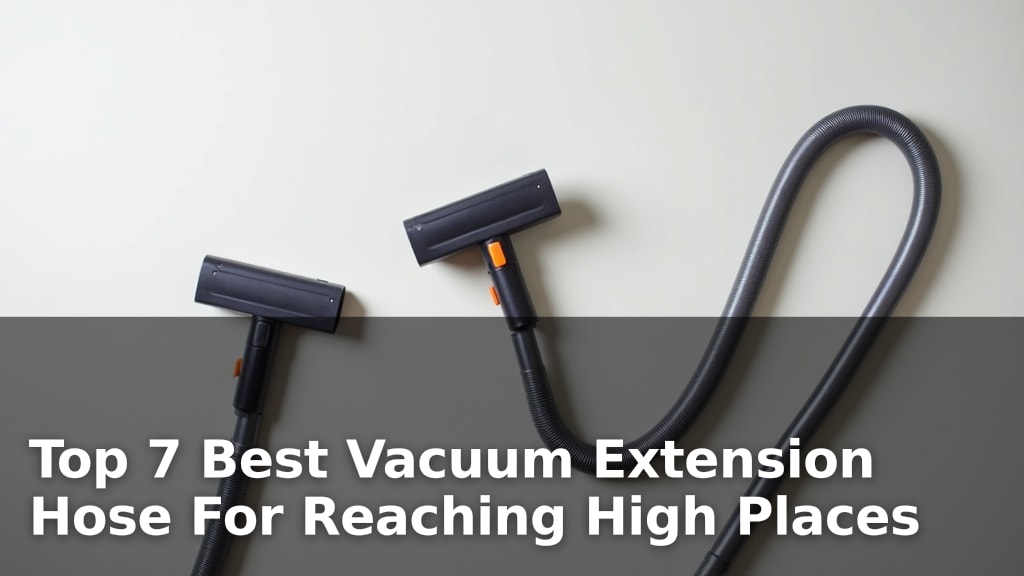
Carefully remove the hose from both ends of the vacuum. Look through it. If you see a blockage, use a broom handle or a long, blunt object to gently push it through. Never use anything sharp that could puncture the hose. Also, avoid using your hand unless you can clearly see the object and it is easily reachable.
Wiping Down The Exterior: Sparkle And Shine
While not directly affecting performance, a clean exterior makes your vacuum feel new. Use a damp cloth to wipe down the outer casing. Don’t use harsh chemicals, as they can damage the plastic. A quick wipe removes dust and grime, making your vacuum look ready for its next job.
Tools For The Job: Your Cleaning Arsenal
Having the right tools makes upright bagless vacuum picks much easier. Here’s a quick checklist:
- Scissors (for hair on brush roll)
- Flathead screwdriver or coin (for brush roll cover)
- Small brush or old toothbrush (for stubborn dust)
- Trash can (for emptying dust and debris)
- Warm, soapy water (for washables)
- Clean cloth (for wiping surfaces)
How Often Should You Clean?
The frequency of cleaning depends on how often you use your vacuum and what you’re cleaning up. A house with pets or heavy foot traffic will need more frequent attention. Here’s a general guideline:
| Component | Cleaning Frequency | Why It Matters |
|---|---|---|
| Dust Bin | After every use | Prevents suction loss and odors. |
| Rinseable Filters | Monthly or as needed | Maintains air quality and motor protection. |
| Non-Rinseable Filters | Monthly (tap clean) | Traps fine particles and prolongs life. |
| Brush Roll | Monthly or as needed | Ensures effective carpet agitation. |
| Hose & Attachments | Quarterly or if suction drops | Prevents blockages and restores airflow. |
| Exterior | Monthly | Keeps the unit looking good. |
Many experts say that regular, lighter cleaning is far better than infrequent, deep cleaning. Think of it as consistent small effort preventing bigger problems.
Recognizing When Your Vacuum Needs Cleaning
How do you know it’s time for a clean? Your vacuum will tell you! Signs include reduced suction power, a bad smell, visible dirt on the exterior, or the brush roll not spinning properly. If you notice any of these, it’s a clear signal to grab your cleaning supplies.
Conclusion
Cleaning your bagless vacuum cleaner might feel like an extra chore, but it’s genuinely worth the effort. It’s the secret to keeping your floors spotless and your vacuum running like new. By regularly emptying the bin, tending to those filters, and freeing the brush roll from tangled hair, you’re not just cleaning a machine; you’re investing in your home’s cleanliness and the longevity of your appliance. A happy vacuum means a happy home, doesn’t it?
How do I know if my vacuum filter is rinseable?
You can usually tell if your vacuum filter is rinseable by checking your vacuum cleaner’s user manual. Many rinseable filters will also have a “washable” or “rinse” symbol directly on them. If there’s no clear indication, it’s safer to assume it’s not rinseable and just tap it clean.
Can I put my vacuum parts in the dishwasher?
No, it is generally not recommended to put vacuum parts in the dishwasher. The high heat and harsh detergents can damage plastic components, seals, and even some filter materials, leading to malfunction or reduced performance. Always stick to hand washing with mild soap and water where advised.
How often should I replace my vacuum’s HEPA filter?
HEPA filters typically need to be replaced every 6 to 12 months, depending on your vacuum’s specific model and how frequently you use it. If you have pets or allergies, you might need to replace it more often. Always refer to your vacuum’s manual for the manufacturer’s recommendations.
What should I do if my vacuum cleaner still smells after cleaning?
If your vacuum still has an odor after cleaning, check for deeper issues. Ensure all washable parts are completely dry before reassembly to prevent mold. Also, inspect the hose and brush roll for any lodged, decaying organic matter. Sometimes, a charcoal or scented filter can help, or it might be time for a new filter altogether.
My vacuum brush roll isn’t spinning. What’s wrong?
If your brush roll isn’t spinning, the most common culprits are tangled hair or debris wrapping around it, preventing movement. Check for blockages, a worn or broken belt, or a faulty motor. After unplugging the vacuum, carefully remove any hair or string. If the problem persists after clearing tangles, a professional repair might be needed.