How to Remove Hair from a Vacuum Cleaner Brush
To clean a vacuum cleaner brush, first unplug the vacuum for safety. Then, remove the brush roll and use scissors or a seam ripper to carefully cut away tangled hair, strings, and debris.
After cutting, gently comb out any remaining small fibers, wipe down the bristles, and ensure the brush is completely dry before reassembling it into your vacuum.
- Always unplug your vacuum before starting any cleaning.
- Carefully remove the brush roll according to your vacuum’s manual.
- Use small scissors or a seam ripper to cut away tangled hair and strings.
- Comb through the bristles to remove finer debris and dust.
- Wipe the brush and its housing clean, allowing it to dry fully.
- Reinsert the clean brush roll and test your vacuum’s improved performance.
How To Clean Vacuum Cleaner Brush?
Cleaning your vacuum cleaner brush simply involves removing it, carefully cutting away tangled hair and debris, then wiping it down before putting it back. This simple routine helps maintain your vacuum’s cleaning power.
Ever notice your vacuum isn’t picking up like it used to? Or maybe it leaves little trails of dust? The culprit is often a dirty, tangled brush roll. Don’t worry, giving it a good clean is easier than you think.
Why Your Vacuum Brush Needs Regular Cleaning
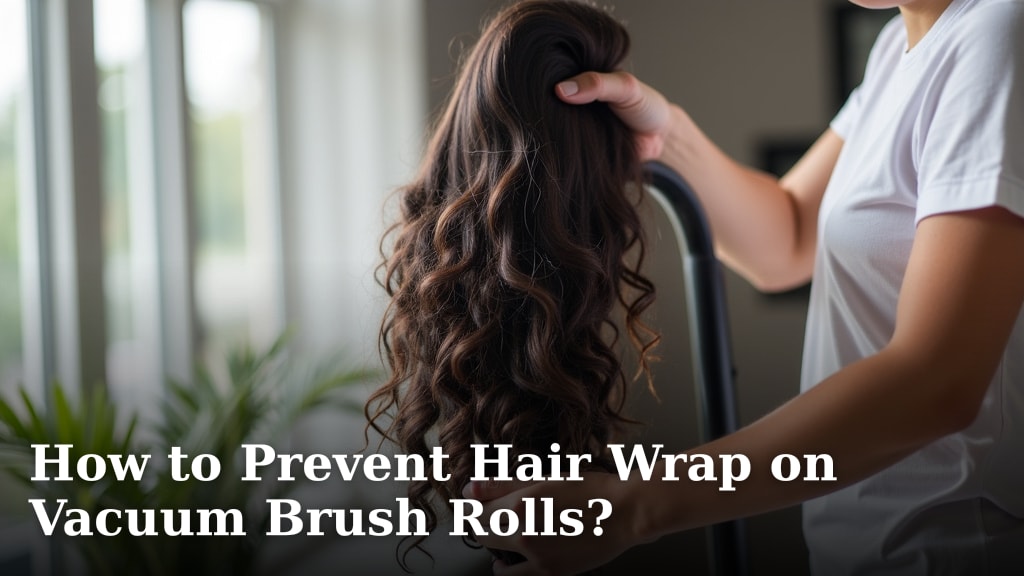
Think of your vacuum brush as the heart of its cleaning action. Over time, it collects a surprising amount of hair, string, and even small bits of carpet fiber. This buildup significantly reduces suction power and can strain the motor.
A neglected brush also becomes a hygiene concern. It can harbor odors and even spread dust, making your cleaning efforts less effective. Keeping it clean helps your home feel truly fresh.
Gathering Your Cleaning Toolkit
Before you begin, grab a few household items. You’ll need a pair of small, sharp scissors, perhaps a seam ripper for stubborn tangles, and maybe a small comb. Some people find a pair of work gloves helpful to keep their hands clean. A damp cloth and a soft brush can also be very useful for wiping it down (research suggests this simple approach is often all you need).
Safety First: Always Unplug!
This might sound obvious, but it’s the most important step. Always unplug your vacuum from the wall before you touch the brush roll. This prevents accidental starts and keeps you safe from moving parts (many guidelines emphasize electrical safety first, like those from consumer safety organizations).
Removing the Brush Roll
Most vacuum cleaners allow you to easily remove the brush roll. This often involves flipping your vacuum over and undoing a few latches or screws on the bottom plate. If the belt sticks while removing the brush, see how to remove a stuck vacuum belt. Consult your owner’s manual if you’re unsure; each model can be a little different. We found that most common upright and stick vacuums offer a tool-free or simple tool access to the brush.
Cutting Away Tangles
Now for the satisfying part! Use your scissors or seam ripper to carefully cut through the hair and threads wrapped around the brush. For a stick model, see how to remove a hair tangle. Be gentle and work slowly to avoid damaging the bristles. A seam ripper is especially good for getting under tight knots without cutting the bristles themselves. Many experts say a few careful snips are better than trying to pull everything out at once.
Combing Through Debris
After cutting the larger tangles, use a small comb or even your fingers to pull out any remaining smaller debris. For an upright model, see how to remove hair from the brush. Dust bunnies and fine lint can cling to the bristles, making them less effective. This step helps to restore the brush’s texture and lift.
Cleaning the Bristles Themselves
Sometimes, the bristles themselves get gummy with fine dust and dirt. You can gently wipe them with a slightly damp cloth. Avoid getting too much water into the brush’s core, especially if it contains metal parts or bearings. We found that a light wipe is usually enough to freshen them up.
Wiping Down the Brush Housing
While the brush roll is out, take a moment to wipe down the compartment it sits in. Dust and dirt often accumulate here too. A clean housing ensures that when you put the brush back, it’s not immediately picking up old grime.
Drying Thoroughly
Before reassembling, make sure the brush roll and its housing are completely dry. Moisture can lead to mildew or even damage electrical components if present (research often connects moisture with short-circuits in electronics). Let it air dry for a bit, or use a dry cloth to speed things up.
Reassembling Your Vacuum
Once everything is clean and dry, simply reverse the steps to put your brush roll back into place. Ensure it clicks securely into its latches or that any screws are tightened properly. You should hear or feel it fit snugly. Many people report an immediate improvement in vacuum sound and feel after this step.
When to Clean Your Vacuum Brush
How often should you perform this routine? It depends on your household. If you have pets or long-haired individuals, you might need to clean your brush roll every few weeks. For less frequent use or homes without pets, once every 1-2 months might be enough. Pay attention to signs like reduced suction or visible tangles.
| Usage Level | Recommended Cleaning Frequency |
|---|---|
| Daily vacuuming, pets | Every 2-3 weeks |
| Weekly vacuuming, no pets | Every 1-2 months |
| Light use, minimal debris | Every 3 months |
Preventative Measures for a Cleaner Brush
Want to reduce how often you need to clean? A few simple habits help. Try to pick up larger debris like paper clips or coins by hand before vacuuming. For homes with long hair, a quick sweep with a broom on tiled areas can prevent some tangles. Regular, quick checks of your brush roll also mean you catch tangles before they become big problems.
Checklist for a Sparkling Clean Brush
- Unplug the vacuum
- Remove the brush roll
- Snip away tangled hair and string
- Comb out smaller debris
- Wipe bristles with a damp cloth
- Clean the brush housing
- Dry all parts completely
- Reassemble carefully
When to Consider Professional Help or Replacement
Sometimes, a brush roll might be beyond a simple clean. If bristles are permanently matted, heavily worn down, or if the brush makes grinding noises even after cleaning, it might be time for a replacement. Many vacuum manufacturers offer replacement parts, or a local repair shop can offer advice. We found that brushes generally last for several years with proper care, but eventually, wear and tear will take their toll.
Conclusion
Cleaning your vacuum cleaner brush is a straightforward task that offers huge rewards. It keeps your vacuum running efficiently, extends its lifespan, and ensures a cleaner home environment. By taking a few moments every now and then, you’re not just cleaning a tool; you’re maintaining a powerful ally in your home upkeep.
How often should I clean my vacuum cleaner brush if I have pets?
If you have furry friends, we recommend cleaning your vacuum cleaner brush every 2 to 3 weeks. Pet hair can quickly accumulate and reduce your vacuum’s effectiveness, so more frequent checks are a good idea.
Can I wash my vacuum cleaner brush with water?
While you can gently wipe bristles with a damp cloth, we advise against submerging the entire brush roll in water. Many brush rolls contain metal components or bearings that can rust or be damaged by excessive moisture, affecting its smooth operation.
What if I accidentally cut the bristles while cleaning?
Don’t worry too much! A few snipped bristles generally won’t impact your vacuum’s performance significantly. However, try to be careful. If you find yourself frequently cutting bristles or if large sections are damaged, it might be a sign it’s time to consider a replacement brush roll.
My vacuum brush still makes a strange noise after cleaning. What’s wrong?
If noises persist after a thorough cleaning, there might be a deeper issue. It could be worn bearings, a bent shaft, or even something lodged deep inside the brush mechanism. We suggest consulting your vacuum’s manual or taking it to a qualified service technician for a check-up.
Does a dirty vacuum brush affect air quality in my home?
Yes, it certainly can. A brush roll caked with old dust, hair, and debris can not only spread these particles back into the air but can also make your vacuum’s filter work harder, potentially releasing more allergens if the filter becomes overwhelmed. A clean brush contributes to better overall air quality.