How to Prevent Hair Wrap on Vacuum Brush Rolls?
On this page (6 sections)
To prevent hair wrap on your vacuum brush roll, the best method is regular cleaning and maintenance. You should aim to clean it weekly, especially if you have pets or long hair in your household. This helps to avoid buildup that can damage your vacuum.
We know how frustrating it is when hair tangles around your vacuum’s brush roll. It makes your vacuum less effective and can even cause it to overheat. Many homeowners find that a simple, consistent routine is the key to a longer-lasting vacuum.
- Clean the brush roll weekly.
- Remove hair and debris by hand or with scissors.
- Check for tangled strings or threads too.
- Consider a vacuum designed for pet hair.
Let’s walk through some simple steps you can take to keep your vacuum’s brush roll free of hair and running smoothly.
You’ve probably experienced it. That moment when your vacuum cleaner starts making a weird noise, or worse, stops cleaning effectively. Chances are, hair and other stringy bits have wound themselves around the brush roll. It’s a common problem, especially in homes with pets or long-haired family members. But don’t worry, keeping that brush roll clear is easier than you think!
Keeping Your Vacuum’s Brush Roll Hair-Free
Regular cleaning is your best defense against a hair-tangled brush roll. This simple habit prevents buildup that can harm your vacuum. Let’s get into how you can tackle this common issue head-on.
Understanding the Problem: Why Hair Wraps
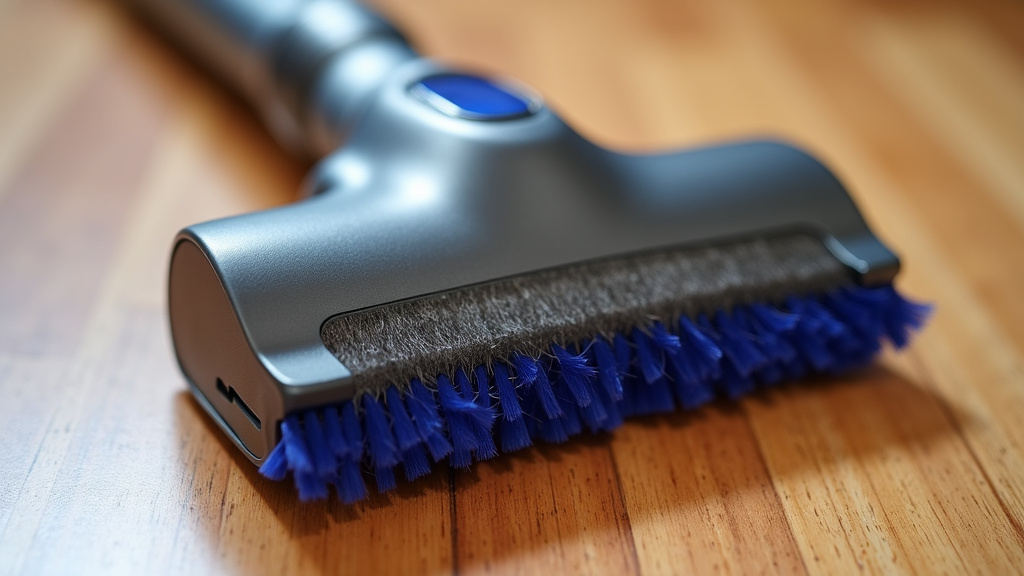
Your vacuum’s brush roll is designed to agitate carpets and sweep up debris. Its bristles grab onto dirt, dust, and yes, hair. As it spins, longer strands of hair can easily get caught. They wrap around the bristles and the central shaft. Over time, this builds up into a dense mat. This mat makes the brush roll less effective. It can also put a strain on the vacuum’s motor.
Think of it like a hairbrush that hasn’t been cleaned in a while. The more you use it, the harder it is to get through your hair. A vacuum brush roll works similarly. The accumulated hair prevents the bristles from doing their job properly. This means dirt and debris get left behind on your floors.
The Weekly Brush Roll Check: Your New Best Friend
Making a quick check of your brush roll a part of your weekly cleaning routine is key. Most vacuums make this fairly accessible. You’ll want to look for any visible hair, threads, or strings wrapped around the bristles. This simple act can save you a lot of future headaches.
Set a reminder on your phone or calendar. Maybe it’s part of your Saturday cleaning spree. Or perhaps it’s a quick 5-minute task after you finish vacuuming the main areas of your home. Consistency is more important than the specific day or time.
Where to Look for Hair Buildup
Focus your attention on the entire length of the brush roll. For a tool-free approach, see our guide to cleaning a roller brush without tools. Pay special attention to the ends. Hair often collects and bunches up near the sides where the brush roll meets the vacuum housing. These areas can be trickier to reach and clean, making them prime spots for buildup.
Don’t forget to check the little nooks and crannies. Sometimes small pieces of debris can get lodged in there. These can contribute to the overall entanglement problem. A good flashlight can be very helpful here.
Tools You’ll Need for a Clean Brush Roll
You don’t need a lot of fancy equipment. Basic household items are usually enough. Having the right tools makes the job much quicker and easier. You’ll feel like a vacuum surgeon!
Your Essential Brush Roll Cleaning Kit
- Scissors: Small, sharp scissors are your primary weapon. Craft scissors or even small kitchen shears work well.
- Seam Ripper: These are fantastic for getting into tight spots and cutting stubborn threads. They have a small, curved blade.
- Pliers or Tweezers: Useful for pulling out larger clumps of hair or stubborn strands.
- A Soft Brush or Cloth: For wiping away any lingering dust or small debris after the main cleaning. A microfiber cloth is ideal.
- Gloves (Optional): If you prefer not to touch the debris directly, gloves are a good idea.
When to Consider a Vacuum Designed for Pet Hair
If you have pets, especially those that shed a lot, you might find yourself battling brush roll hair constantly. Many modern vacuums are designed with pet owners in mind. These often feature tangle-resistant brush rolls or specialized cleaning heads. Some can even be easily cleaned with a button press.
Research shows that vacuums marketed for pet hair often have features to combat this very problem. Look for descriptions like “pet hair brush rolls” or “self-cleaning brush roll.” While these might come at a higher price point, they can save you a lot of time and frustration in the long run. Many experts suggest that investing in a pet-specific vacuum can be a wise choice for heavy shedders.
Step-by-Step Guide to Cleaning Your Brush Roll
Ready to tackle that tangled mess? Follow these steps for a clean, efficient brush roll. Remember, safety first! Always unplug your vacuum before you start.
Step 1: Power Down and Disconnect
This is the most critical step. Always unplug your vacuum from the wall outlet. Never attempt to clean the brush roll while the vacuum is powered on. This prevents accidental startup and potential injury.
Some vacuums have a removable brush roll. Others require you to access it from underneath the vacuum head. Consult your vacuum’s manual if you’re unsure how to access your specific model’s brush roll.
Step 2: Accessing the Brush Roll
Many upright vacuums and some canister vacuums have a plate or cover on the underside of the cleaning head. This plate usually has screws holding it in place. You’ll need a screwdriver that matches the screws. Carefully remove the screws and set them aside in a safe place, like a small bowl.
Once the plate is removed, the brush roll should be loose enough to pull out or at least tilt out of its housing. If your model allows for full removal, that’s ideal. It gives you the most access. If it only tilts, you’ll work with it in place.
Step 3: The Cutting and Pulling Process
This is where your scissors and seam ripper come in handy. Start by using your scissors to cut through the thickest clumps of hair. Make long cuts along the length of the brush roll. Imagine you’re shaving off a thick layer of fur.
For stubborn strands, especially those wrapped tightly around the shaft or near the ends, use your seam ripper or tweezers. Gently work the blade or tool under the hair and cut or pull it away. Be patient. Sometimes a small piece of hair is harder to remove than a big clump.
Dealing with Threads and Strings
Tangled threads from rugs or clothing can be particularly stubborn. They can weave themselves into the brush roll’s structure. Use your seam ripper to carefully break these threads. Work slowly to avoid damaging the brush roll bristles themselves. A few well-placed cuts are better than trying to rip everything out.
We found that sometimes a single, long thread can wrap around the entire brush roll multiple times. This requires careful cutting and pulling to remove completely. Don’t be discouraged if it takes a few minutes!
Step 4: Cleaning the Housing and Underside
While you have access, take a moment to clean the area where the brush roll sits. Hair and dust can accumulate here. Use your soft brush or cloth to wipe away any debris. If there’s a filter nearby, check that too.
Some vacuums have a small brush or comb attachment for their crevice tool. This can be useful for getting into tighter areas within the vacuum housing. Just make sure to do this after unplugging!
Step 5: Reassembly
Carefully place the brush roll back into its housing. If you removed it completely, ensure it’s seated correctly. Replace the cover plate and reinsert the screws. Tighten them securely, but don’t overtighten, as this can strip the screw holes.
Once everything is reassembled, you can plug your vacuum back in. Give it a quick test run to make sure it sounds smooth and the brush roll spins freely. You should notice an immediate improvement in performance.
Preventative Measures: Beyond Regular Cleaning
Cleaning is essential, but you can also take steps to reduce how much hair gets tangled in the first place. Think of these as proactive strategies to make your life easier.
Regular Vacuuming Frequency
The more often you vacuum, the less time hair and debris have to build up and work their way into the brush roll. If you have pets, vacuuming high-traffic areas daily or every other day can make a big difference. It prevents a large amount of hair from accumulating.
We found that even just a quick run-over of the main living areas can help significantly. It’s much easier to pick up a small amount of hair each time than to deal with a massive tangle later.
Mindful Vacuuming Techniques
When vacuuming, make sure you’re using slow, deliberate passes. Overlapping your strokes helps ensure you pick up as much as possible. Don’t rush through the process. Rushing can sometimes mean debris, including hair, gets missed and pushed around.
Pay attention to the direction you vacuum. For carpets, vacuuming in different directions can help lift embedded dirt and hair. This makes it easier for your vacuum to capture it.
Dealing with Large Debris First
Before you even start vacuuming, pick up any large visible debris from the floor. This includes things like paper scraps, larger pet food pieces, or stray socks. These items can clog your vacuum or contribute to tangles.
If you have a lot of long hair on the floor, consider a quick sweep or using a dust mop before you vacuum. This removes the bulk of the hair. It means less work for your vacuum’s brush roll.
Brush Roll Maintenance Checklist
Here’s a quick checklist to keep your brush roll in top shape:
- Unplug your vacuum before any maintenance.
- Perform a visual check of the brush roll weekly.
- Remove hair and debris using scissors or a seam ripper.
- Clean out the brush roll housing as well.
- Check your vacuum’s manual for model-specific cleaning tips.
- Consider vacuums designed for pet hair if shedding is a major issue.
Conclusion
Keeping your vacuum’s brush roll free of hair might seem like a chore, but a little regular maintenance goes a long way. By incorporating a quick weekly check and cleaning into your routine, you prevent damage and ensure your vacuum works at its best. Remember to use the right tools like scissors or a seam ripper for efficiency. Don’t let tangled hair slow you down. Make this simple habit a part of your cleaning life for a longer-lasting, more effective vacuum cleaner. Your floors (and your vacuum) will thank you!
Frequently Asked Questions
How often should I really clean my vacuum brush roll?
We recommend a quick visual check and cleaning once a week. This is especially important if you have pets or long hair in your home. Catching hair early prevents it from building up into a tough, tangled mess that’s harder to remove.
Can hair wrap damage my vacuum cleaner?
Yes, it can. When hair wraps around the brush roll, it reduces its effectiveness and can cause the motor to work harder. Over time, this strain can lead to overheating and potential motor damage. Regular cleaning prevents this stress.
Are there vacuums that are better at preventing hair wrap?
Many vacuums are now designed with features to combat hair wrap, especially those marketed for pet owners. Look for models that advertise tangle-resistant or self-cleaning brush rolls. These can significantly reduce the amount of manual cleaning you need to do.
What if I don’t have special tools like a seam ripper?
You can often get by with just a good pair of small, sharp scissors. For stubborn bits, tweezers can help you grip and pull out tangled hair. A toothpick or even a thin, sturdy piece of plastic can sometimes work to loosen debris in tight spots.
Can I just cut the hair off with any scissors?
It’s best to use small, sharp scissors. Avoid using large kitchen shears, as they can be clumsy and might accidentally cut the brush roll bristles. Craft scissors or embroidery scissors work very well. Be careful to cut only the hair, not the bristles themselves.