How To Unclog A Vacuum Cleaner Hose?
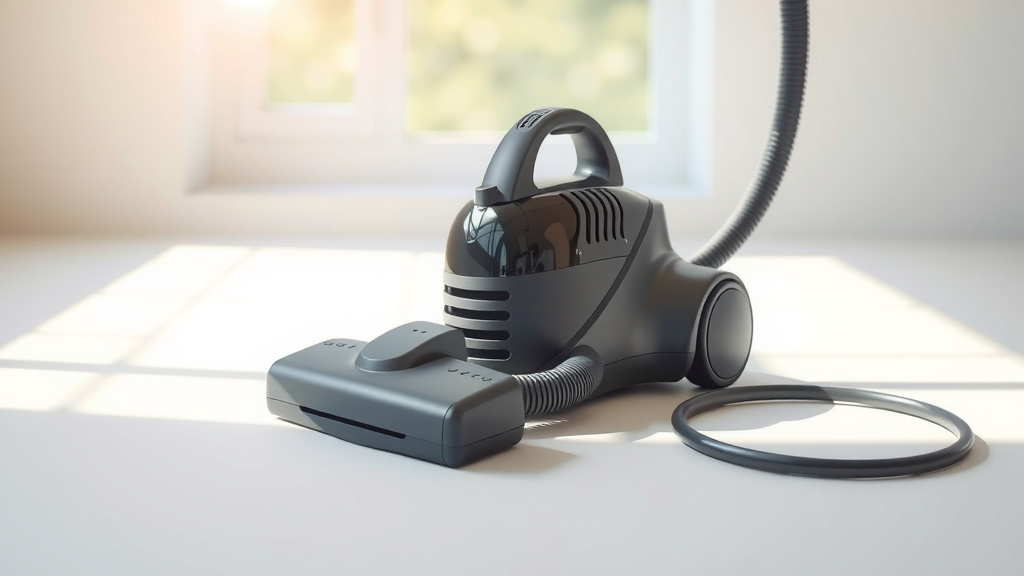
To unclog a vacuum cleaner hose, first disconnect it from the machine and any attachments. Visually inspect both ends, then gently shake the hose to dislodge any loose debris.
If shaking doesn’t work, carefully use a broom handle or a plumber’s snake to push the obstruction out, working from one end of the hose towards the other.
TL;DR: Don’t want to read the whole guide? Here’s the quick takeaway:
- Always disconnect your vacuum hose before attempting to clear a clog.
- Start with visual checks and gentle shaking – often, simple clogs pop right out.
- A broom handle or a plumber’s snake can be your best friend for stubborn blockages.
- Clean your vacuum regularly to prevent clogs and extend its lifespan.
- Safety first: never use sharp objects or harsh chemicals in your hose.
How To Unclog A Vacuum Cleaner Hose?
Unclogging a vacuum cleaner hose typically involves disconnecting it from the unit and carefully dislodging the obstruction using simple tools or manual manipulation.
Why Does Your Vacuum Hose Get Clogged?
Ever wonder why your trusty vacuum suddenly loses its suction power? Usually, the culprit is a blockage inside the hose. We found that long hair, pet fur, and large debris like paper clips or small toys are common offenders.
Sometimes, dust and dirt can build up over time, creating a sticky, dense plug. It’s like a traffic jam inside your hose, stopping everything in its tracks.
Signs of a Clogged Hose
How do you know it’s a clog and not something else? The most obvious sign is reduced or absent suction at the nozzle. You might hear the motor working harder, a struggling sound.
Another telltale sign is a strange smell, perhaps a burning scent if the motor is overheating from strain. Your vacuum might even shut off automatically if it’s designed with thermal protection (Consumer Reports).
Safety First: Before You Start
Before you get your hands dirty, safety is paramount. Always, and we mean always, unplug your vacuum cleaner from the wall outlet. This prevents accidental starts and protects you from electric shock.
Wear gloves if you prefer, especially if you think the clog might be gross. You never know what surprises lurk inside! Remember, your safety is worth a few extra seconds of preparation.
Tools You Might Need
You probably have most of these items lying around your home. You don’t need fancy gadgets to get the job done.
- Work gloves (optional, but recommended)
- Flashlight
- Broom handle or similar sturdy stick (wooden preferred)
- Plumber’s snake or long, stiff wire (coat hanger can work in a pinch)
- Garden hose or access to a sink/bathtub (for the water method, if needed)
- Scissors or utility knife (for cutting through tangled hair)
Step-by-Step Guide to Unclogging Your Hose
Ready to bring your vacuum back to life? Follow these steps, and you’ll be amazed at how simple it can be.
Step 1: Disconnect the Hose
First, detach the hose completely from your vacuum cleaner unit and any attachments. This usually involves pressing a release button or twisting it off. Make sure it’s free and independent.
Step 2: Visual Inspection
Take your flashlight and look inside both ends of the hose. Can you see the clog? Often, a stubborn clump of hair or a rogue sock will be visible. Pinpointing its location helps with the next steps.
Step 3: The Gentle Shake
Hold the hose upright and gently shake it. Sometimes, gravity and a little jiggle are all it takes to loosen a light blockage. You might hear a “thump” as the clog falls out. It’s like shaking coins from a piggy bank!
Step 4: The Broom Handle Method
If shaking doesn’t work, grab a broom handle or a similar long, sturdy stick. Gently push it into one end of the hose. Slowly work it through, applying steady pressure. You want to push the clog out, not just break it into smaller pieces.
Many experts say working from the end closest to the clog (if you know where it is) can be most effective. Be careful not to puncture the hose (Mayo Clinic).
Step 5: Using a Plumber’s Snake
For really stubborn clogs, a plumber’s snake is a fantastic tool. Feed it into the hose until you feel resistance. Twist and push, trying to hook onto or break apart the blockage. It’s a bit like fishing for the culprit.
A straightened wire coat hanger can also work for smaller, closer clogs. Just be careful not to scratch the inside of the hose.
Step 6: The Water Method (Use with caution)
If all else fails, and your hose is safe to get wet (check your vacuum’s manual!), you can try flushing it. Take the hose outside or to a utility sink. Run water through it, working the clog loose.
After flushing, ensure the hose is completely dry before reattaching it to your vacuum. You don’t want water near electrical components! This can take 24-48 hours, so plan accordingly.
When to Call for Help
Sometimes, despite your best efforts, the clog just won’t budge. If you’ve tried all methods and the suction is still poor, it might be time to consider professional help. Many vacuum repair shops offer affordable unclogging services.
Also, if you suspect the issue is not the hose but the vacuum motor or another internal component, a technician can diagnose it correctly. Don’t risk further damage by forcing things.
Preventing Future Clogs
An ounce of prevention is worth a pound of cure, right? Keep your vacuum happy and clog-free with these tips.
Tips for a Smooth-Running Vacuum
Be mindful of what you’re vacuuming. Avoid picking up large items, excessive hairballs, or anything that feels too heavy for the hose. Think of your vacuum as a cleaner, not a trash can for big messes.
We found that regularly emptying the dustbin or replacing the bag helps maintain suction and reduces the chances of debris getting compacted in the hose (Consumer Reports).
Regular Maintenance Schedule
A little routine care goes a long way. This simple schedule can keep your vacuum hose clear and your machine working efficiently.
| Task | Frequency |
|---|---|
| Visually inspect hose ends | Every 3-4 uses |
| Check for suction issues | Every time you vacuum |
| Clear minor blockages | As needed |
| Deep clean hose (if applicable) | Every 3-6 months |
Quick Checklist for a Clear Hose
Before you store your vacuum away, here’s a quick mental run-through:
- Is the hose completely detached and unplugged?
- Did you check both ends of the hose with a flashlight?
- Have you tried shaking the hose gently?
- Is your broom handle or snake ready for action?
- Are you being careful not to damage the hose interior?
Conclusion
Unclogging a vacuum cleaner hose is often a straightforward task you can handle yourself with a few common household items and a bit of patience. By following these steps, you can restore your vacuum’s suction and get back to a cleaner home faster.
Remember, regular maintenance and being mindful of what you vacuum are your best defenses against future blockages. Keep your vacuum humming, and it will keep your floors sparkling!
What causes a vacuum cleaner hose to get clogged most often?
The most common causes are usually an accumulation of long hair, pet fur, and larger pieces of debris like paper, small toys, or even socks that get accidentally sucked up.
Can I use chemicals to dissolve a clog in my vacuum hose?
No, it’s generally not recommended to use chemicals like drain cleaner in your vacuum hose. These can damage the hose material, be hazardous to your health, and may not even be effective against typical vacuum clogs.
How do I prevent dog hair from clogging my vacuum hose?
To prevent dog hair clogs, try to brush your dog regularly to reduce shedding. When vacuuming, go slowly over heavily pet-haired areas. You might also consider a vacuum designed specifically for pet hair, which often have wider hoses and specialized attachments.
Is it possible to repair a damaged vacuum hose if I puncture it while unclogging?
Minor punctures can sometimes be repaired with strong electrical tape or a hose repair kit, but for larger or multiple punctures, it’s usually best to replace the entire hose. A compromised hose will lead to reduced suction and potential motor strain.
How often should I check my vacuum hose for clogs?
It’s a good practice to quickly check your vacuum hose for visual obstructions every few uses, especially if you notice any drop in suction. A more thorough check should be done if suction significantly decreases or you hear the motor struggling.