Why Does My Vacuum Cleaner Smell Bad?
Your vacuum cleaner smells bad primarily because of trapped organic debris like pet hair, food crumbs, or mold spores festering within its components. These common culprits break down over time, releasing unpleasant odors into your home.
To eliminate a bad vacuum cleaner smell, you often need to empty the dust bin, clean or replace filters, clear any clogs, and thoroughly clean the brush roll and internal parts. Addressing these issues will typically resolve the stench.
Here’s a quick rundown of what you’ll find in this guide:
- Your vacuum’s bad smell often points to trapped gunk or microbial growth.
- Pet hair, stale food, and damp filters are major smell sources.
- Simple steps like emptying and cleaning filters can make a huge difference.
- Sometimes, a **deep clean of components** is your best friend.
- Regular care prevents odors from ever taking hold.
Why Does My Vacuum Cleaner Smell Bad?
Your vacuum cleaner smells bad because various organic materials get caught inside and decompose, or mold grows in damp conditions. These issues release unpleasant odors into the air as your vacuum runs.
The Usual Suspects: What’s Hiding Inside?
Have you ever wondered what exactly causes that unpleasant odor? It’s often a mix of things you’ve been vacuuming up daily. Let’s look at the common culprits that make your vacuum cleaner smell bad.
Trapped Dirt, Dust, and Debris
Every time you vacuum, you pick up a host of tiny particles. These bits of dirt, dust, and general debris accumulate. Over time, this mixture can start to smell stale and musty, especially if it’s been sitting for a while (Mayo Clinic).
Pet Hair and Dander Accumulation
If you have furry friends, their hair and dander are a constant presence. When pet hair collects in the dust bin, brush roll, or hose, it can develop a distinct, often pungent, “wet dog” smell. This is a very common source of odor.
Mold or Mildew Growth
Did you vacuum up something damp by accident? Maybe a damp towel or a small spill? Moisture combined with organic matter creates a perfect environment for mold and mildew to thrive. This often results in a strong, musty, or earthy odor.
Food Particles and Spills
Life happens, and sometimes you vacuum up a dropped crumb, a piece of cereal, or even a small liquid spill. For a related odor, see our guide to vomit-like vacuum smells. These food particles will decompose inside your vacuum, leading to a sour, rotten, or generally offensive smell. Think of it like a mini compost bin.
Dirty or Clogged Filters
Your vacuum’s filters are designed to trap fine dust and allergens. However, if they become saturated with dirt and never cleaned, they can get clogged. A dirty filter restricts airflow and can begin to emit stale odors, effectively re-circulating bad smells back into your room.
Full or Overfilled Dust Bin/Bag
It sounds simple, but a full dust bin or bag is a prime culprit. When the capacity is reached, air can’t circulate correctly, and the collected debris becomes compacted. This creates a highly concentrated area where all those smelly particles fester.
Worn-Out Brush Roll
Sometimes, the smell isn’t decomposition. If you notice a burning rubber or hot electrical smell, see our guide to burning vacuum smells, which could come from your brush roll. A brush roll tangled with hair or debris, or one with a worn belt, can cause friction and overheating, leading to a distinct, hot odor.
Identifying the Source: A Little Detective Work
Feeling like a detective? Good! Pinpointing the exact source of the smell is half the battle. We’ve found that a systematic approach works best.
The Sniff Test
Start by smelling different parts of the vacuum cleaner. Is the smell strongest near the dust bin, the hose, or the motor exhaust? This can give you a major clue about the odor’s origin. Many experts recommend this simple diagnostic first step.
Visual Inspection
With the vacuum unplugged, carefully inspect all accessible areas. Look for visible clumps of hair, food debris, signs of moisture, or discolored filters. Check the brush roll for tangles and the hose for blockages. Seeing the problem helps confirm the sniff test’s findings.
How to Make Your Vacuum Smell Fresh Again
Once you’ve identified the source, it’s time for action. Here’s a practical guide to banishing those nasty odors for good.
Empty the Dust Bin or Change the Bag
This is your very first step. If you have a bagless vacuum, empty the dust bin completely. For bagged models, swap out the old bag for a fresh one. This simple act alone often eliminates a significant amount of odor.
Clean or Replace Filters
Filters are odor magnets. If your filters are washable, give them a thorough wash with warm, soapy water. Allow them to air dry completely before putting them back. Non-washable filters should be replaced according to your manufacturer’s recommendations (NIH).
Wash the Dust Bin
Even after emptying, residues can cling to the inside of your dust bin. Disassemble it and wash it with warm, soapy water. A little baking soda paste can help remove stubborn grime and odors. For more on the risks, see our guide to baking soda vacuum safety. Ensure it’s bone-dry before reassembly to prevent mold.
Clear Clogs and Blockages
Take the hose off and peer inside. Are there any visible blockages? Use a broom handle or a long stick to gently dislodge anything stuck. Check the connections between the hose and the main unit, and where the hose meets the floor tool. Good airflow is crucial for a fresh-smelling vacuum.
Clean the Brush Roll
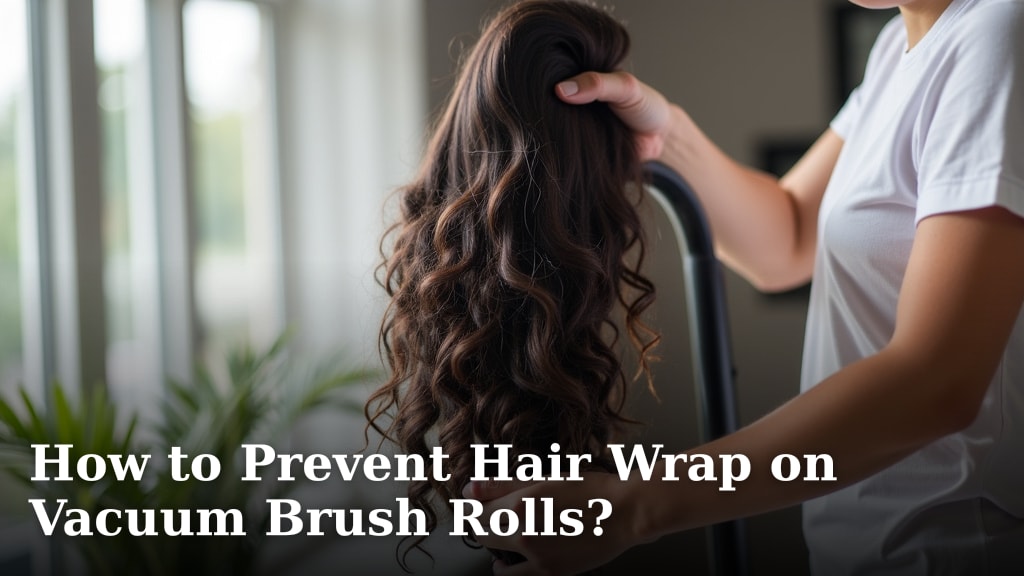
Hair, string, and carpet fibers often get wrapped around the brush roll. Use scissors to carefully cut away these tangles. Remove the brush roll if possible for a deeper clean. A clean brush roll reduces strain on the motor and eliminates trapped smelly debris.
Deodorize Your Vacuum
After a thorough cleaning, you might want an extra freshness boost. Find simple ideas in our guide to making a vacuum smell good. Here are a few safe options:
- Baking Soda: Sprinkle a small amount of baking soda onto your carpet, let it sit for 15 minutes, then vacuum it up. It absorbs odors.
- Cotton Balls: Place a few drops of your favorite essential oil onto a cotton ball and place it in the dust bin (away from moving parts).
- Vacuum Fresheners: Some brands sell specific vacuum deodorizers that you can place inside the bag or bin.
Preventative Measures: Keep the Stink Away
The best way to deal with a smelly vacuum is to prevent the smell from starting. A little regular maintenance goes a long way. Consider it like caring for a car – routine checks save headaches.
Regular Maintenance Routine
Here’s a simple checklist to keep your vacuum running clean and fresh:
- Empty the dust bin after each significant use.
- Check and clean your filters monthly, or more often with heavy use.
- Inspect the brush roll for tangled hair or debris every few uses.
- Wipe down the internal components and external casing every few months.
- Address wet spills or pet accidents with paper towels before vacuuming.
Addressing Spills Promptly
If you spill something wet, even a small amount, try to clean it up with paper towels first. Vacuuming liquid, or even damp crumbs, almost guarantees a mold problem down the line. A proactive approach here can save you from future odors and extensive cleaning.
Here’s a quick overview of common smells and their likely solutions:
| Smell Type | Likely Cause & Solution |
|---|---|
| Musty/Mildewy | Mold from damp debris or filter. Clean/dry all components. |
| Burnt/Rubbery | Overheating motor, worn belt, tangled brush roll. Clear tangles, check belt. |
| Sour/Rotten | Trapped food, pet accidents, decomposing matter. Deep clean bin, hose, and brush roll. |
| Dusty/Stale | Full bag/bin, dirty filter, poor air circulation. Empty, clean/replace filters. |
Conclusion
A bad-smelling vacuum cleaner is certainly an annoyance, but it’s rarely a sign of serious trouble. More often than not, it simply means your hard-working machine needs a little attention and a good clean. By understanding the common culprits—from pet hair to damp filters—you can quickly identify the source and apply the right solution.
Remember, a clean vacuum isn’t just about a fresh smell; it’s about efficient cleaning and a longer lifespan for your appliance. So, roll up your sleeves, give your vacuum some tender loving care, and enjoy a cleaner, fresher home without that funky odor.
FAQs
Can I put essential oils directly into my vacuum cleaner?
We do not recommend putting essential oils directly into the dust bin or on filters, as they can sometimes damage plastic components or clog fine mesh. Instead, place a few drops on a cotton ball and put that in the dust bin, away from moving parts, for a pleasant scent.
How often should I clean my vacuum filters?
For most households, cleaning or checking filters monthly is a good practice. If you have pets, allergies, or vacuum frequently, you might want to do it every two to three weeks. Always follow your vacuum cleaner’s specific manual for optimal care.
My vacuum smells burnt, what should I do?
A burning smell usually indicates a problem with the motor or brush roll. Immediately unplug the vacuum. Check the brush roll for anything tangled, like hair or string, and ensure it can spin freely. If the smell persists after clearing tangles, it might be a motor issue requiring professional inspection.
Can a clogged hose cause a bad smell?
Absolutely! A clogged hose can trap all sorts of debris, including food particles, pet hair, and even damp material. These trapped items will decompose over time, leading to very unpleasant odors. Regularly checking and clearing your hose is an important step in preventing smells.
Is it safe to use water to clean my vacuum cleaner’s internal parts?
You can wash some parts, like the dust bin and washable filters, with water and mild soap. However, it’s crucial that all parts are completely air-dried before reassembling them. Never use water on electrical components or the motor, as this can cause damage or be a safety hazard. Always check your vacuum’s manual for specific cleaning instructions.