
What Is Dust Bag In Vacuum Cleaner?
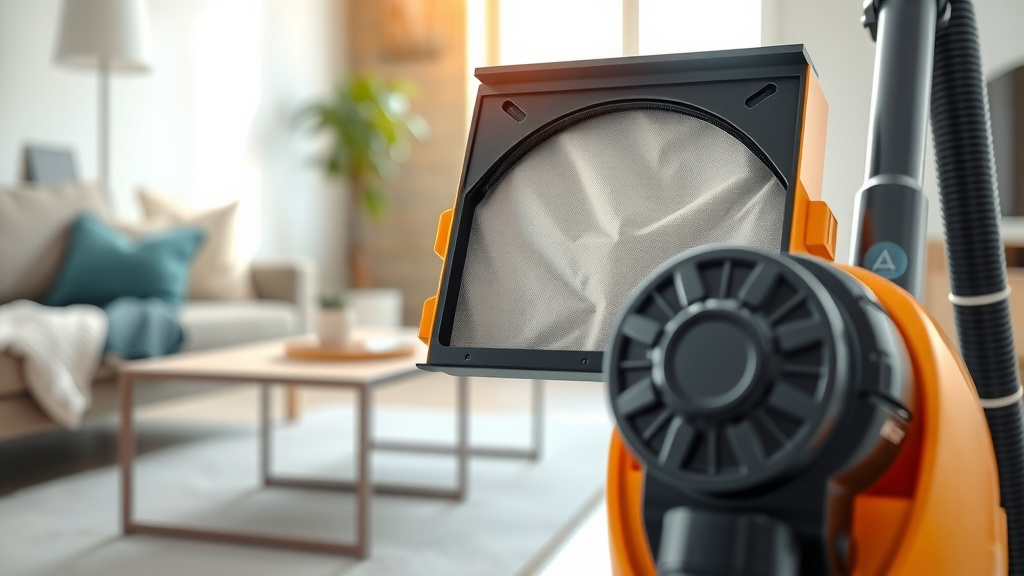
A dust bag in a vacuum cleaner is a disposable container, typically made from paper or synthetic fibers, designed to collect dirt, dust, and debris as your vacuum cleans.
Its main role is to act as a primary filter, trapping microscopic particles and preventing them from re-entering your home’s air, keeping your living space cleaner.
- A dust bag is a sealed, disposable filter inside bagged vacuum cleaners.
- It collects all the dirt, dust, and allergens, preventing them from escaping.
- Dust bags offer superior filtration and cleaner disposal, great for allergy sufferers.
- You’ll need to replace them regularly, which adds a recurring cost.
- Changing the bag at the right time maintains suction and air quality.
What Is Dust Bag In Vacuum Cleaner?
Imagine a small, often multilayered pouch inside your vacuum. That’s essentially a dust bag. It’s the heart of a bagged vacuum cleaner, responsible for capturing all the bits and pieces you suck up from your floors.
These bags are like tiny, personal landfills for your household dirt. They are designed for easy removal and disposal.
Why Do Some Vacuums Use Bags?
You might wonder why some vacuums still rely on bags when bagless models are so popular. The answer often comes down to filtration and hygiene.
Many experts say that bagged systems offer a superior way to trap allergens and fine dust, making them a top choice for those with sensitivities (American Lung Association).
How Does a Dust Bag Work?
It’s quite simple, really. When you switch on your vacuum, a motor creates suction. Air, along with dirt and debris, gets pulled into the nozzle and then into the dust bag.
The bag acts like a sieve. It lets the air pass through its porous material, but traps the solid particles inside. The clean air then exits the vacuum, often through additional filters.
The Anatomy of a Dust Bag
Modern dust bags are not just simple paper sacks. We found that they often feature multiple layers of synthetic material.
These layers work together to capture tiny particles, sometimes down to 0.3 microns in size. Think of it like a sophisticated net, catching even the smallest dust bunnies.
Bagged vs. Bagless Vacuums: A Quick Look
Choosing between bagged and bagless can feel like picking a side. Both have their strong points, and what’s best for you really depends on your needs.
Here’s a simple comparison to help you understand the differences.
| Feature | Bagged Vacuums | Bagless Vacuums |
|---|---|---|
| Dust Containment | Excellent; sealed disposal. | May release dust when emptying. |
| Filtration | Often superior due to bag material. | Relies on internal filters. |
| Cost | Ongoing cost for replacement bags. | No recurring bag costs. |
| Maintenance | Replace bag, occasional filter clean. | Empty dustbin, frequent filter cleaning. |
Advantages of Using a Dust Bag
There are some really compelling reasons why people stick with bagged vacuums. It’s not just about tradition; it’s about practical benefits.
Let’s look at why a dust bag might be your preferred choice for home cleaning.
Better Filtration
Many dust bags come with multi-layer designs that act as an additional layer of filtration. This means less dust and fewer allergens escape back into the air.
Research often connects these sealed systems with reduced airborne particle counts (NIH). This is a big win for cleaner air.
Cleaner Disposal
When the bag is full, you simply remove it and toss it in the trash. The dirt is contained, keeping dust clouds at bay. No more messy dustbins to empty.
It’s a quick and hygienic process, making clean-up less of a chore and more of a breeze.
Less Allergen Exposure
For those with allergies or asthma, this is a huge benefit. Because the dust is sealed in the bag, you have minimal contact with allergens when changing it.
Many experts say this significantly reduces the chance of triggering allergic reactions during vacuum maintenance.
Disadvantages of Dust Bags
Of course, nothing is perfect, and dust bags do come with a few downsides. It’s good to be aware of these before you commit.
Understanding these points helps you make an informed decision for your home.
Ongoing Cost
This is probably the most common complaint. You have to keep buying replacement bags. It’s an extra expense that adds up over time.
Think of it like buying coffee filters for your coffee maker; it’s a small, recurring purchase.
Reduced Suction
As a dust bag fills up, air flow through the bag becomes restricted. This directly impacts your vacuum’s suction power.
You might notice your vacuum working less effectively, struggling to pick up debris. A full bag means your vacuum is working harder, not smarter.
Finding Replacements
Sometimes, finding the exact replacement bag for your specific vacuum model can be a bit of a hunt. It can be frustrating if your model is older or less common.
Always double-check your vacuum’s model number before buying new bags to ensure a perfect fit.
When Should You Change Your Vacuum Cleaner’s Dust Bag?
Knowing when to change the dust bag is crucial for keeping your vacuum running efficiently and your air clean. Waiting too long hurts performance.
Here’s a simple checklist to guide you:
- When the bag is visibly full to the fill line.
- If you notice a decrease in suction power.
- After vacuuming a particularly dusty or dirty area.
- If your vacuum’s “bag full” indicator light comes on.
- At least every 1-2 months, even if not completely full, for hygiene.
Tips for Maintaining Your Dust Bag Vacuum
To get the most out of your bagged vacuum, a little maintenance goes a long way. These small habits can extend your vacuum’s life and improve its cleaning power.
Let’s make sure your vacuum stays in top shape.
Regular Checks
Make it a habit to check the dust bag’s fullness regularly. Don’t wait until suction drops completely.
A quick peek can prevent bigger issues down the line.
Proper Bag Installation
Always ensure the new bag is installed correctly and sealed tightly. A poorly fitted bag can allow dust to escape into the motor, causing damage.
Many vacuum manuals offer clear diagrams for correct placement.
Choosing the Right Bag
Always use bags specifically designed for your vacuum model. Generic bags might seem cheaper, but they often lead to poor filtration and potential leaks.
Investing in the correct bag protects your vacuum and keeps your home cleaner. We found that manufacturer-recommended bags typically offer the best performance.
The Environmental Angle: Are Dust Bags Eco-Friendly?
This is a fair question in today’s world. Dust bags are disposable, which means they contribute to landfill waste. Most are not easily recyclable due to the mix of materials and contents.
However, some brands are now offering eco-friendlier options made from recycled materials or designed for easier decomposition. It’s something to consider when buying.
Common Myths About Vacuum Dust Bags
There are a few misconceptions floating around about dust bags. Let’s clear them up!
Understanding the facts helps you use your vacuum more effectively.
- Myth: You can empty and reuse a dust bag. Fact: Dust bags are designed for single use. Reusing them compromises filtration and can damage your vacuum.
- Myth: All dust bags are the same. Fact: Bags vary greatly in size, filtration layers, and material. Always match them to your vacuum model.
- Myth: A full bag means more efficient cleaning. Fact: A full bag reduces suction and cleaning effectiveness, making your vacuum work harder.
Conclusion
Dust bags are truly the unsung heroes of many vacuum cleaners. They play a vital role in capturing dirt, trapping allergens, and keeping your home air cleaner.
While they come with a recurring cost and need regular changing, their benefits in terms of hygiene and filtration are undeniable. Choosing a bagged vacuum is often about prioritizing a cleaner, healthier home environment.
By understanding what a dust bag is and how to use it properly, you can ensure your vacuum performs at its best, helping you maintain a truly spotless and fresh living space.
How often should I replace a dust bag for optimal performance?
You should aim to replace your dust bag when it’s about two-thirds full, or if your vacuum’s ‘bag full’ indicator illuminates. For average use, this typically means replacing it every 1-3 months. Waiting until it’s completely full can significantly reduce suction and strain your vacuum’s motor.
Can a dirty or full dust bag damage my vacuum cleaner?
Yes, a dirty or overly full dust bag can absolutely damage your vacuum cleaner. It restricts airflow, forcing the motor to work harder and potentially overheat. This can lead to premature motor wear, reduced lifespan, and expensive repairs. Always replace bags promptly to protect your investment.
Are there different types of dust bags for different vacuum cleaner brands?
Absolutely. Dust bags are highly specific to vacuum cleaner brands and even specific models within those brands. They vary in size, shape, connection points, and filtration efficiency. Using the wrong bag can lead to poor fit, dust leakage, and ineffective cleaning. Always check your vacuum’s manual for the correct bag type.
Do dust bags affect the vacuum cleaner’s suction power?
Yes, dust bags directly affect suction power. As a bag fills with dirt and debris, its pores become clogged. This impedes airflow, causing a noticeable drop in your vacuum’s ability to pick up dirt. Replacing a full bag is often the quickest way to restore your vacuum’s full suction.
What is the typical lifespan of a vacuum dust bag once installed?
The lifespan of a vacuum dust bag varies greatly depending on how often you vacuum, the size of your home, and the amount of dirt and pet hair you pick up. For an average household, a bag might last anywhere from 1 month to 3 months. In homes with pets or heavy traffic, it might need changing more frequently, even every few weeks.
