How Do Vacuum Cleaner Bags Work?
Vacuum cleaner bags work by acting as a highly effective filter, capturing dust, dirt, and allergens from the air sucked in by the vacuum motor while allowing clean air to pass through.
They create an essential barrier, trapping debris within a sealed compartment to maintain household hygiene and improve air quality.
- Vacuum cleaner bags use special fibers to trap dust and dirt.
- They act as the primary filter for your vacuum cleaner.
- Bag materials vary, offering different levels of filtration, including HEPA.
- Regular bag changes are key for strong suction and cleaner air.
- Bagged systems are often preferred for allergy sufferers due to better dust containment.
How Do Vacuum Cleaner Bags Work?
Vacuum cleaner bags are like your vacuum’s personal bodyguard against dirt, stopping debris from escaping. They filter the air as it enters, keeping the mess contained.
This ingenious design ensures that what goes in stays in, letting only purified air return to your room.
The Simple Science of Suction
Think of your vacuum cleaner creating a powerful mini-tornado. The motor generates a low-pressure area, pulling air, dust, and debris from your floors. See what happens to this process in a vacuum cleaner in space.
This incoming air stream is then directed right into the vacuum bag, where the magic of filtration begins.
What Happens Inside the Bag?
Once inside, the air and particles encounter the bag’s porous material. The tiny holes in the bag are small enough to block dirt, dust, and pet dander.
However, these holes are large enough to allow the cleaned air to flow freely back out of the vacuum cleaner.
Materials Matter: What Are Bags Made Of?
Modern vacuum bags aren’t just simple paper sacks. We found that they’re often made from multiple layers of synthetic materials, like non-woven fabric.
These advanced materials help in trapping even the finest particles effectively, much better than older paper versions (Consumer Reports).
Micro-Filtration: Beyond Basic Dust
Many high-quality vacuum bags go a step further with micro-filtration. This means they can capture particles as small as pollen, dust mites, and pet dander.
Research suggests that these bags can significantly improve indoor air quality, a real plus for anyone with allergies or asthma (National Institutes of Health).
Why Choose a Bagged Vacuum?
Opting for a bagged vacuum cleaner brings several clear advantages. The main one is often the superior dust containment and hygienic disposal.
When the bag is full, you simply remove it and throw it away, minimizing your exposure to accumulated dust and allergens.
Better Air Quality at Home
Many experts say that bagged vacuums tend to excel at keeping dust and allergens out of the air you breathe. The sealed system of the bag prevents microscopic particles from escaping back into your room.
This is a significant benefit for creating a cleaner breathing environment, especially for families (EPA guidelines).
Different Bag Types for Different Needs
Not all vacuum bags are created equal, and choosing the best upright vacuum bags can really impact your cleaning. You’ll find standard bags, which are great for everyday dirt.
Then there are HEPA-rated bags, designed for superior allergen capture, and multi-layer bags offering enhanced filtration for tougher jobs.
| Bag Type | Primary Benefit | Ideal User |
|---|---|---|
| Standard Paper | Cost-effective, basic dust collection | General cleaning, no major allergies |
| Multi-Layer Synthetic | Improved filtration, tear-resistant | Pet owners, moderate allergies |
| HEPA-Rated | Captures 99.97% of particles 0.3 microns | Severe allergy sufferers, asthmatics |
When to Change Your Vacuum Bag
Knowing when to change a vacuum bag is simple. Don’t wait until it’s overflowing; that can actually harm your vacuum’s performance.
A good rule of thumb is to change it when it’s about two-thirds full, even if your vacuum still seems to be working okay.
Here’s a quick checklist to help you decide:
- Your vacuum feels less powerful.
- The suction seems weaker than usual.
- There’s a noticeable decrease in airflow.
- Your vacuum’s “bag full” indicator light is on.
- You notice a slight odor coming from the vacuum.
- It’s been a few weeks since the last change, even with light use.
Bagged vs. Bagless: A Quick Look
The choice between bagged and bagless often comes down to personal preference and priorities. Bagged vacuums offer hygienic disposal and superior filtration, making them excellent for allergy sufferers.
Bagless models are convenient because you don’t need to buy replacement bags, but emptying the dustbin can release particles back into the air.
Keeping Your Vacuum Running Smoothly
Beyond changing the bag, a little care ensures your vacuum serves you well. Regularly check the hose for blockages and clean or replace your vacuum’s filters as recommended by the manufacturer.
A well-maintained machine means a cleaner home and a longer life for your appliance.
Conclusion
Vacuum cleaner bags are much more than simple dust catchers; they are a critical component of your vacuum’s filtration system. They efficiently trap dirt, debris, and microscopic allergens, ensuring that clean air is returned to your home. For the broader design story, read about vacuum cleaner history.
Understanding how they work helps you appreciate their role in maintaining a hygienic living space and making informed choices about your cleaning routine. Changing them regularly is key to optimal performance and a truly clean environment.
What is the main purpose of a vacuum cleaner bag?
The main purpose of a vacuum cleaner bag is to collect and contain dirt, dust, and other debris sucked up by the vacuum. It also acts as a crucial filter, trapping particles while allowing clean air to pass through.
Can I reuse a vacuum cleaner bag?
Generally, you should not reuse vacuum cleaner bags. They are designed for single use, and attempting to empty and reuse them can damage the bag’s filtration layers, reduce suction, and release trapped allergens back into your home.
Are all vacuum cleaner bags the same?
No, not all vacuum cleaner bags are the same. They vary greatly in size, material, and filtration capabilities. Always ensure you purchase the specific bag type recommended for your vacuum cleaner model for proper fit and performance.
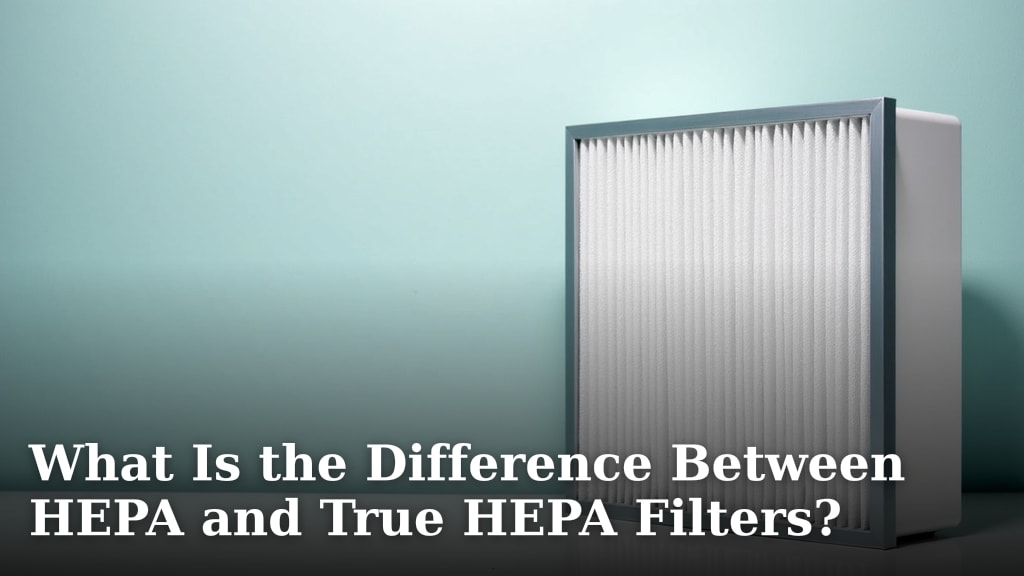
How do HEPA vacuum bags differ from standard bags?
HEPA (High-Efficiency Particulate Air) vacuum bags are designed with extra layers of filtration material to capture a much higher percentage of microscopic particles, down to 0.3 microns, compared to standard bags. This makes them ideal for individuals with allergies or asthma.
Will a full vacuum bag affect my vacuum’s performance?
Yes, a full or nearly full vacuum bag will significantly affect your vacuum’s performance. It restricts airflow, leading to reduced suction power, making the vacuum less effective at picking up dirt and potentially causing the motor to work harder and overheat.