What Is A Beater Bar On A Vacuum Cleaner?
On this page (9 sections)
- What Is A Beater Bar On A Vacuum Cleaner?
- Types of Beater Bars You Might Encounter
- When Is A Beater Bar Your Best Friend?
- When Should You Turn Off Your Beater Bar?
- Keeping Your Beater Bar in Top Shape: Maintenance Tips
- Common Beater Bar Issues and Simple Fixes
- Beater Bar vs. Suction-Only Vacuums: A Quick Look
- Checklist for Optimal Beater Bar Performance
- Conclusion
A beater bar, often called a brush roll or agitator, is the rotating brush assembly located at the bottom of many vacuum cleaner heads. Its main job is to vigorously agitate carpet fibers, helping to loosen embedded dirt, dust, and pet hair so the vacuum can suction it away.
This essential component significantly boosts your vacuum’s ability to deep clean carpets, making a big difference compared to suction-only cleaning.
Here’s a quick look at what we’ll cover about your vacuum’s beater bar:
- It’s the spinning brush that tackles deep-seated dirt.
- It works by agitating carpet fibers, releasing trapped debris.
- Knowing its type helps you clean different floor surfaces better.
- Proper maintenance keeps it working efficiently and extends its life.
- There are times when turning it off is actually the smart move for your floors.
What Is A Beater Bar On A Vacuum Cleaner?
A beater bar is essentially a rotating brush with bristles or rubber fins. It spins at high speed, sweeping and scrubbing your floor surfaces. Think of it like a small, energetic broom built right into your vacuum’s head. Its main purpose is to loosen debris that suction alone might miss.
How Does Your Vacuum’s Beater Bar Work?
When you push your vacuum, the beater bar rotates. This spinning motion creates a physical scrubbing action on your carpets. It literally “beats” or vibrates the carpet fibers, dislodging dirt particles. These loosened particles are then easily pulled up by the vacuum’s powerful airflow. For hard floors, it sweeps surface debris into the suction path.
Why Is This Spinning Brush So Important?
Without a beater bar, many vacuums would only pick up surface-level dirt. Imagine trying to clean a dusty rug by just waving a hose over it. It wouldn’t get everything, would it? The beater bar provides that crucial scrubbing power, reaching deep into your carpets to remove stubborn grime and allergens.
Types of Beater Bars You Might Encounter
Not all beater bars are created equal. You’ll find different designs, each suited for particular cleaning tasks. Knowing these can help you understand your vacuum better.
Bristle Beater Bars: The Carpet Champion
These are the most common type. They feature rows of stiff bristles, often nylon, that excel at digging into carpet pile. Many experts say these are ideal for pulling out pet hair and ground-in dirt from carpets (Consumer Reports).
Soft Roller Beater Bars: Gentle on Hard Floors
Some newer vacuums, especially cordless models, have soft roller beater bars. These are covered in a soft, cloth-like material. They’re designed to gently sweep fine dust and large debris from hard floors without scratching them. Research shows they can be highly effective for fine dust pick-up (Dyson research). They don’t agitate carpets effectively.
Rubber Blade Beater Bars: For Pet Hair Power
You might find beater bars with rubber fins or a mix of bristles and rubber. The rubber helps create a strong static charge to attract pet hair. It also helps to “squeegee” debris from bare floors. These are a great option if your home has a lot of furry residents.
When Is A Beater Bar Your Best Friend?
Your beater bar is a superstar in certain situations. It’s designed to give you a deeper, more thorough clean when used correctly.
Deep Cleaning Carpets and Rugs
This is where the beater bar truly shines. Whether it’s high-pile shag or low-pile office carpet, its agitation helps remove deeply embedded dirt. That weekly vacuuming session will feel much more effective with it engaged.
Tackling Pet Hair Head-On
Anyone with pets knows the struggle of shedding. The beater bar’s action physically pulls pet hair from fibers, collecting it into the vacuum’s path. It’s like a tiny, furry magnet working hard for you.
Removing Ground-In Dirt and Debris
Foot traffic pushes dirt down into your carpets over time. The beater bar lifts these particles, allowing your vacuum to suck them up. It helps refresh the look and feel of your carpets, much like a good scrub brush cleans a dirty pan.
When Should You Turn Off Your Beater Bar?
While powerful, the beater bar isn’t always welcome. Knowing when to disengage it is key to protecting your floors and vacuum.
Protecting Delicate Hardwood or Laminate Floors
Using a spinning bristle bar on delicate surfaces can cause scratches. It’s like scrubbing a fine antique table with a stiff wire brush. You wouldn’t do it, right? Always turn it off or use a vacuum designed for hard floors.
Cleaning Area Rugs with Fringes or Tassels
Those lovely fringes on your area rugs? A spinning beater bar can easily snag, fray, or even tear them off. It can also get tangled, causing damage to the vacuum. We found that many vacuum manufacturers advise turning it off in these cases.
Vacuuming Loose Mats or Small Rugs
A powerful beater bar can sometimes suck up small, lightweight rugs. This can clog your vacuum or cause the rug to get stuck. If the rug isn’t firmly anchored, it’s safer to use suction only or another cleaning method.
Keeping Your Beater Bar in Top Shape: Maintenance Tips
A well-maintained beater bar means a more effective vacuum and a longer lifespan for your appliance. A little care goes a long way.
Regular Cleaning is a Must
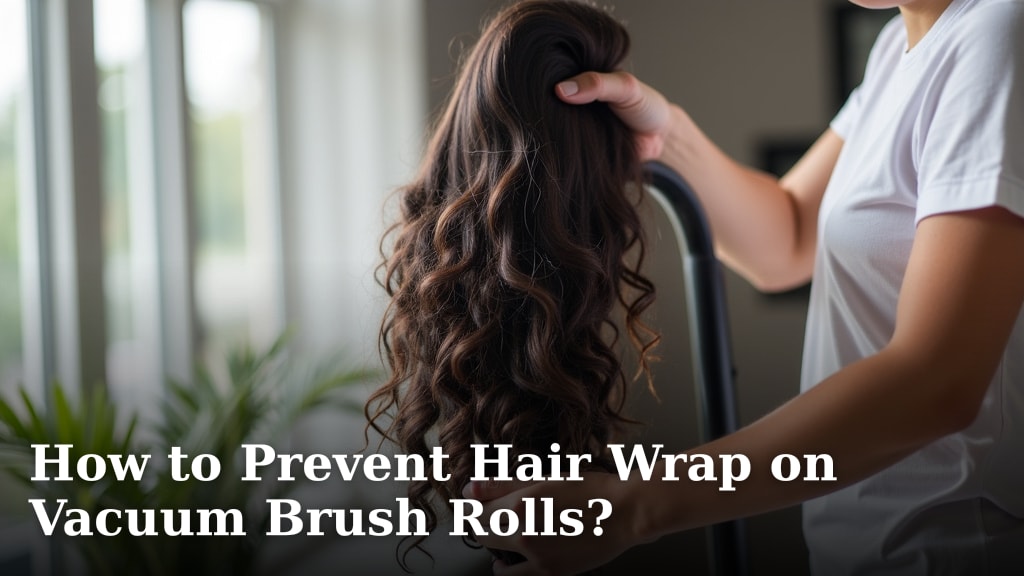
Hair, thread, and debris love to wrap around the beater bar. This can reduce its effectiveness and even strain the motor. Make it a habit to check and clean it regularly. Many guides point to monthly checks as a good first step (Good Housekeeping Institute).
- Unplug your vacuum before starting.
- Flip the vacuum head over.
- Use scissors or a seam ripper to carefully cut away tangled hair and threads.
- Pull off all debris, ensuring the bristles can spin freely.
- Check for any lodged hard objects.
When to Consider Replacing Your Beater Bar
Over time, bristles wear down or get damaged. If your beater bar isn’t agitating effectively, or if bristles are missing, it might be time for a new one. A worn beater bar can’t do its job, much like a dull knife won’t cut well.
Common Beater Bar Issues and Simple Fixes
Don’t panic if your beater bar stops spinning or seems less effective. Many issues have straightforward solutions.
It’s Not Spinning: What Could Be Wrong?
First, check for blockages. Is there a large piece of debris jammed in it? Next, check the drive belt. The belt connects the motor to the beater bar, and it can break or stretch. Replacing a broken belt is a common and easy fix for many vacuums.
Reduced Effectiveness: Is It Worn Out?
If your carpets still look dirty after vacuuming, your beater bar might be worn. Compare your bristles to a new one if you can. If they’re short or bent, it’s losing its scrubbing power. This is a sign it’s time for a replacement.
Beater Bar vs. Suction-Only Vacuums: A Quick Look
Here’s a simple comparison to help you understand the differences between vacuums with and without a beater bar.
| Feature | Vacuum with Beater Bar | Suction-Only Vacuum |
|---|---|---|
| Cleaning Action | Agitates, sweeps, and suctions | Pure suction |
| Best For | Carpets, rugs, pet hair, deep cleaning | Hard floors, delicate rugs, fine dust |
| Effectiveness on Carpets | High | Low (surface dirt only) |
| Risk of Floor Damage | Higher on delicate hard floors (if not turned off) | Very Low |
| Noise Level | Generally higher | Generally lower |
Checklist for Optimal Beater Bar Performance
Use this quick checklist to ensure your beater bar is always ready for action:
- Is it clean? Regularly remove hair and debris.
- Are the bristles intact? Check for wear, damage, or missing bristles.
- Is the belt functional? Ensure it’s not broken or stretched.
- Is it the right setting? Adjust height for carpet pile or turn off for hard floors.
- Is it spinning freely? Test it to make sure nothing is jamming its rotation.
Conclusion
The beater bar is truly a workhorse in your vacuum cleaner, providing that essential scrubbing action that suction alone can’t match. It’s the reason your carpets look and feel so much cleaner after a good vacuuming. Understanding how it works, when to use it, and how to maintain it gives you the power to keep your home cleaner and extend the life of your appliance. A little knowledge about this spinning marvel can make a big difference in your cleaning routine.
How often should I clean my vacuum’s beater bar?
Most experts suggest checking and cleaning your vacuum’s beater bar at least once a month. If you have pets or long hair, you might need to do it more frequently, perhaps every two weeks, to prevent excessive buildup and maintain optimal cleaning performance.
Can a broken beater bar damage my vacuum?
Yes, a broken or malfunctioning beater bar can strain your vacuum’s motor, potentially leading to overheating or early failure. If it’s jammed, it can also cause the drive belt to snap. Addressing issues quickly helps protect the entire appliance.
Is it possible to replace just the bristles on a beater bar?
Generally, you cannot replace individual bristles. If the bristles on your beater bar are worn or damaged, you will usually need to replace the entire brush roll assembly. This part is typically available from the vacuum manufacturer or authorized dealers.
Are all vacuum cleaners equipped with a beater bar?
No, not all vacuum cleaners have a beater bar. Some models, especially those designed primarily for hard floors or handheld use, may rely solely on suction. Canister vacuums often have an interchangeable powerhead that may or may not include a beater bar, offering versatility for different floor types.
How do I know if my beater bar needs to be replaced?
Signs that your beater bar needs replacing include noticeably worn-down, frayed, or missing bristles, or if it’s no longer effectively picking up debris, especially from carpets. If it’s making unusual noises or struggling to spin even after cleaning, it’s also a strong indicator that it might be time for a new one.