How To Remove Hair From Vacuum Cleaner Brush?
To effectively remove hair from your vacuum cleaner brush, first unplug the vacuum for safety, then use scissors or a seam ripper to carefully cut through tangled hair along the brush roll.
Once cut, gently pull the hair away from the brush bristles, ensuring all debris is cleared to restore optimal suction and brush performance.
- Unplug for Safety: Always disconnect your vacuum from power before starting.
- Gather Your Tools: Grab scissors, a seam ripper, and perhaps a small brush or comb.
- Access the Brush Roll: Most vacuums have a removable plate or cover to get to the brush.
- Cut and Pull Hair: Carefully snip through hair tangles, then pull them free.
- Prevent Future Buildup: Regular cleaning and pre-sweeping can make a big difference.
Oh, the dreaded tangled brush roll! You know the feeling, right? Your vacuum cleaner, once a mighty dust-eating beast, now just seems to be pushing crumbs around. That annoying, all-too-common culprit? Hair, usually, whether it’s from your beloved pet or your own locks. Dealing with this isn’t just a minor annoyance; it significantly impacts your vacuum’s ability to clean effectively. We’re here to guide you through it, making this chore simple and straightforward.
How To Remove Hair From Vacuum Cleaner Brush?
Removing tangled hair from your vacuum cleaner brush is a key maintenance step that improves suction and extends your vacuum’s life.
Why Hair is a Vacuum’s Arch-Nemesis
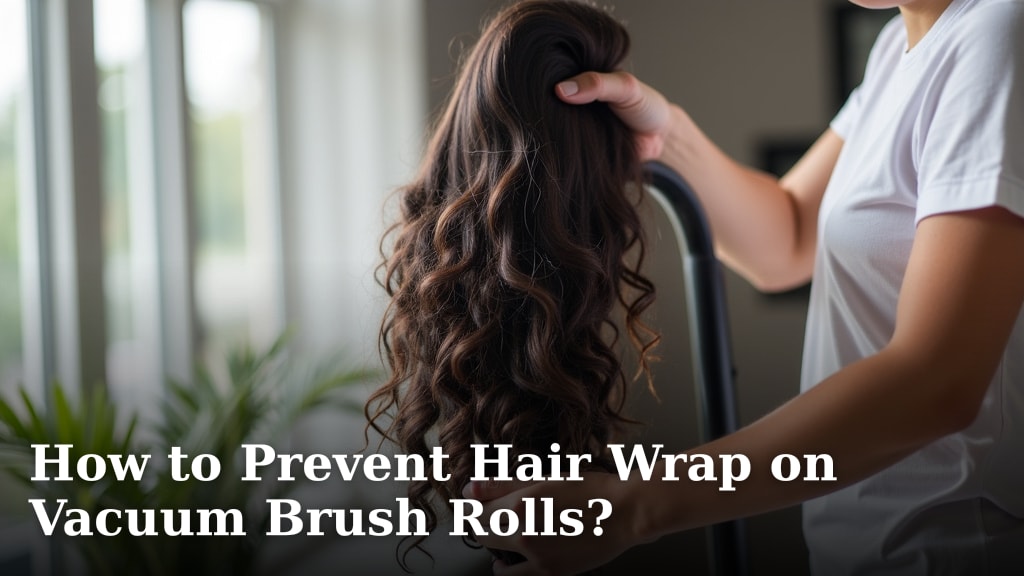
Have you ever wondered why hair seems to cling to everything, especially your vacuum’s brush roll? It’s a common problem. As the brush spins, hair, pet fur, and thread wrap tightly around the bristles and the rotating shaft. This creates a dense, stubborn mat that can slow down or even stop the brush from turning.
When the brush roll can’t spin freely, it can’t agitate carpet fibers to lift dirt. This means your vacuum isn’t cleaning as well as it should. Think of it like trying to sweep with a broom that has a giant hairball stuck to it – pretty useless, right? Research shows that a clogged brush roll is a primary cause of reduced vacuum performance (Consumer Reports).
The Silent Saboteur of Suction
Beyond just stopping the brush, excessive hair buildup can also put a strain on your vacuum’s motor. The motor has to work harder to try and turn a hair-bound brush. Over time, this extra effort can lead to overheating or premature wear and tear on your vacuum. Nobody wants that!
Plus, a clean brush roll just feels more satisfying to use. It glides better, picks up more, and makes your cleaning routine far less frustrating. A little preventive care goes a long way here.
Gather Your Hair-Removal Arsenal
Before you dive in, grab a few simple tools. You likely already have them lying around your house. Having these ready will make the process much smoother and quicker. You don’t need anything fancy, just some basic household items.
- Small scissors (nail scissors work great)
- Seam ripper (surprisingly effective for this job!)
- Comb or stiff brush (optional, for final touches)
- Flathead screwdriver (if your vacuum needs one to open the brush compartment)
- Trash can (for all that lovely hair)
Safety First: Unplug Your Vacuum!
This step is absolutely non-negotiable. Before you do anything else, always unplug your vacuum cleaner from the wall outlet. We know it sounds obvious, but it’s easy to forget in the moment. A spinning brush roll or live electrical components can cause serious injury. Your safety is paramount here. Don’t take chances; just unplug it.
Accessing the Brush Roll: The Grand Reveal
Okay, vacuum unplugged? Good. Now, you need to get to the brush roll itself. This process varies a bit depending on your vacuum’s make and model. Many upright vacuums have a removable bottom plate that you can unscrew. Canister vacuums might require detaching the power nozzle.
Take a look at your vacuum’s underside. You’ll usually see a cover secured by a few screws. Use a screwdriver to remove these. Some newer models might have quick-release clips or latches instead. Don’t force anything; most parts are designed to be user-friendly for maintenance.
Removing the Bottom Plate and Belt
Once the cover is off, you’ll typically see the brush roll. It’s often connected to a drive belt. Carefully lift the brush roll out. You might need to gently unhook it from the belt first. Note how the belt is positioned so you can put it back correctly later. Sometimes the belt can be quite snug, so a little wiggle might be needed.
If you’re unsure, many vacuum cleaner manufacturers have helpful diagrams or videos online for specific models. A quick search with your model number can provide clear instructions. We found that checking your owner’s manual is often the best first step (Good Housekeeping Institute).
The Main Event: Cutting Away the Hair
Now for the satisfying part! You’ll see strands of hair wrapped tightly around the brush bristles and the central bar. This is where your scissors or seam ripper come in handy. Take small scissors and carefully snip through the hair. Try to slide the scissors underneath the hair, between it and the brush, to avoid cutting the bristles.
A seam ripper is especially fantastic for this job. Its tiny, curved blade can hook under the hair and slice through it without risk of damaging the bristles. Work your way around the entire brush roll, cutting through all the tangled sections. Be patient; this might take a few minutes, especially if it’s heavily matted.
Pulling the Hair Free
Once you’ve cut through the tangled hair, it should be much easier to remove. Simply pull the cut hair away from the brush roll. It often comes off in satisfying clumps. Use your fingers or a comb to remove any remaining smaller pieces. Make sure you get everything, even tiny threads that might be clinging on.
Don’t forget to check the ends of the brush roll where it connects to the vacuum. Hair often gets trapped here too, sometimes around tiny bearings. Clearing these areas is just as important for smooth operation. You might be surprised by how much hair comes off!
A Quick Clean-Up and Reassembly
While the brush roll is out, take a moment to clean the brush housing in the vacuum itself. You might find dust bunnies and debris hiding there. A quick wipe with a cloth or a pass with a smaller, hand-held vacuum can make a difference. Check the drive belt for any signs of wear or damage. If it looks frayed, consider replacing it.
To reassemble, simply reverse the steps. Place the brush roll back, ensuring the belt is correctly looped around it and the motor shaft. Then, secure the bottom plate with its screws or clips. Give the brush a manual spin to make sure it moves freely before plugging it back in.
| Tool | Best Use | Why It’s Good |
|---|---|---|
| Scissors | Cutting large hair clumps | Common, precise for snipping |
| Seam Ripper | Slicing stubborn threads | Safer for bristles, gets under tight tangles |
| Comb/Stiff Brush | Removing loose debris | Clears smaller pieces, straightens bristles |
| Flathead Screwdriver | Opening vacuum housing | Many vacuums require it for access |
Preventative Measures for a Hair-Free Future
Feeling great after cleaning that brush? Let’s talk about how to keep it cleaner for longer. Prevention is often better than a cure, especially when it comes to vacuum maintenance. A few simple habits can drastically reduce hair buildup and save you time down the line. We often tell people that small changes can have a big impact (Appliance Service Association).
Tips to Keep the Tangles Away
Consider these proactive steps:
- Regular Quick Checks: Briefly inspect your brush roll every few uses. If you see just a little hair, it’s easy to snip it before it becomes a massive tangle.
- Pre-Sweeping/Hand Picking: If you have long hair or pets that shed a lot, quickly sweep up obvious hairballs or even pick them up by hand before vacuuming.
- Hair Tie/Rubber Band Trick: Some people loosely tie a rubber band around the brush roll (away from the bristles) before vacuuming. Hair may wrap around the band instead, making it easier to remove.
- Vacuuming Direction: Try vacuuming in different directions. Sometimes, changing the angle can help prevent hair from wrapping as tightly.
- Specialized Vacuum Cleaners: If hair is a constant battle, consider vacuums designed with “tangle-free” brush rolls or hair-cutting features. These are becoming more common.
When to Consider Professional Help or Replacement Parts
Most hair tangles are a DIY job, but sometimes, issues run deeper. If, after cleaning, robot vacuum brush not spinning, or your vacuum makes strange noises, you might have a more serious problem. This could indicate a broken belt, a faulty motor, or damaged bearings on the brush roll.
If you’ve tried everything and the vacuum isn’t working right, it might be time to take it to a professional repair shop. They can diagnose internal issues. If parts are worn out, like a shredded belt or a brush roll with flattened bristles, replacement might be necessary. It’s an investment in your vacuum’s lifespan.
Conclusion
Keeping your vacuum cleaner brush roll free of hair is more than just a chore; it’s an essential part of maintaining your vacuum’s performance and longevity. By following these simple steps – unplugging, gathering your tools, carefully cutting away hair, and reassembling – you’ll ensure your vacuum cleans effectively for years to come. Remember, a little preventive care goes a long way. So, next time you see that stubborn hair, you’ll know exactly what to do. Your carpets, and your vacuum, will thank you for it!
How often should I remove hair from my vacuum cleaner brush?
We generally recommend checking your vacuum cleaner brush roll after every few uses, or at least once a month, especially if you have pets or people with long hair in your home. If you notice a significant drop in cleaning performance, that’s a good sign it needs immediate attention.
Can tangled hair damage my vacuum cleaner?
Yes, prolonged tangles can certainly cause damage. It forces the motor to work harder, potentially leading to overheating or premature wear of motor components. It can also stretch or break the drive belt, and even damage the brush roll bearings, leading to expensive repairs over time.
What if I cut the vacuum cleaner bristles by accident?
Don’t worry too much about a tiny snip. If you accidentally cut a few bristles while removing hair, it’s usually not a big deal and won’t significantly impact performance. However, try to be careful. Repeated or extensive cutting can reduce the brush’s effectiveness in agitating dirt.
Are there vacuums designed to prevent hair tangles?
Absolutely! Many newer vacuum models now feature “tangle-free” or “self-cleaning” brush rolls. These designs often have specialized vanes or combs that automatically cut or remove hair as you vacuum. We’ve found these can be a great option for households with heavy hair shedding.
Should I clean other parts of the vacuum when removing brush hair?
Yes, it’s a great idea to make it a mini maintenance session! While the brush roll is out, check the vacuum’s belt for wear, clean out any debris in the brush housing, and consider emptying the dustbin and cleaning or replacing any filters. This holistic approach helps maintain overall vacuum health.