Can Steam Mops Be Used on LVP?
Steam mops usually should not be used on LVP unless the flooring maker specifically allows them. Heat and moisture can enter seams, loosen planks, damage the wear layer, or affect the adhesive.
On this page (8 sections)
- Why are steam mops risky on LVP?
- Can steam mops be used on LVP flooring if the floor looks sealed?
- What should you use instead of a steam mop on LVP?
- Which steam products may suit other sealed hard floors?
- Is a Shark steam mop safe for LVP?
- Can steam mops be used on vinyl floors?
- How do you clean LVP without damaging it?
- What is the final rule for steam mop LVP use?
Steam mops usually should not be used on LVP unless the flooring maker specifically allows them. Luxury vinyl plank flooring can resist everyday spills, but steam adds heat and moisture that may enter seams, affect adhesive, or damage the wear layer.
LVP is built in layers that work together to handle normal foot traffic. The wear layer protects the printed design, while the core and backing help the plank stay stable underfoot.
Steam can put stress on those layers in ways a damp mop does not.
Heat can soften some materials and make plank edges more likely to lift over time. Moisture can work into click-lock seams or glued edges, especially where planks meet around doorways and transitions.
A floor may look fine after one pass, yet repeated exposure can still cause dullness or edge problems later.
This matters most in kitchens, bathrooms, and entry areas where steam mops are often used on tile or sealed wood. Those rooms may also have the most LVP seams, grout-like transitions, and spots where water can sit under furniture or appliances.
Waterproof or water-resistant wording does not settle the question by itself. A spill can bead on the surface while pressurized steam still pushes moisture into joints that the flooring maker did not intend to get wet.
Use a dry microfiber mop or vacuum for loose dirt, followed by a lightly damp microfiber mop. Remove grit first so it does not scratch the finish when you add a little moisture or cleaner.
If you want a machine for other sealed hard floors, compare our steam cleaner guide, but check your LVP warranty before using steam. Keep the exact flooring brand and product name handy when you read the care guide.
Choose the general guidance that fits your floor type, not the broadest claim on a product box. When the flooring instructions are silent or unclear, the safer route is to limit water and skip heat.
Why are steam mops risky on LVP?
Steam can push heat and moisture into places ordinary damp cleaning does not reach. LVP planks may have seams, printed layers, protective coatings, and adhesive or click-lock connections that are not designed for repeated steam exposure.
A steam mop can also leave moisture behind as it moves across the floor. That moisture may collect along plank edges, around transitions, or under furniture where it dries slowly.
The risk depends on the flooring construction and the manufacturer's instructions. “Waterproof” does not always mean “safe for steam,” because waterproof flooring can still have limits on heat, pressure, and cleaning chemicals.
Flooring warranties often list cleaning methods that are allowed or excluded. Read the care guide for your exact brand and product before choosing a steam mop for hard floors.
Can steam mops be used on LVP flooring if the floor looks sealed?
A sealed-looking surface is not enough to prove that steam is safe. The top layer may resist a quick spill while the plank edges, seams, backing, or adhesive remain more sensitive to heat and moisture.
Look for the exact care instructions that came with the flooring. If they say not to use steam, follow that direction even if the floor is labeled waterproof, water-resistant, or sealed.
If the instructions are unclear, use the lower-risk method: dry removal first, then a barely damp microfiber mop. Do not flood the floor or leave wet patches to air-dry.
Does one steam cleaning prove that LVP is safe?
No. One use without visible damage does not prove that steam is safe for repeated cleaning.
Problems such as edge lifting, dullness, cloudy marks, or adhesive failure may appear later.
Steam also varies by machine. If you are comparing steam with moisture recovery, see steam cleaner vs extractor for how the machine types differ.
Heat level, moisture output, pad dampness, cleaning speed, and how long the mop stays in one place can all change the exposure.
For a related material, see our guide to can steam mops be used on laminate floors. Laminate and LVP differ, but both can have seam and moisture concerns.
What should you use instead of a steam mop on LVP?
Use a vacuum or dry microfiber mop first, then a lightly damp microfiber mop. This removes grit before it can scratch the finish and limits the amount of water left on the floor.
Choose a cleaner that your flooring manufacturer approves. Spray a small amount onto the mop rather than soaking the floor, and rinse or replace the pad when it becomes dirty.
Avoid abrasive scrubbers, wax, polish, oil soaps, and strong chemicals unless the flooring instructions specifically allow them. These products can leave a film or change the floor's appearance.
Wipe spills promptly, especially near seams and under appliances. Use mats at entry doors, but avoid rubber-backed products if the flooring instructions warn that they can discolor the surface.
Which steam products may suit other sealed hard floors?
These products can help readers who clean manufacturer-approved sealed hard floors, but they do not override LVP care instructions. Use a steam mop on LVP only when the flooring maker clearly permits it.
For another surface-specific example, see how to steam clean kitchen cabinets.
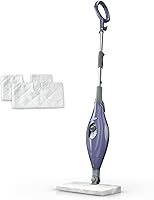
The Shark model is described for sealed hard floors, including vinyl, but your exact LVP warranty still controls. It has a 15.2 fl oz capacity, heats in 30 seconds, weighs 4.9 lb, and includes 2 washable double-sided microfiber pads.
Its swivel steering and double-sided pads can make routine floor cleaning easier when steam is allowed. For a head designed to reach corners, see our guide to a steam mop with a triangle head.
If your LVP instructions prohibit steam, use this model only on other approved sealed surfaces.
The BISSELL model is made for sealed hard floors such as sealed hardwood, tile, ceramic, granite, and marble. Read our Bissell PowerFresh 1940 review for a closer look at its features.
It has a 16 fl oz removable tank, a 23 ft power cord, 3 steam settings, and a 12 in cleaning path.
The variable settings may help match steam output to different messes on allowed surfaces. They do not make steam suitable for LVP if your flooring care instructions exclude it.
The LABIGO Steam Cleaner has a 350 ml tank, 2 steam levels, a 10-second heat-up time, and a detachable handheld design. Its listed surface recommendations include floors, windows, carpets, tile, hardwood, sofas, clothing, grills, and car accessories.
Its broader attachment set may suit someone who cleans more than floors. The machine reaches 248°F steam, so extra care matters around LVP seams and any surface whose manufacturer limits heat.
Is a Shark steam mop safe for LVP?
A Shark steam mop is safe for LVP only when your flooring manufacturer allows steam. Shark describes the S3501 for sealed hard floors, including vinyl, but that general surface guidance cannot replace your LVP brand's care instructions.
The S3501 is listed for sealed hardwood, marble, tile, stone, laminate, and vinyl. That list covers many sealed surfaces, yet LVP care rules can be narrower than appliance guidance.
See our focused guide to using a Shark steam mop on hardwood floors for the same question on another flooring type. The key rule remains the same: follow the flooring maker's instructions before the steam mop brand's broad surface list.
Can steam mops be used on vinyl floors?
Some vinyl flooring may have different instructions from LVP, so check the exact product before using steam. Vinyl sheet, vinyl tile, and luxury vinyl plank can differ in construction, seams, finish, and warranty terms.
Our guide to can steam mops be used on vinyl floors explains why the word “vinyl” alone is not enough to decide. Identify the flooring type and read its care guide.
Do not assume that a steam mop labeled for vinyl is suitable for every vinyl floor. The flooring manufacturer may set a narrower rule than the appliance brand.
How do you clean LVP without damaging it?
Vacuum or dry mop first, damp mop second, and dry any leftover moisture. This simple order removes grit while keeping water and cleaner away from seams for as little time as possible.
Use a soft microfiber pad and change it when it picks up visible dirt. Work in small sections so you can notice standing water, streaks, or residue before moving on.
Keep the mop damp, not dripping. If the floor stays wet after cleaning, use less liquid and improve airflow until the surface is dry.
For other cleaning questions, our guide to Can Car Vacuum Cleaner Be Used At Home? explains where a compact vacuum can help with loose dirt. Our guide to Can A Carpet Cleaner Be Used As A Vacuum? covers why different floor machines should not be treated as interchangeable.
What is the final rule for steam mop LVP use?
Skip steam on LVP unless the flooring manufacturer clearly approves it in writing. Pick a dry vacuum and lightly damp microfiber mop for routine care, then use a flooring-approved cleaner when needed.
If steam is allowed, choose the product that fits the approved job. The Shark suits readers who want a lighter 4.9 lb mop and double-sided pads, BISSELL suits users who want 3 steam settings and a 23 ft cord, and LABIGO suits people who need a detachable multi-surface tool.
If you want to avoid a power cord, compare cordless steam mops.
For most LVP owners, the safer decision is simple: protect the seams, limit moisture, and follow the exact flooring care instructions.
Frequently asked questions
Can steam mops be used on LVP?
Usually, no. Many LVP care instructions warn against steam because heat and moisture can enter plank seams or affect the surface and adhesive.
Use a damp microfiber mop instead unless your flooring manufacturer specifically approves steam for your exact product.
What happens if you use a steam mop on LVP?
Steam may force moisture into seams, soften adhesive, curl plank edges, dull the wear layer, or leave cloudy marks. Damage can happen gradually, so a floor that looks fine after one cleaning does not prove that steam is safe for regular use.
What is the safest way to clean LVP?
Remove loose dirt with a vacuum or dry microfiber mop, then use a lightly damp microfiber mop with a cleaner approved for your flooring. Avoid soaking the floor, abrasive pads, wax, polish, and strong chemicals that can leave residue or damage the finish.
Can you use a steam mop on waterproof vinyl plank flooring?
Waterproof describes resistance to spills from above, not automatic protection from pressurized heat and moisture at plank seams. Check the flooring warranty and care guide before using steam, because waterproof LVP can still have restrictions on steam cleaning.