How to Choose a Steam Mop with a Triangle Head
Choose a steam mop with a triangle head when corner access matters most. Compare the head shape, swivel movement, sealed-floor compatibility, water capacity, heat-up time and cord reach before you buy.
On this page (7 sections)
- What should you look for in a steam mop with triangle head?
- Which steam mop features help in corners?
- Do steam levels matter for different floor areas?
- Is a small tank better for a triangle steam mop?
- How should you use a triangle steam mop?
- How do you care for steam mop heads?
- Which steam mop should you choose?
A steam mop with triangle head suits corners, narrow edges and confined floor areas. Before buying, compare head access, swivel movement, sealed floor use, steam control, water capacity, heat up time and cord reach.
A pointed front can reach farther into a corner than a broad rectangular pad. It does not clean better alone, since pad coverage, floor condition and your cleaning pattern still matter.
Dirt often gathers near furniture legs, bathroom edges and skirting lines. A wide head may miss those spots, while a pointed front can get closer if you work slowly.
Floor type matters as much as head shape. Steam mops are meant for compatible sealed hard floors, so check your finish first.
Unsealed or delicate surfaces may need a different method.
A compact head helps in tight spaces, yet it may need more passes across a large open floor. Balance corner access against coverage for the rest of the room.
Swivel movement affects daily use. A smooth joint helps you steer around tables, chairs and door frames without twisting the handle.
Comfort also matters, so test the feel if you can.
Water capacity and heat up time shape how often you stop. A smaller tank keeps the mop lighter, while a larger tank can reduce refills.
Quick heat up helps with spills, but slow, even passes are still needed.
Cord reach can make a session feel interrupted or smooth. A longer cord allows fewer outlet changes, while a short cord can pull at the handle.
Plan around your outlets before moving furniture.
Pad care should be weighed early. Washable pads can be reused, but they still need washing and drying between sessions.
A clean pad keeps steadier contact and helps avoid spreading residue.
For a wider overview of steam systems, start with our steam cleaner buying guide. If your home has mostly open tile or wood floors, compare the options in our guide to the best steam mop for hard floors.
Use those guides to set expectations about head shape and floor care. Then narrow your choice by the corners, edges and routines that shape your cleaning week.
What should you look for in a steam mop with triangle head?
The most important feature is a head shape that matches your floor layout. Look for a pointed front, useful swivel movement and a pad that stays in contact with the floor around furniture.
Check these points before choosing:
- Head access: A triangle head is useful for corners, narrow gaps and edges.
- Swivel movement: A moving joint can help you steer around furniture and room boundaries.
- Sealed floor support: Steam mops are intended for compatible sealed hard floors, not every floor material.
- Steam control: Multiple levels let you match steam output to the cleaning task.
- Water capacity: Larger tanks may reduce refills, while smaller tanks can keep the mop lighter.
- Heat up time: Faster heating helps when you want to clean a small spill or one room.
- Cord reach: A long cord reduces outlet changes during floor cleaning.
- Pad care: Washable microfiber pads reduce the need to replace a pad after every use.
A triangle head is not the only useful design. A rotating head can improve direction changes, so compare our guide to the best steam mops with rotating heads if steering matters more than the pointed shape.
Head access deserves a close look first. A pointed front can enter a corner, but a narrow head covers less floor per pass.
For rooms with many corners and little open space, that trade off often works in your favor.
Swivel movement matters around obstacles. A smooth joint lets the head follow your handle direction, while a stiff joint can force sideways pushing.
Loose steering may also make the pad lift at the edges during a turn.
Sealed floor support is a basic check. Confirm that your floors are sealed and that steam suits their finish.
If guidance is unclear, a gentler method may protect the surface better.
Steam control helps you match output to the task. Lower steam can suit routine refreshes, while higher steam may help with stuck on residue.
More settings do not remove the need to follow floor care guidance.
Water capacity affects weight and stopping points. A small tank is easier to carry upstairs, while a larger tank suits longer sessions.
Think about your biggest single room, not only the whole home.
Heat up time shapes convenience for short jobs. A fast heat up helps with a spill in the kitchen or entryway, but a slow start can discourage quick use.
Even with fast heat, allow the mop to reach the right temperature first.
Cord reach changes how you move through a room. A long cord can reduce outlet changes, yet it needs managing so it does not cross the hot head.
Shorter cords may suit small rooms where one outlet is enough.
Pad care affects results over time. Washable microfiber pads need cleaning after use and time to dry before the next session.
A pad that stays dirty can spread soil, so build washing into your routine.
Which steam mop features help in corners?
Swivel steering and a compact head help most in corners. The mop should turn without forcing the handle sideways, and the pad should reach close to the edge without making you scrape walls or furniture.
A pointed head can fit into spaces where a broad rectangle leaves an unused wedge. You still need to move slowly and keep the pad flat so steam and moisture are distributed across the floor.
Cord management also matters. A long cord can help you work around a room without stopping, but keep it away from the hot mop head and your walking path.
If you want to avoid cord management, compare cordless steam mop options.
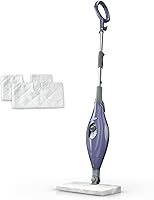
Shark Steam Pocket Mop with 2 Washable
The Shark Steam Pocket Mop S3501 suits buyers who want a lightweight corded mop with swivel steering and two-sided washable pads. It weighs 4.9 lb, heats in 30 seconds and has a 15.2 fl oz capacity.
Its rectangular mop head is not a triangle, so it may suit buyers who value maneuverability and pad coverage more than pointed corner access. Shark describes it for sealed hardwood, marble, tile, stone, laminate and vinyl floors.
The two double-sided pads let you flip the head and continue cleaning before washing the pads. The long power cord can also help you cover more floor without changing outlets often.
Do steam levels matter for different floor areas?
Steam control matters when one room has several cleaning needs. Lower output can suit routine cleaning, while higher output may help with tougher residue, but always follow the floor maker's care guidance.
A steam mop with triangle head is often bought for edges and corners, yet the rest of the floor still affects your choice. A compact head may improve access while taking more passes across a large open room.
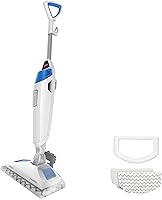
BISSELL Steam Mop 1940A PowerFresh Floor Steam
The BISSELL PowerFresh 1940A suits buyers who want three steam settings, a 16 fl oz tank and a built-in scrubber for sealed hardwood, tile, ceramic, granite and marble.
Its 12 in cleaning path can cover open floors efficiently, while the flip-down scrubber helps with dried-on messes and grout buildup. It heats in 30 seconds and uses reusable washable microfiber mop pads.
The head is not described as triangular, so choose it when variable steam and scrubbing support matter more than a pointed front. Its 23 ft cord can be useful in rooms where outlets are spread apart.
The wider path suits buyers with open tile or sealed hardwood areas where a narrow head would need too many passes. It can move across a kitchen or living room in broader strokes, which saves time on routine cleaning.
The flip-down scrubber adds a useful option for grout lines and dried spots. You can use it for the areas that need more attention, then return to normal mopping for the rest of the floor.
Three steam settings let you adjust output for light refreshes and tougher messes. That flexibility can help when one session includes both everyday dirt and a stuck-on spill in another area.
The 16 fl oz removable tank is practical for refilling at the sink. It supports a longer session than a very small tank, but the added water also adds weight as you carry the mop.
At 6.2 lb, this model is heavier than a very light mop, so consider stairs and storage height. The trade-off is a broader cleaning path, a longer cord and extra scrubbing support.
The 23 ft power cord can help in larger rooms or connected spaces. You may still need to watch cord placement around furniture, since a long cord can cross the cleaning path.
Reusable washable microfiber pads support everyday cleaning without changing a pad after each use. Wash and dry them after sessions so they are ready for the next time you need them.
Is a small tank better for a triangle steam mop?
A small tank can make a steam mop easier to carry, but a larger tank may reduce refill stops. Match capacity to the area you clean in one session rather than choosing the biggest tank automatically.
For a single bathroom, entryway or kitchen, quick heating and easy handling may matter more than maximum capacity. For several rooms, compare tank size with weight, cord reach and pad changes.
Never add cleaning chemicals unless the product instructions allow them. LABIGO warns that chemical cleaners may block its steam nozzle.
LABIGO Steam Cleaner
The LABIGO Steam Cleaner suits buyers who want a detachable handheld design with 10-in-1 use across floors, windows, carpets, sofas, clothing, grills and car accessories. For painted surfaces, see using a steam cleaner on walls.
It has a 350 ml tank, 1,200 watts, a 10-second heat-up time and two steam levels.
LABIGO says the tank provides up to 12–15 minutes of continuous cleaning per fill. The package includes a carpet glider, handheld pod, mop head, three extension pipes, brushes, nozzles, a window cleaner, washable microfiber pads and other cleaning tools.
Check whether a steam mop can be used on carpet before using the glider.
This model can suit buyers who want more than a floor mop, but its handheld format may be less direct for someone seeking only a dedicated triangle floor head. Compare steam mops and steam cleaners to choose between the formats.
The 4 m power cord and auto shut-off alert are useful details for longer cleaning sessions.
How should you use a triangle steam mop?
Use a triangle steam mop by vacuuming or sweeping first, filling it with water as directed, waiting for heat up and moving the head slowly across compatible sealed flooring. Pre cleaning removes loose grit that can otherwise spread under the pad.
Start by removing loose dirt from the floor. A quick sweep or vacuum picks up crumbs, hair and grit that steam alone would push around.
This step also helps the pad make steadier contact with the surface.
Next, check that the floor is sealed and suitable for steam. Steam can harm some finishes, so follow the floor maker guidance before you begin.
If the floor is not approved for steam, choose a different cleaning method.
Fill the tank according to the product instructions. Use plain water unless the instructions allow another option, and do not overfill.
Attach a clean pad before heating so the mop is ready when steam starts.
Let the mop heat up fully before you move it across the floor. Starting too soon can leave areas under cleaned, while waiting too long can waste time.
Test steam in a less visible area if the floor care guidance allows it.
Work from the far corner toward the exit. This order helps you avoid walking over cleaned areas and keeps the cord from dragging across the floor behind you.
Keep passes slow and overlapping where needed.
Guide the pointed end into corners without forcing the handle. Let the swivel do the turning, and keep the pad flat as you move into narrow spots.
If the head will not reach, adjust your stance and the position of the cord.
Stop if the floor stays visibly wet. Excess moisture can be hard on sealed finishes and can make grip slippery.
Reduce steam if settings allow, or move more quickly in small sections while still keeping contact.
After cleaning, remove and wash the pad. Let the pad dry fully before storage, and empty the tank as directed.
Store the mop in a dry place with the head protected from damage.
Steam does not replace all floor care. Dried residue may need repeated passes or a compatible scrubber, while delicate finishes may require a different cleaning method.
If you are comparing steam cleaning with vacuuming, read How To Choose A Vacuum Cleaner? and How To Use A Steam Vacuum Cleaner? before choosing a machine.
How do you care for steam mop heads?
Clean and dry the pad after each session, then inspect the head for trapped grit or residue. Washable microfiber pads should be cared for according to the product instructions so they continue to make even contact with the floor.
Replace or clean a pad when it becomes heavily soiled. A dirty pad can spread residue instead of lifting it.
Washing the pad after use helps remove soil that steam loosens during cleaning. A clean pad grips the floor more evenly and can pick up residue instead of moving it to a new spot.
Drying the pad fully matters for storage and for the next use. A damp pad left in a closed space can develop odor, so air it out before you put it away.
Check the care instructions for washing and drying details.
Inspect the head each time you change the pad. Grit, hair or dried residue can sit in the pad pocket or around the edges.
Clearing that buildup helps the pad sit flat and keeps steam flow from being blocked.
Look at the pad for wear as well as dirt. Thin spots, frayed edges or a loose fit can reduce contact with the floor.
When the pad no longer sits well, cleaning alone may not restore good results.
Do not keep using a pad that is loaded with soil. Flip or change it during a session if the product design allows, especially after a heavily soiled area.
This habit helps you avoid spreading grime across clean sections.
Store the head in a clean, dry place after the pad is washed. Keep the mop away from direct heat and protect the pad pocket from knocks.
A few minutes of care after each session can make the next session easier.
If the head wears out or you need a different shape, read our guide to steam mop heads before buying a replacement. Confirm that the replacement matches the mop model and attachment system.
Which steam mop should you choose?
Choose a steam mop with triangle head when corner access is your main concern and your floors are compatible with steam. Compare steam mops on sale before choosing a model.
Choose the Shark when low weight, swivel steering and two-sided pads matter, the BISSELL when you want three steam settings and a built-in scrubber, or the LABIGO when you want a detachable 10-in-1 cleaner for floors and other surfaces.
Start with your floor layout. If corners, narrow gaps and edges take up much of your cleaning time, a triangle head may suit you best.
If open floors dominate, a wider head may cover the room more efficiently.
Check sealed-floor compatibility before you compare other features. Steam is not right for every finish, and the wrong match can damage the floor.
Your floor care guidance should come before watermarks, settings or attachments.
Match steam control to your usual messes. A model with several settings can handle light refreshes and tougher spots, while a simpler mop may suit routine cleaning.
More settings help only if you will use them in real sessions.
Think about tank size, weight and cord reach together. A larger tank can reduce refills, but it adds weight when full.
A longer cord can reduce outlet changes, yet it needs care around furniture and the hot head.
Pad care should fit your routine. Washable pads reduce waste, but they need washing and drying between uses.
If you often clean large areas, flipping or changing a pad mid-session may matter more than a pointed front.
For the Shark, low weight and two-sided pads make it a fit for buyers who value easy carrying and fewer pad washes. The BISSELL suits buyers who want variable steam and scrubbing help for grout and dried messes.
The LABIGO suits buyers who want one detachable tool for floors and other household surfaces.
Whichever model you choose, compare the head shape first. Then check steam control, pad care, cord reach and the product's approved surfaces before you decide.
Frequently asked questions
Is a triangle head better for cleaning corners?
A triangle head can reach into corners and narrow floor areas more easily than a wide rectangular head. It is most useful when your rooms have many corners, furniture legs or tight edges.
Compare the head shape with the spaces you clean most often, since a rectangular head may cover open floors faster.
Can you use a steam mop on hardwood floors?
Use steam only on hardwood floors that are sealed and approved for steam cleaning. Moisture and heat can damage some finishes or unsealed wood, so check the floor care instructions first.
Our guide to using a Shark steam mop on hardwood floors explains the main precautions.
How much water capacity does a steam mop need?
Choose water capacity based on the size of your cleaning area and how often you want to refill. A 15.2 fl oz or 16 fl oz tank suits regular floor cleaning, while a 350 ml tank can provide up to 12–15 minutes of continuous cleaning per fill according to LABIGO.
Is a cordless steam mop better for corners?
Cordless movement can make it easier to work around furniture and tight corners, but corded models provide continuous power during a cleaning session. Compare battery details when available, then read our cordless steam mop guide if outlet access is your main concern.