Can Steam Mops Be Used on Laminate Floors?
Yes, some steam mops can be used on laminate floors, but only when the floor maker allows it and you use low moisture. Check your laminate warranty and care guide first, use a dry pad, and stop if you see wet edges or swelling.
On this page (9 sections)
- How laminate is built and why water matters
- Can steam mops be used on laminate floors safely?
- What do floor makers say about steam cleaning?
- Which products suit laminate floors best?
- How should you steam laminate without soaking it?
- When should you skip steam and use another method?
- How does laminate care differ from vinyl and LVP?
- What mistakes damage laminate floors?
- Can steam mops be used on laminate floors: final rule
Yes, can steam mops be used on laminate floors? Sometimes, but only on floors that allow steam and only with careful, low moisture use.
The safe answer depends on your exact laminate type, its finish, and the rules in your floor care guide.
That first check matters more than the mop brand. Laminate is not solid wood, and it does not handle water the same way.
A short, dry pass may refresh a sealed surface, while a wet pad can push moisture into seams and edges.
How laminate is built and why water matters
Laminate floors have a printed image layer, a wear layer, and a fiberboard core with a backing layer. The top layer resists scratches and stains, but the core reacts badly when water gets in.
Seams are the weak point. Water can enter at joints, around vents, near sinks, and at door thresholds.
Once inside, the core can swell, cup, or feel spongy underfoot.
Heat adds a second risk. Steam can soften some finishes and make a floor look dull over time.
That risk grows when you hold the mop in one place or use high steam on a floor made for light cleaning only.
You should also check how your laminate is sealed. Water resistant laminate still has seams, and a water resistant label does not mean soak proof.
Steam use must match the care guide, not just a general claim about hard floors.
Can steam mops be used on laminate floors safely?
Steam mops can be used on laminate floors when the floor maker allows steam, the pad is barely damp, and you keep the mop moving. Use the lowest steam setting, cover the whole floor in one light pass, and let the surface dry without puddles.
Start in a hidden area, such as under a rug or behind a door. Check for shine change, seam swelling, or a sticky feel after the area dries.
If anything changes, stop and use a different cleaning method.
Keep the pad clean during the job. A dirty pad drags grit across the finish and holds more water than it should.
Flip or swap the pad when it looks loaded, and never let a saturated pad sit on the floor.
A steam cleaner can help you control that moisture. Look for clear steam levels, a pad that does not drip, and a head that lets you lift steam between passes.
What do floor makers say about steam cleaning?
Floor makers do not all agree, so your own floor guide controls the decision. Some allow a steam mop with a dry pad, some allow only a specific tool, and some ban steam for the life of the warranty.
Check the pack label, warranty card, and online care page for your floor model. Search for your floor name plus steam, moisture, and cleaning limits.
Save the page or print the key lines before you clean.
This is also where a steam mop on laminate floors needs extra care. A mop may say it suits sealed hard floors, but your laminate guide may still ban steam.
The floor guide wins in that conflict.
If the guide is vague, choose the safer path. Use a damp microfiber mop, wring it out well, and dry the floor as you go.
That method cleans most laminate without the heat risk.
Which products suit laminate floors best?
The best choice is a mop with low steam, a dry pad, and quick shutoff control. You want short passes, light weight, and a pad you can swap before it gets soaked.
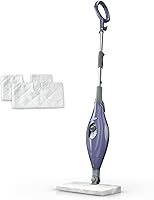
The Shark Steam Pocket Mop S3501 weighs 4.9 pounds and heats in 30 seconds. It includes two washable double sided microfiber pads, a filling flask, and swivel steering for tight turns around furniture.
Shark says it is designed for all sealed hard floors, including laminate and vinyl. For laminate use, flip to the dry side of the pad often and keep passes brief.
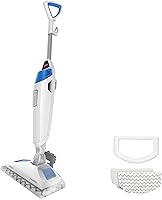
The BISSELL PowerFresh 1940A has a 16 fluid ounce tank, a 23 foot power cord, and a 12 inch cleaning path. It offers three steam settings and a flip down Easy Scrubber for dried on spots.
Bissell says it is designed for sealed hardwood, tile, ceramic, granite, and marble. Use the lowest setting on laminate and avoid the scrubber on delicate finishes unless your floor guide allows it.
The LABIGO Steam Cleaner heats in 10 seconds and reaches 248 degrees F with a 350 ml tank. It includes a mop head, carpet glider, brushes, nozzles, and washable microfiber pads.
Its two level steam control helps on small spots, but the many attachments can tempt you to use too much steam. Keep it for grout lines, your best steam mop for hard floors backup tasks, and short spot passes on laminate that allows steam.
How should you steam laminate without soaking it?
Use a dry pad, low steam, steady motion, and one pass per area. Fill the tank with water only, preheat the mop, and test the pad on a hidden strip first.
Vacuum first with a hard floor setting. Grit is the main cause of scratches during steam mopping.
A vacuum made for hard floors, such as the one in What Is the Best Vacuum for Laminate Floors?, can lift loose dirt before steam touches the finish.
Move the mop at a slow walking pace. Do not park it on a spill, and do not go over the same seam three times.
Lift the head often so steam can escape instead of building up under the pad.
Dry the floor right after each pass with a clean microfiber cloth if you see shine or damp patches. A dry floor within a few minutes is a good sign.
A wet sheen that lasts or pools at seams means you used too much water.
When should you skip steam and use another method?
Skip steam when your floor guide bans it, when seams already swell, or when the finish looks worn. A worn wear layer can let moisture reach the core faster.
Choose a microfiber mop with plain water for routine care. Add a cleaner only if your floor maker names it as safe.
Many laminate floors need very little soap, and extra residue can attract dirt.
A steam mop on laminate floors also makes less sense near entry mats, kitchen sinks, and bathroom doors. Those spots get the most water already, and extra steam can stress edges that are already raising.
If you want a deeper clean, use steam on tile, sealed stone, or sealed hardwood instead. Those floors handle heat and moisture better when their seals are intact.
How does laminate care differ from vinyl and LVP?
Laminate needs more caution than vinyl or LVP because its core can swell. Vinyl has a plastic wear layer and a plastic core, so surface water usually causes less damage.
LVP uses a rigid plastic core, which also resists water better than fiberboard.
That does not make steam safe on every vinyl floor. Seams, adhesive, and printed layers still need care.
Our guide on can steam mops be used on vinyl floors explains the vinyl limits in more detail.
For LVP, check can steam mops be used on lvp before you clean. Some LVP makers allow low steam, while others ban it to protect the finish and seams.
Use this rule: laminate gets the strictest test, vinyl gets a moderate test, and LVP still needs a floor maker check. When in doubt, pick the drier method and save steam for floors made for it.
What mistakes damage laminate floors?
The top mistakes are soaking the pad, parking the mop, and ignoring floor limits. Each one sends more water or heat into seams than the floor can handle.
Never add soap, vinegar, or scent discs unless your mop and floor guides both allow them. Residue can dull the finish, and some additives can clog steam parts.
Plain water is the safer default for steam cleaning.
Do not use a carpet glider on laminate. That tool is made to lift steam through carpet, and it can trap heat against a hard floor finish.
Remove it and use the flat mop head only.
Watch for early warning signs after each use. Raised seams, edge swelling, cloudy patches, and a change in shine all mean you should stop steam cleaning that floor.
Dry the area, then check the care guide again.
If you already use a car tool at home for spot messes, read Can Car Vacuum Cleaner Be Used At Home? before you swap tools. A handheld steamer or vacuum can suit small jobs, but floor care still needs the right pad and setting.
Can steam mops be used on laminate floors: final rule
Use steam on laminate only when your floor guide allows it, and keep every pass short and dry. That rule protects the core, the seams, and the finish at the same time.
Pick the Shark if you want a light mop with washable double sided pads for quick sealed floor care. Pick the BISSELL if your sealed floor allows steam and you need three settings plus a scrubber.
Pick the LABIGO if you mainly need a handheld unit for spots and small tasks.
For a brand specific check, read shark steam mop on laminate floors before you buy. Then confirm your floor maker allows steam, test a hidden area, and stop at the first sign of swelling or shine loss.
Frequently asked questions
Is a steam mop good for laminate floors?
It can be in short passes when your floor maker allows steam and the mop stays nearly dry. Risk rises with soaking pads, sealed edges that trap water, and repeated passes in one spot.
A quick mist setting works better than a wet mop setting.
Can I use a steam mop on all laminate floors?
No. Some laminate makers ban steam, and some allow only specific low steam tools.
Check the care guide for your exact floor before you start.
If steam is banned, use a damp microfiber mop and dry the floor right away.
What should I do if laminate swells after steam?
Stop steaming that area and dry it with a clean towel. Light surface moisture may settle after drying, but raised seams often mean water entered the core.
Contact the floor maker if seams stay raised or the finish looks cloudy.