Can You Use a Steam Mop on Carpet?
You can use a steam mop on carpet only when the manufacturer approves carpet use and supplies a carpet glider. Steam refreshes some carpets, but it does not replace deep extraction for stains, soil, or pet messes.
On this page (9 sections)
- Can you use a steam mop on carpet safely?
- What is a carpet glider, and why does it matter?
- Which carpet fibers can handle steam?
- When is a steam mop better than a carpet cleaner?
- Is the BISSELL PowerFresh steam mop suitable for carpet?
- Can a handheld steam cleaner work on carpet?
- How should you use a steam mop on carpet?
- What cleaning problems can steam not solve?
- Should you use a steam mop on carpet?
You can use a steam mop on carpet only when the manufacturer approves carpet use and supplies a carpet glider. Compare steam mops and steam cleaners when choosing the tool for other jobs.
Steam may refresh some carpet surfaces, but it does not replace a machine that sprays cleaning solution and extracts dirty water.
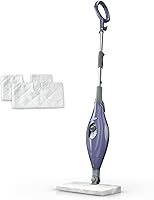
A steam mop is mainly designed for hard floors. Its heated pad can loosen light surface soil, but carpet needs the right heat level, limited moisture, and enough airflow to dry before the area is used again.
Can you use a steam mop on carpet safely?
Use a steam mop on carpet only with an approved carpet glider and compatible carpet fibers. The glider helps the mop head move over the pile, but it cannot correct a wrong temperature, too much steam, or a carpet that should not be exposed to heat.
Start by reading both the carpet care label and the steam mop instructions. For broader carpet guidance, see steam cleaners on carpets.
If either source warns against steam, do not use it.
Test a hidden corner first. Look for color transfer, flattening, browning, rippling, a sticky feel, or a change in the pile after the area cools and dries.
Keep the mop moving instead of holding it in one place. Short passes reduce the chance of saturating the backing or heating one patch too long.
What is a carpet glider, and why does it matter?
A carpet glider is an attachment that lets a steam mop slide over carpet. It creates a smoother path for the mop head and helps prevent the microfiber pad from catching directly on the pile.
A glider does not provide suction. Steam can loosen soil, but the mop does not normally collect the dirty water that comes out of the carpet.
That limit matters for tracked-in dirt, oily residue, drink spills, and pet accidents. Those problems often need a method that removes liquid and soil rather than moving a damp pad across the surface.
If you are comparing cleaning methods, our guide to carpet cleaner vs steam cleaner explains the difference between steam refreshment and water extraction.
Which carpet fibers can handle steam?
Carpet fiber compatibility decides whether steam is a reasonable option. Synthetic carpet may tolerate controlled steam in some cases, but the exact fiber, backing, dye, construction, and care instructions still matter.
Nylon, polyester, and polypropylene carpets can have different care limits. A carpet's surface may appear heat-safe while its backing or adhesive is more sensitive to moisture.
Natural fibers such as wool require extra caution. Heat and water can change their shape, color, or texture, so follow the rug or carpet manufacturer's instructions before using any steam tool.
Avoid guessing from appearance. If you cannot identify the fiber or the care instructions are missing, choose a low-moisture method designed for the surface.
When is a steam mop better than a carpet cleaner?
A steam mop is better for a light refresh when the carpet is compatible and the surface is not deeply soiled. A carpet cleaner is better when you need to remove stains, embedded dirt, or pet messes.
A carpet cleaner sprays liquid, works it into the surface, and pulls up dirty moisture. That process is different from passing a hot pad over the carpet.
The BISSELL Little Green Multi-Purpose Portable Carpet Cleaner, 1400B is built for smaller carpet, upholstery, and car-interior messes. Its 48 oz clean water tank and spray, scrub, and suction approach suit spot cleaning when a steam mop cannot remove dirty liquid.
Use a carpet cleaner when a spill has soaked below the surface or when odor and residue remain after blotting. Allow the cleaned area to dry fully before replacing furniture or walking over it.
For more options, see our guide to best steam cleaner for carpet and upholstery, while keeping in mind that steam tools and carpet extractors solve different problems.
Is the BISSELL PowerFresh steam mop suitable for carpet?
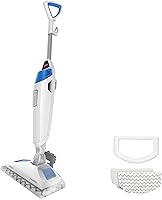
The BISSELL PowerFresh 1940A is designed for sealed hard floors, not general carpet cleaning. Its listed surface recommendation is floor, and its features focus on sealed hardwood, tile, ceramic, granite, and marble.
It has 3 steam settings, a 12 in cleaning path, a 23 ft power cord, a 16 fl oz water capacity, and a heat time of 30 seconds. Those details make it a hard-floor steam mop rather than a carpet extractor.
Do not assume that a steam mop can clean carpet just because it produces steam. Use this model on carpet only if current instructions specifically approve the surface and identify the correct attachment.
If you own a Shark model, our guide to shark steam mop on carpet covers the same attachment and surface-compatibility question.
Can a handheld steam cleaner work on carpet?
A handheld steam cleaner can be useful for small carpet areas only when the surface and attachment are approved. For painted surfaces, see using a steam cleaner on walls.
Its flexible accessories may help with edges, upholstery, pet beds, or spot treatment, but the tool still needs controlled moisture and safe fiber contact. For steam use on upholstery, see steam cleaner upholstery instructions.
For model-specific handheld instructions, see Bissell handheld steamer instructions.
The Dupray Neat Steam Cleaner for Home, Essential Pack reaches up to 275°F and includes 17 multipurpose accessories. The kit includes a triangle tool, microfiber bonnet, microfiber cloth, 3 microfiber pads, nylon brushes, a brass brush, a floor tool, and a steam lance.
Its 54 fl oz tank volume and stated 50-minute continuous steam run time support longer cleaning sessions, but more steam is not automatically better for carpet. Use the lowest effective output and keep the nozzle or tool moving.
A handheld tool may suit a small rug edge or a limited spot. It is not a substitute for extraction across a large room.
Our guide to the best handheld steam cleaner for carpet can help you compare attachment types and surface limits.
How should you use a steam mop on carpet?
Vacuum first, test a hidden area, attach the approved glider, and use short moving passes. Keep the steam level low enough to avoid soaking the carpet.
- Vacuum loose dirt and hair from the carpet.
- Read the carpet and steam mop care instructions.
- Test a hidden section and let it dry fully.
- Attach the approved carpet glider if one is supplied.
- Select the lowest suitable steam setting.
- Move in short passes without stopping.
- Open windows or improve airflow so the carpet dries.
- Check the pile, color, backing, and smell before using the area normally.
Do not add carpet detergent to a steam mop water tank unless the instructions specifically allow it. For disposable pad questions, see can you use disposable pads on a steam mop.
Never use a steam mop to hide a wet pet accident. Blot the spill, remove solid material, and choose a suitable carpet-cleaning method for the remaining stain and odor.
What cleaning problems can steam not solve?
Steam does not remove every carpet problem because it has no dirty-water recovery by itself. It may loosen surface soil, but embedded residue can remain in the fibers or backing.
A steam mop is a poor fit for large wet spills, greasy stains, heavily soiled traffic lanes, and recurring pet accidents. Those jobs need careful stain treatment, agitation, and extraction.
For pet stains, compare which is better a carpet cleaner or a steam cleaner for pet stains. The right choice depends on whether you need surface refreshment or removal of liquid and residue.
A steam vacuum cleaner may combine steam with suction, but the exact tool design still matters. See how to use a steam vacuum cleaner before treating carpet with one.
Should you use a steam mop on carpet?
Use a steam mop on carpet only for a compatible surface, with an approved carpet glider and careful moisture control. Choose a carpet cleaner when you need to lift stains, pet messes, or embedded dirt from the fibers.
The BISSELL PowerFresh suits sealed hard floors. The Dupray Neat suits approved detail work across multiple surfaces, while the BISSELL Little Green suits small carpet and upholstery messes that need spray, scrub, and suction.
Choose the tool by the problem: steam for a controlled refresh, extraction for dirty liquid and stains, and gentle care methods for delicate or unknown fibers.
Frequently asked questions
Can you use a steam mop on carpet?
You can use a steam mop on carpet only if its instructions approve carpet cleaning and the correct carpet glider is available. Test a hidden area first, use the lowest suitable steam setting, keep the mop moving, and stop if the carpet becomes overly wet, changes color, or develops a texture change.
What does a carpet glider do on a steam mop?
A carpet glider fits over the mop head so the steamer can move across carpet instead of gripping the fibers like a hard-floor mop. It helps spread contact, but it does not make every steam mop safe for carpet or turn steam into a deep carpet extraction system.
Is steam cleaning good for carpet stains?
Steam can loosen some surface soil and refresh carpet fibers, but it does not remove extracted dirt as a carpet cleaner does. For a stain or pet mess, blot first and use a suitable carpet-cleaning method that sprays, agitates, and removes dirty liquid.
Can steam damage carpet?
Yes, excessive heat or moisture can affect carpet color, backing, adhesive, or texture. Natural fibers and delicate rugs need extra caution, while the carpet manufacturer's care label and the steam mop instructions should decide whether steam is appropriate.