Can You Use a Steam Cleaner on Walls?
You can use a steam cleaner on some walls, but only after checking the finish and testing a hidden spot. Heat and moisture can soften paint, loosen wallpaper, stain drywall, or force water into damaged areas.
On this page (9 sections)
- Which walls can you clean with a steam cleaner?
- When should you avoid steam on walls?
- How do you test a steam cleaner on walls?
- How should you steam-clean a wall?
- Which steam cleaner works best for wall cleaning?
- How does moisture damage paint and drywall?
- Can steam remove grease, marks, or mold from walls?
- What should you do after steam-cleaning a wall?
- Is a steam cleaner on walls worth it?
You can use a steam cleaner on walls only when the wall finish can tolerate heat and moisture. Test a hidden spot first, use short passes, keep the tool moving, and dry the surface immediately.
Steam may loosen grease and surface grime, but it can also soften paint, lift wallpaper, mark drywall, or push moisture into cracks. A wall that looks washable is not automatically suitable for steam.
Which walls can you clean with a steam cleaner?
Sealed, hard, moisture-resistant surfaces are the best candidates for steam cleaning. For shower-specific steps, see our steam cleaner shower guide.
Ceramic tile, some sealed stone, and other nonporous wall surfaces are more suitable than painted drywall or wallpaper.
Use a cloth bonnet or microfiber cloth between the steam and the wall when the tool allows it. For model-specific steps, see Bissell handheld steamer instructions.
The cloth collects loosened dirt and reduces direct heat, but it does not make every finish steam-safe.
A steam cleaner with a hose and smaller tools can be easier to control than a floor mop. Compare steam mops and steam cleaners for the right format.
You can keep the main unit lower and make short passes across tile, grout, or other approved surfaces. For grout-specific advice, see steam cleaner grout advice.
Can you use a steam cleaner on painted walls?
Painted walls require the most caution. Gloss and semi-gloss coatings may tolerate gentle cleaning better than flat paint, but the paint's age, condition, color, and formula still matter.
Do not steam fresh paint. Paint needs time to cure, and heat or moisture during that period may affect the finish.
Avoid steam on peeling, cracked, chalky, bubbled, or soft paint. Steam can enter damaged areas and make the problem worse.
Test near a baseboard or behind furniture. Hold the cloth against the surface briefly, then check for color transfer, tackiness, swelling, dull patches, or a changed sheen.
For general painted-wall care, Benjamin Moore's wall-cleaning guidance is a useful reminder to match cleaning pressure and moisture to the paint finish.
When should you avoid steam on walls?
Skip steam when the wall is porous, damaged, loose, or uncertain. A safer choice is a dry microfiber cloth or a lightly damp cloth with a small amount of mild cleaner approved for the finish.
Avoid using a steam cleaner on:
- Flat or matte paint unless the paint instructions allow it
- Freshly painted surfaces
- Peeling, cracked, blistered, or chalky paint
- Wallpaper, especially loose or delicate paper
- Unsealed drywall or plaster
- Wood paneling without a sealed finish
- Surfaces with water stains or soft spots
- Open cracks, damaged seams, or exposed joint compound
- Areas with electrical outlets, switches, or damaged wiring
Steam is not a substitute for fixing a leak. If the wall is damp, swollen, or stained from water, find and correct the moisture source before cleaning.
How do you test a steam cleaner on walls?
Test the smallest hidden area before cleaning the visible wall. Choose a spot behind furniture, near a trim edge, or in another low-visibility location.
- Remove loose dust with a dry cloth.
- Set up the steamer according to its instructions.
- Use the lowest practical steam level.
- Place a clean microfiber cloth over the tool.
- Make one short pass without holding the tool still.
- Wipe the area dry.
- Wait until the surface is fully dry before judging it.
Look for paint transfer, streaks, softening, bubbling, lifted seams, dull patches, and color changes. If any appear, stop and use a less wet cleaning method.
How should you steam-clean a wall?
Work in small sections from the top down, with light contact and quick passes. Keep the tool moving so one area does not receive concentrated heat.
Dust the wall first. Steam can turn loose dust into muddy streaks if you skip this step.
Use a clean cloth and change it when it becomes damp or dirty. A saturated cloth spreads moisture instead of collecting grime.
Do not spray a wall with continuous steam. Short bursts give you more control and reduce the amount of water reaching the surface.
Wipe each section dry before moving on. Pay close attention to seams, corners, trim, and areas around switches.
Keep steam away from outlets and switches. If you need to clean near them, disconnect power at the appropriate breaker only if you can do so safely, and use a dry method around the electrical hardware.
Which steam cleaner works best for wall cleaning?
A hose-based multipurpose steamer is usually the most practical choice for walls. It can provide a smaller tool, cloth, or extension tube while the main unit stays on the floor.
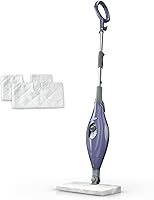
The Shark Steam Pocket Mop has a 15.2 fl oz capacity, a 30-second heat time, swivel steering, and 2 washable double-sided microfiber pads. Its stated surface use is sealed hard floors, so treat wall cleaning as limited to wall materials that the instructions and finish allow.
Its floor-focused design may be less convenient for broad vertical surfaces than a steamer with a hose. Choose it when sealed floors are the main job and wall cleaning is occasional.
The BISSELL PowerFresh 1940A has a 30-second heat time, a 12 in cleaning path, washable microfiber mop pads, and a flip-down Easy Scrubber. Its stated surface recommendation is floor, including sealed hardwood, tile, ceramic, granite, and marble.
The variable steam settings may give you more control than a single-output floor mop, but the upright form still suits floors better than walls. Use it on a wall only when the finish is approved and a cloth-covered tool can be controlled safely.
The Dupray Neat Steam Cleaner reaches up to 275°F, heats in 8 minutes, and includes 17 multipurpose accessories. Its stated uses include walls, windows, grout, sealed floors, carpets, upholstery, appliances, and car interiors.
The hose and extension tube can keep the main unit away from the wall while you work. Its higher heat and larger tank make it more versatile, but they also make careful testing and short passes especially important on painted or finished surfaces.
For setup steps, see our guide to using the Dupray Neat.
How does moisture damage paint and drywall?
Moisture can change the appearance of paint and weaken wall materials. It may leave streaks, soften a coating, loosen a seam, or enter a crack.
Drywall has a paper-facing layer that can react poorly to excess water. Repeated wetting may cause swelling, soft spots, or damage around seams.
Paint can also show uneven sheen after cleaning. A clean patch may look duller or shinier than the surrounding wall, especially on flat finishes.
Use steam for surface grime only when the wall is sound and the finish passes a hidden-spot test. Do not use it to remove deep stains caused by leaks, smoke, or mold without first identifying the cause.
Can steam remove grease, marks, or mold from walls?
Steam may loosen some surface grease and dirt, but it does not make every wall stain safe to clean. Use a cloth to collect residue and stop if the coating begins to change.
For crayon, scuff marks, or kitchen grease, begin with the least wet method that works. A barely damp microfiber cloth is often easier to control than steam.
Do not treat visible mold as a normal cleaning task if it covers a large area, keeps returning, or comes from ongoing dampness. Steam can spread moisture without solving the source.
For pet stains, wall material matters more than the cleaning label. Our guide to which is better a carpet cleaner or a steam cleaner for pet stains explains why surface type should guide the choice.
What should you do after steam-cleaning a wall?
Dry the wall fully and inspect it in normal light. Use a clean, dry microfiber cloth and improve room airflow without directing strong heat at the surface.
Check corners, seams, trim, and the area behind furniture. These spots can hold moisture longer than the open wall.
Wash reusable cloths according to their care instructions. A dirty cloth can leave grease or color behind during the next cleaning job.
For larger cleaning tasks, compare a best multipurpose steam cleaner with the tools and control you need. If you want a floor-first machine, read steam mop vs steam cleaner before choosing a format.
Is a steam cleaner on walls worth it?
Use a steam cleaner on walls only when the finish is sealed, sound, and tested first. Choose a cloth-covered tool, make brief passes, and dry each section as you go.
Pick the Shark or BISSELL when sealed floors are your main task and wall cleaning is occasional. Pick the Dupray Neat when you need a hose, extension tube, and accessories for several approved surfaces.
For more reach and smaller wall tools, compare the best steam cleaner with wand. If you are new to this type of machine, How To Use A Steam Vacuum Cleaner? covers basic setup and handling.
Frequently asked questions
Can you use a steam cleaner on painted walls?
You can use a steam cleaner on some painted walls, but test a hidden area first and use the lowest practical steam setting. Avoid fresh, flat, peeling, cracked, or water-sensitive paint because heat and moisture can change the sheen, soften the coating, or damage the wall surface.
Can steam damage drywall?
Yes, excess steam can damage drywall by adding moisture to the paper surface or seams. Use short passes, keep the cloth moving, and dry the wall right away.
Never steam walls with visible water damage, soft spots, open seams, or mold that needs professional assessment.
Is a steam cleaner safe for wallpaper?
Steam is not automatically safe for wallpaper. Heat and moisture can loosen adhesive, lift seams, fade colors, or wrinkle the paper.
Check the wallpaper and adhesive instructions first, then test an inconspicuous area.
For uncertain finishes, use a barely damp cloth instead.
What is the best steam cleaner for walls?
A multipurpose steam cleaner with a hose, extension tubes, cloths, and controlled steam is usually more useful for walls than a floor-only steam mop. It lets you keep the main unit lower while cleaning with a smaller tool, but the wall finish still determines whether steam is safe.