
How To Use A Steam Vacuum Cleaner?
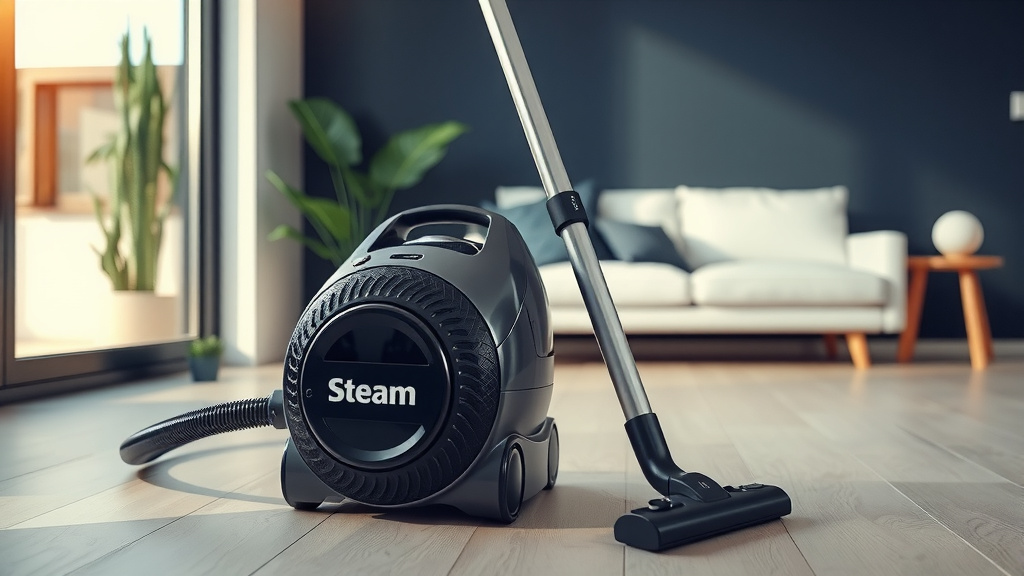
Using a steam vacuum cleaner effectively involves first preparing your surface by vacuuming dry debris, then filling the cleaner with distilled water, selecting the appropriate attachment, and moving slowly to allow steam to penetrate and the vacuum to extract moisture.
A steam vacuum cleaner combines hot steam to sanitize and loosen dirt with powerful suction to remove grime and moisture, offering a deep clean for various surfaces in your home.
- Get started by giving your area a quick dry vacuum first to remove loose bits.
- Fill your steam vacuum with distilled water to protect its inner workings.
- Choose the right attachment for the surface you are cleaning, like a floor tool or upholstery brush.
- Move the machine slowly over the surface, letting the steam do its work to break down dirt.
- Regularly empty the dirty water tank and clean the machine to keep it working well.
Ever wonder how some homes always look sparkling clean, even in those hard-to-reach nooks? Often, the secret weapon is a steam vacuum cleaner. It’s like having a deep-cleaning superhero on standby. If you have one, or are thinking about getting one, you are likely asking: “How do I even use this thing effectively?” Well, you’ve come to the right spot!
You want real results, not just a damp spot on your carpet, right? We understand. Using a steam vacuum cleaner is simpler than you might think, but there are a few pro tips that make all the difference. Think of it as painting a masterpiece; you need the right tools and a gentle hand. Let’s get your home truly clean, together!
How To Use A Steam Vacuum Cleaner?
To use a steam vacuum cleaner, begin by dry vacuuming the area, then fill the tank with distilled water, select your attachment, and apply steam slowly while simultaneously vacuuming the loosened dirt and moisture.
Understanding Your Steam Vacuum Cleaner
Before diving into the fun part, it helps to know your cleaning buddy. A steam vacuum isn’t just a regular vacuum; it uses heated water vapor to loosen stubborn dirt and sanitize surfaces, then vacuums it all away. This dual action is why they are often considered a step above traditional cleaners.
Many experts we found confirm that steam can lift grease, grime, and even some bacteria without harsh chemicals (EPA). This makes it a popular choice for homes with children or pets.
What’s the Big Deal About Steam?
Steam is simply super-heated water, often over 200°F. When it hits a surface, it expands, pushing dirt and grime away. It also helps to kill germs on contact. Imagine boiling water on a stove; the steam you see is quite powerful.
This cleaning power means less scrubbing for you. Isn’t that a delightful thought? We often see people amazed by what their steam vacuum can pick up after they thought a surface was already clean.
Getting Ready: Your Pre-Cleaning Checklist
Just like you wouldn’t paint a wall without priming it, you shouldn’t steam vacuum without a little prep. This preparation step makes a huge difference in your final results. It also helps protect your machine.
- Dry Vacuum First: Always, always, always dry vacuum the area thoroughly before steaming. Steam vacuums are for deep cleaning, not picking up crumbs and pet hair. Skipping this step can clog your machine and make a muddy mess.
- Move Furniture: Clear the space as much as possible. You want full access to the surface you are cleaning. It’s like clearing the stage for a big performance.
- Spot Test: If you are cleaning a new surface or an old one you’re unsure about, do a quick spot test in an inconspicuous area. This checks for colorfastness or any adverse reactions. Better safe than sorry, right?
Filling Your Steam Vacuum: The Water Story
What kind of water goes into your steam vacuum? This is a really important question. The type of water you use directly affects your machine’s longevity and performance.
Always use distilled water. Why? Tap water contains minerals that can build up inside your machine over time, leading to clogs and reduced steam production. It’s like giving your coffee maker hard water; eventually, it struggles.
Some models let you add a specific cleaning solution. If yours does, make sure it’s a solution made for steam vacuums. Using the wrong cleaner can damage your machine or leave sticky residues.
Choosing the Right Attachment for the Job
Steam vacuums usually come with a few handy attachments. Each one has a purpose, a specialty if you will. Using the correct one makes your cleaning task much easier and more effective.
| Attachment Type | Best For | Tips For Use |
|---|---|---|
| Floor Tool/Large Nozzle | Large areas like carpets, sealed hard floors, tile grout. | Move slowly, overlap strokes slightly. |
| Upholstery Tool | Furniture, car interiors, mattresses. | Test in a hidden spot first, work in small sections. |
| Detail Nozzle/Jet Nozzle | Tight corners, crevices, around fixtures, baked-on grime. | Use caution, steam is concentrated and hot. |
| Window/Mirror Tool | Glass surfaces, mirrors. | Use a squeegee motion for streak-free results. |
The Cleaning Dance: How to Steam Vacuum
Now for the main event! Once your machine is filled and the attachment is on, you are ready. Think of it as a methodical dance rather than a frantic scrub. Slow and steady wins the race here.
Powering On and Waiting for Steam
Plug in your machine and turn it on. Most steam vacuums have an indicator light that tells you when the water is hot enough and steam is ready. This usually takes a few minutes, so be patient. You want robust steam, not just warm drips.
Making Your First Pass
Start at one end of the area you are cleaning. Press the steam trigger and pull the vacuum slowly backward toward you. This allows the steam to penetrate the surface and break down dirt. As you pull back, the vacuum should be sucking up the dirty water.
Don’t rush! This is key. A slow, steady motion gives the steam enough time to work its magic. Going too fast means you might leave behind dirt or excess moisture.
Overlapping Strokes and Working in Sections
Overlap each pass by a few inches to avoid missing spots. Work in small, manageable sections. For example, if you are cleaning a carpet, tackle a 3×3 foot area at a time. This keeps you organized and makes sure you don’t over-wet one spot.
For really dirty areas, you might need a second pass without pressing the steam trigger, just to extract more moisture. The goal is to leave the surface as dry as possible.
Don’t Forget to Ventilate!
Steam cleaning introduces moisture into your home. It’s always a good idea to open windows or use a fan in the area you are cleaning. This helps surfaces dry faster and prevents mold or mildew growth. We found that proper ventilation is often overlooked, but it’s super important (CDC).
Post-Cleaning Care: Maintaining Your Machine
Just like any good tool, your steam vacuum needs a little love after each use. Proper maintenance ensures it stays in top condition and performs well every time.
Empty the dirty water tank immediately. You don’t want that stagnant, grimy water sitting around. Rinse both the clean and dirty water tanks thoroughly. Let them air dry completely before storing them.
Quick Maintenance Checklist:
- Empty and rinse tanks after every use.
- Wipe down the exterior of the machine.
- Check and clean attachments for any trapped debris.
- Store in a dry, cool place.
- Periodically check filters (if applicable) and clean or replace them.
Troubleshooting Common Issues
Sometimes, things don’t go exactly as planned. Don’t worry, many common issues have simple fixes.
No Steam or Low Steam Output?
First, check if the water tank is full. Then, make sure your machine has fully heated up. Mineral buildup can also reduce steam. If you suspect this, consult your manual for descaling instructions. Many models have a specific process for this.
Dirty Water Not Being Picked Up?
This often means the suction isn’t working right. Check if the dirty water tank is correctly seated or if there’s a blockage in the suction nozzle. Sometimes, a full dirty water tank is the culprit – time to empty it!
Conclusion
Using a steam vacuum cleaner is a fantastic way to achieve a truly deep clean and sanitize surfaces throughout your home. By following these straightforward steps – from initial dry vacuuming to proper machine maintenance – you can enjoy sparkling results and a healthier living space. Remember, patience with the steam, using the right water, and consistent care for your machine are your keys to success. Happy cleaning!
Can I use a steam vacuum cleaner on hardwood floors?
You can use a steam vacuum cleaner on sealed hardwood floors, but always check the manufacturer’s guidelines for your flooring and the cleaner. Excessive moisture can damage unsealed or poorly sealed wood, so use it sparingly and ensure the floor dries quickly.
How often should I steam vacuum my carpets?
Many experts suggest steam vacuuming carpets every 6 to 12 months for general maintenance. However, high-traffic areas, homes with pets, or allergy sufferers might benefit from more frequent cleaning, perhaps every 3-4 months.
Are steam vacuum cleaners safe for pets and children?
Yes, steam vacuum cleaners are generally considered safe for homes with pets and children because they use only water to clean and sanitize, avoiding harsh chemical detergents. This makes them a great choice for reducing chemical exposure indoors.
What’s the difference between a steam vacuum and a steam mop?
A steam mop only uses steam to clean and sanitize surfaces, leaving moisture behind, which you often wipe up with a cloth. A steam vacuum cleaner, however, combines steam generation with powerful suction to simultaneously clean, sanitize, and extract the dirty water, leaving surfaces much drier.
Can I put essential oils or cleaning solutions in the water tank?
Most manufacturers strongly advise against putting essential oils or non-approved cleaning solutions directly into the water tank of a steam vacuum cleaner. These can clog the internal mechanisms, damage seals, and potentially void your warranty. If your model supports a cleaning solution, it usually has a separate tank for it.
