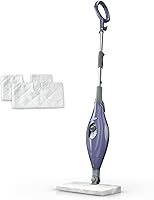
How to Choose a Steam Cleaner with Suction
Choose a steam cleaner with suction by first checking whether it produces steam or only washes with water, then match suction, floor support, tank design and care needs to your home. A wet-dry cleaner may handle spills well, but it is not automatically a steam cleaner.
On this page (9 sections)
- What is a steam cleaner with suction?
- How can you tell true steam extraction from wet mopping?
- Which product type fits your cleaning routine?
- What suction features should you compare?
- Which floors can a steam cleaner with suction handle?
- How should you compare tanks and cleanup?
- Is a steam mop vacuum better than separate tools?
- What should you check before buying?
- Final choice: which steam cleaner with suction should you choose?
Choose a steam cleaner with suction by separating true steam extraction from ordinary wet mopping. Then match suction, floor support, water system, controls and cleanup to the messes you actually handle.
A product name can sound broader than the work it really does. A machine may vacuum, wash and collect dirty water in one pass, yet never make steam.
A true steam cleaner heats water to make steam, while a wet-dry cleaner collects liquid and debris with suction. The steam version uses heat to loosen soil, and suction removes moisture and loosened material.
For a closer comparison of extraction and steam, read steam cleaner versus extractor. That comparison shows why water recovery and steam cleaning are not the same task.
Our steam cleaner complete buying guide covers the wider category. This guide focuses on the extra questions that matter when you want steam and suction in one setup.
Start with your most common mess. Daily crumbs, tracked in soil and small spills call for one kind of machine.
Grease, built up grime and sanitising needs may call for another.
Floor type should come next. Sealed hard floors, tiles, laminate, vinyl and area rugs each respond differently to heat, water and brush action.
Water handling matters more than many buyers expect. Separate clean and dirty tanks keep fresh solution apart from recovered water.
Controls deserve a plain check as well. Touch buttons, dials and suction levels can make daily use feel simple, but they can also add steps.
Setup and care should fit your habits from the start. Ask where the machine will live, how it will charge or refuel, and how wet parts will dry.
Cordless models offer freedom to move but depend on battery time, while corded models give continuous power but need outlet access. Robots give scheduled upkeep but less direct control over a spill in front of you.
Look for clear steam wording, a stated role for suction and a floor list that matches your rooms.
What is a steam cleaner with suction?
A steam cleaner with suction uses steam to loosen soil and suction to remove moisture, dirt or debris. That combination can reduce the need to move between a separate steam mop and vacuum, but only when the machine genuinely supports both jobs.
The phrase can describe several different machine types. A standard steam mop may use heat and a pad but collect very little water.
A wet-dry vacuum mop may collect water and debris very well but produce no steam at all.
A robot vacuum and mop adds scheduling and hands-free movement, yet its mopping action is usually light. It can maintain floors between deeper cleans, but it is not built to guide steam over a stubborn stain with the same control.
The label alone will not tell you much. Read how the machine makes steam, where the water goes and what the suction is meant to recover.
Those details show which job the design was built to do.
Daily use depends on that split. Steam suits soil that needs heat to release.
Suction suits debris, spills and used water that need to leave the floor. A machine that does both well can replace two passes, while a machine that does one well is still useful if that is your main need.
| Machine type | Produces steam? | Uses suction? | Best suited to |
|---|---|---|---|
| Steam mop | Usually yes | Usually no | Loosening soil on sealed hard floors |
| Wet-dry vacuum mop | Usually no | Yes | Picking up debris, spills and wash water |
| Steam vacuum cleaner | Yes | Yes | Steam cleaning with moisture recovery |
| Robot vacuum and mop | Usually no | Yes | Scheduled dry vacuuming and damp mopping |
Read the functions carefully. “Wet dry,” “vacuum mop” and “mop combo” describe water handling or mopping, but they do not prove that the machine creates steam.
For a related comparison, see our guide to the best vacuum and steam mop combo.
How can you tell true steam extraction from wet mopping?
Look for a stated steam system, a water-heating function and instructions that explain steam use. If the description only mentions a water tank, cleaning solution, wet messes or mopping, treat it as a wet-dry cleaner rather than a steam cleaner.
True steam extraction should explain how water becomes steam and how the machine applies it to the surface. It should also explain heating time and how steam output is controlled.
Suction should have a clear role, such as recovering loosened moisture or collecting debris. Ask whether it recovers steam moisture, dirty wash water, dry particles or all three.
Wet mopping can still suit everyday spills, crumbs and surface grime when you want a cleaner that vacuums and washes in one pass. For fresh food spills or muddy paw prints, fast pickup and recovery may matter more than heat.
Steam adds heat and moisture, so check the floor instructions before using it on wood, laminate or other surfaces that may react poorly. Sealed and unsealed floors need different treatment, even when they look similar.
A steam model will usually describe heating time, steam settings and safety guidance. A wet-dry model will focus on clean and dirty tanks, solution use, brushrolls and rinse cycles.
Steam machines need descaling guidance and safe handling of hot parts. Wet-dry machines need dirty water emptying, filter care and drying of brushrolls or pads.
Which product type fits your cleaning routine?
Choose a wet-dry vacuum mop for everyday liquid messes, a robot for scheduled floor maintenance, or a true steam vacuum when heated steam is the main reason you are shopping. These examples show why product descriptions need close reading.
Shark HydroVac MessMaster Wet Dry Vacuum
The Shark HydroVac MessMaster suits sealed hard floors and area rugs when you want cordless vacuuming, mopping and a self-clean cycle. It is a wet-dry vacuum mop, not a stated steam cleaner.
Its dual-tank system separates clean and dirty water. The machine has a 0.38-quart capacity, a touch control, an LED display and a lithium-ion battery.
Shark describes a Stain Boost mode that uses 2X the cleaning solution compared with normal mode. Its self-clean cycle runs on the charging dock, and the package includes 2 12 oz. multi-surface concentrate bottles, 2 brushrolls, 1 foam filter and 1 charging dock.
The HydroVac is 11.06 in long, 9.81 in wide and 43.74 in high, and weighs 8.5 lb. Choose it when you want a cordless floor washer that handles wet debris and area-rug surface dirt.
Skip it if producing steam is essential.
ROPVACNIC Robot Vacuum and Mop Combo 5200Pa
The ROPVACNIC Robot Vacuum and Mop Combo suits scheduled floor cleaning when you want app, remote and voice control. It vacuums and mops, but its listed functions do not make it a steam cleaner.
The S1 has 5200Pa suction, 3 suction levels and a 120-minute battery life. Its electronically controlled water tank offers 4 water adjustments, while the robot can return to its charging base when it needs power.
At 12 in wide and 12 in long, with a height of 2.99 in, it can fit under some furniture. The package includes a mop pad holder, charging base, power adapter, water tank, mopping cloth, spare HEPA filter, 4 side brushes, a cleaning brush, user manual and app instructions.
Choose it for routine dust, crumbs and damp mopping across wood, hard floors and low pile carpets. It is a poor match when you need heated steam or direct control over a wet spill.
Bissell Crosswave Turbo Vacuum Mop All
The Bissell Crosswave Turbo suits buyers who want corded vacuuming and washing at the same time across several indoor surfaces. It is a wet-dry vacuum mop, not a stated steam cleaner.
The 3888A uses a two-tank system to keep clean water and formula separate from dirty water. It has a 420 ml capacity, a cartridge filter and a corded electric power source.
Bissell identifies tile, sealed wood floors, laminate, linoleum, rubber floor mats, pressed wood floors and area rugs as supported surfaces. The cleaner measures 11 in long, 13 in wide and 26 in high, and weighs 11 lb.
Its included components are an 8 oz. Multi-Surface Pet Formula and a Rinse & Clean Out Storage Tray.
Choose it when you want a corded machine for washing and vacuuming together. Skip it if you specifically need steam heat or cordless movement.
What suction features should you compare?
Compare how the machine collects debris and used water, not just the number attached to suction. Good suction should match the mess, surface and amount of moisture you need to recover.
Check these points:
- Does suction collect dry debris, wet spills, or both?
- Does the machine separate clean water from dirty water?
- Can you control suction or cleaning intensity?
- Does the machine support rugs, carpets, sealed floors, or only one surface?
- Does the system reduce the chance of spreading dirty water?
- Can you empty and rinse the recovery parts without difficult steps?
A dual-tank design helps keep fresh water separate from recovered water. The Shark HydroVac and Bissell Crosswave both use separate clean and dirty water systems.
A robot may offer multiple suction levels, but its mop system is designed for automated floor care. That is different from guiding a steam vacuum over a concentrated stain.
If you are comparing Shark products specifically, read can a Shark steam mop vacuum too before treating a vacuum mop as a steam cleaner.
Which floors can a steam cleaner with suction handle?
Choose a machine only after confirming that its heat, water and cleaning head suit your floor. **Sealed hard floors are usually the clearest starting point, while unfinished wood, delicate finishes and some laminates need extra care.
See steam mop guidance for LVP for vinyl plank.**
Look for surface guidance covering the exact material in your home. For grout, see steam cleaner guidance for grout.
Tile, sealed wood, laminate, linoleum, rubber mats, pressed wood and area rugs are not interchangeable categories.
Steam can loosen grime, but excess heat or moisture may damage a surface that is not sealed or approved for steam. Wet-dry machines also need floor-specific guidance because water recovery does not remove every moisture risk.
For corners and narrow spaces, compare the head shape and steering design. Our guide to a steam mop with a triangle head explains when a shaped head may help around edges and corners.
How should you compare tanks and cleanup?
Choose a tank system that makes the machine easy to refill, empty and dry after each use. A cleaner that handles wet messes still needs routine care because dirty water, brushrolls, filters and pads can hold residue.
Check whether the machine has:
- Separate clean and dirty water tanks
- A clear fill or empty process
- A filter that can be removed for care
- A brushroll or pad that can dry fully
- A self-clean cycle or rinse tray
- Storage space for wet parts
The Shark HydroVac has a docked rinse cycle that flushes the brushroll and cleans the system. The Bissell Crosswave includes a Rinse & Clean Out Storage Tray for rinsing the machine and storing the brushrolls to dry.
A robot vacuum mop has a different care routine. Its water tank, mopping cloth, side brushes, filter and charging base need attention even when the robot returns to the base automatically.
Do not leave recovered water sitting in the machine. Empty the dirty tank, rinse removable parts as directed and allow wet components to dry before storage.
Is a steam mop vacuum better than separate tools?
A combined machine is better when saving floor-care steps matters more than having the strongest tool for each job. Separate tools give you more control, while a combination machine can reduce storage needs and repeated passes.
A steam mop is useful when heat is the main cleaning method. A dry vacuum is useful when you need to collect dust and debris without adding moisture.
A steam vacuum aims to combine those roles, but it may cost more, weigh more or require more cleanup.
A wet-dry vacuum mop can be the better choice for fresh spills, food debris and everyday floor washing. It does not replace a steam cleaner if you specifically want steam.
Before choosing a combination machine, decide which task happens most often:
| Main need | Better starting point |
|---|---|
| Dry crumbs and dust | Dry vacuum |
| Fresh liquid spills | Wet-dry vacuum mop |
| Scheduled floor upkeep | Robot vacuum and mop |
| Heat-based soil loosening | Steam cleaner |
| Steam plus moisture recovery | True steam vacuum |
Our best steam cleaner vacuum combos guide can help if you want to compare machines designed around both steam and suction.
What should you check before buying?
Check the steam claim, floor compatibility, suction purpose and cleanup process before comparing extra controls or attachments. The right steam cleaner with suction is the one that matches your floors and messes without adding a care routine you will avoid.
Use this checklist:
- Confirm that the machine produces steam if steam is essential.
- Check whether suction collects dry debris, wet messes, or recovered steam moisture.
- Match the floor list to every surface you plan to clean.
- Compare corded and cordless operation with your room layout.
- Review tank separation and capacity.
- Check how filters, brushrolls, pads and tanks are cleaned.
- Measure the machine if storage space is limited.
- Follow floor-care instructions before applying heat or water.
The Shark HydroVac is the strongest fit here for cordless wet mess cleaning and sealed hard floors. The ROPVACNIC is aimed at automated vacuuming and mopping, while the Bissell Crosswave is a corded option for simultaneous vacuuming and washing.
Final choice: which steam cleaner with suction should you choose?
Choose a true steam vacuum when heated steam and moisture recovery are both required. Choose the Shark HydroVac for cordless wet-dry cleaning, the ROPVACNIC for scheduled robot vacuuming and mopping, or the Bissell Crosswave for corded vacuuming and washing.
The key decision is simple: do you need steam, or do you mainly need suction with wet mopping? Answer that first, then compare floor support, tank design and cleanup.
Pick the Shark HydroVac if sealed hard floors and area rugs are your main surfaces and you want cordless movement. Its wet-dry design suits spills, debris and surface dirt, with docked self-cleaning to make aftercare easier.
It will not meet a need for heated steam.
Pick the ROPVACNIC if your main goal is routine upkeep while you are busy elsewhere. App, remote and voice control suit scheduled cleaning, and its low profile helps it reach under some furniture.
It is less suited to direct spot treatment or a large spill that needs immediate attention.
Pick the Bissell Crosswave if you want corded power and simultaneous vacuuming and washing. Its two-tank system, rinse tray and wide surface list suit homes where plug-in use is practical.
Cordless freedom and steam heat are not part of that choice.
Match the final pick to your rooms, storage space and daily habits. A machine you can set up, use and clean without hassle will serve you better than a feature list that looks stronger on paper.
Frequently asked questions
What is a steam cleaner with suction?
A steam cleaner with suction combines heated steam with vacuum recovery, so it loosens soil and pulls moisture and debris away. Some machines described as steam mop vacuums only vacuum and wet mop.
Check for a stated steam function, not just words such as wet dry, wash or mop.
Is a steam mop vacuum the same as a steam cleaner?
No. A steam mop vacuum may combine vacuuming and damp mopping without producing steam.
A true steam cleaner needs a steam-generation system, while a wet-dry cleaner uses water and cleaning solution to collect spills, dirt and used liquid.
Can a steam cleaner with suction clean carpets?
Only if the machine is designed for carpets or area rugs. Check the supported surfaces before use, because sealed hard floors, low pile carpets and area rugs need different care.
Never assume that suction or a mop attachment makes a machine safe for every carpet.
What matters most when choosing a steam cleaner with suction?
The key checks are true steam generation, suction recovery, floor compatibility, clean and dirty water handling, tank size, cord or battery design, controls and cleanup after use. Choose based on the messes and surfaces in your home, not on the word steam alone.