Is a Steam Cleaner Good for Grout?
Yes, a steam cleaner can be good for grout because hot steam loosens dirt and buildup in the lines. It works best as a maintenance tool, and deep stains, damaged grout, or sealed surfaces may need extra care or another method.
On this page (11 sections)
- Is a steam cleaner good for grout maintenance?
- What does steam do well on grout lines?
- Where does steam fall short on grout?
- Which steam mop fits grout cleaning on floors?
- When does a lightweight steam mop make more sense?
- Can a carpet extractor help with grout problems?
- How do you steam grout without harming tile?
- How often should you steam grout?
- How do you choose between a mop, handheld, and extractor?
- What should you avoid when steam cleaning grout?
- Is a steam cleaner good for grout in the long run?
Yes, a steam cleaner can be good for grout because hot steam loosens dirt trapped in the lines and helps lift buildup without harsh chemicals. It works best for routine care, not deep stains or damaged grout.
Heat and moisture soften grease, soap residue, and dried dirt so a pad or brush can pick them up. That makes steam useful in kitchens, bathrooms, and entryways.
For room-specific steps, see steam cleaning a bathroom.
Steam may not remove deep color stains, repair damaged grout, or suit surfaces that should not get steam. Our score weighs specs, features, and buyer feedback by surface type, cleaning path, tank size, and pad design.
Is a steam cleaner good for grout maintenance?
Yes, steam is good for grout maintenance because it loosens everyday grime so you can wipe or scrub it away more easily. It suits sealed tile floors and walls where a light pass keeps lines from turning dark.
Use steam when dirt is still near the surface. A weekly or monthly steaming can stop soap, grease, and foot traffic soil from hardening in the joint.
Keep expectations clear. Steam cleans, but it does not rebuild crumbling joints or force out every old stain.
If grout is cracked, sandy, or missing, repair comes before steam cleaning.
A steam cleaner guide can help you match the tool to the room. Floor mops cover wide areas, while handheld units reach corners and shower lines.
What does steam do well on grout lines?
Steam does well on grout because heat softens buildup and moisture helps a pad or brush lift it from the texture. It works on grease, soap film, light mildew, and dried spills in the joint.
It also cleans with less chemical residue, which suits floors used by children and pets. Steam leaves no film like some liquid cleaners.
Steam reaches low spots where grout sits below the tile face. A brush or pointed head can follow the line where a flat sponge would skim the tile.
The tradeoff is time, since steam moves soil but you still need contact and a wipe. Fast passes over heavy soil may soften only the top layer.
Where does steam fall short on grout?
Steam falls short when stain, damage, or surface type needs more than heat and moisture. Deep-set color, old mildew, and built-up grease may need scrubbing, a grout cleaner, or repair work.
Unsealed or delicate surfaces need extra care. Some stone, waxed floors, and certain finishes should not get steam unless the maker approves it.
Cracked grout can take in water, so repair weak joints first.
For a shower routine, see steam cleaning a shower. Our guide to the best handheld steam cleaner for grout covers brush shape, cord length, tank size, and head fit.
Which steam mop fits grout cleaning on floors?
A steam mop fits grout cleaning on floors because a wide head, reusable pads, and variable steam cover large tile areas with fewer refills. It is a good pick for kitchens and entryways where the floor gets daily traffic.
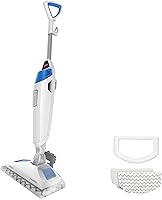
The BISSELL Steam Mop 1940A PowerFresh Floor Steam fits this role with a 12-inch cleaning path and a flip-down Easy Scrubber. That scrubber helps break up dried-on messes and grout buildup without extra pressure, according to BISSELL.
Its 16 fluid ounce tank and 23-foot power cord help you cover more floor before you stop for a refill or a new outlet. Three steam settings let you match steam to light refreshes or stuck-on spills.
Check the surface first. BISSELL lists sealed hardwood, tile and ceramic, granite, and marble as suitable surfaces for this mop.
Keep the head moving and follow the floor maker's guidance for sealed floors.
When does a lightweight steam mop make more sense?
A lightweight steam mop makes more sense when you want quick passes on sealed hard floors and easy storage. It suits small kitchens, bathrooms, and hallways where you clean often but do not want to drag a heavy unit.
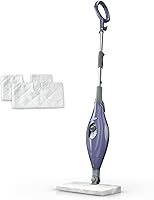
The Shark Steam Pocket Mop with 2 Washable fits that need at under 5 pounds, with swivel steering for tight spaces. It starts steaming in as little as 30 seconds, so short cleanups do not wait long for heat.
The double-sided pads extend a cleaning session because you can flip the mop head to use the other side. Shark includes 2 washable microfiber pads and a filling flask with the S3501 model.
Use it on sealed hard floors, including tile, according to Shark. The 15.2 fluid ounce capacity is smaller than some floor mops, so plan on refills for larger rooms.
Can a carpet extractor help with grout problems?
A carpet extractor can help in one narrow case: when grout soil has been tracked onto nearby carpet, upholstery, or stairs. It does not replace steam for tile joints, but it can clean the soft surfaces around a tiled room.
The BISSELL Little Green Multi-Purpose Portable Carpet Cleaner sprays, scrubs, and suctions soil from carpet and upholstery. Its 48 ounce clean water tank, 3-inch Tough Stain Tool, and HydroRinse Self-Cleaning Tool give you options for spots and small areas.
This tool suits pet messes, paw prints, car interiors, and upholstery as well as carpet. It weighs 9.7 pounds and is corded, so it works best where you can plug it in nearby.
Do not use it as a grout cleaner for hard tile. Grout needs heat, a brush, or a pad, while this machine is built to spray and suction soft surfaces.
How do you steam grout without harming tile?
You steam grout safely by testing a small area, keeping the head moving, and using the lowest steam that does the job. Start away from view so you can see how tile and grout respond.
Clear loose dirt off the floor first with a broom or vacuum. Then let the mop heat up and make slow passes along the lines.
Pause a little longer on heavy soil, but do not hold the head in one spot. Use a brush attachment or scrubber where the joint needs more action.
A pointed head helps on wall tile and corners, while a pad works better on wide floor tiles. Rinse or wipe the area after steaming so loosened soil does not settle back into the lines.
How often should you steam grout?
You should steam grout every few weeks for high-traffic floors and every few months for low-traffic rooms. Frequency depends on pets, cooking, foot traffic, and whether the grout is sealed.
Kitchens often need more care because grease and food soil settle into the joints. Bathrooms need care because soap and moisture feed buildup on wall and floor lines.
Watch the color of the joint as your guide. If lines look dull but not deeply stained, a light steaming and wipe may be enough.
If color does not change, stop and check for damage or old stains.
A short routine beats an occasional deep session. Light steam stops soil from hardening, and you spend less time scrubbing later.
How to use a steam cleaner on grout lines
Use a steam cleaner on grout lines by moving slowly along each joint, then scrubbing and wiping before the soil dries again. Heat loosens the soil and the brush lifts it.
Our step guide for how to use a tile and grout steam cleaner walks through setup, attachments, and safe passes. Read it before your first use if you are new to steam mops.
For shower walls, our guide to how to use a steam cleaner on shower grout covers reach, runoff, and corner work. If your unit is a combo model, our guide on How To Use A Steam Vacuum Cleaner? explains how steam and suction work together.
How do you choose between a mop, handheld, and extractor?
Choose between a mop, handheld, and extractor by matching the tool to the surface and the size of the job. A floor mop covers rooms, a handheld reaches lines, and an extractor cleans soft surfaces nearby.
If most of your tile is on the floor, start with a mop. The BISSELL PowerFresh gives you a scrubber and 3 steam settings for floor work.
The Shark Pocket Mop gives you a lighter option for quick sealed-floor passes.
If most of your grout is on walls, backsplashes, or showers, a handheld unit may serve you better. It can pause on a line, swap brushes, and reach corners that a mop head misses.
If the room has carpet runners or upholstered seating, an extractor can clean those parts after you finish the tile. Our guide to the best steam cleaner for tile and grout compares mop and handheld styles by head design and tank size.
What should you avoid when steam cleaning grout?
Avoid high heat on delicate surfaces, cracked grout, and long pauses in one spot. Those mistakes can harm finishes, force water into weak joints, or leave uneven results.
Do not use steam on surfaces that warn against it. Check tile, stone, grout, and floor finish guidance first, and test in a hidden area.
Do not assume more steam is always better. Start low, make slow passes, and scrub where soil remains.
Do not skip the wipe, since steam loosens soil but a damp pad, cloth, or brush must carry it away. For pet-related grout and carpet combos, our guide on Which Is Better a Carpet Cleaner or a Steam Cleaner for Pet Stains? explains which tool fits which surface.
Is a steam cleaner good for grout in the long run?
Yes, a steam cleaner is good for grout in the long run because regular light steaming keeps soil from hardening in the joints. It helps you maintain sealed tile with water, a pad, and a brush rather than strong chemicals.
Think of steam as maintenance, not magic. It loosens everyday buildup and keeps lines looking cleaner between deep cleans.
Repair, scrubbing, and sealing still have their place.
Pick the BISSELL PowerFresh if you want a floor mop with a scrubber and variable steam. Pick the Shark Pocket Mop if you want a light, quick-start option for sealed floors.
Add a handheld tool for walls and showers, and use a portable extractor only for carpet and upholstery around the tile. Start with a test area, work slowly, and wipe as you go.
Frequently asked questions
Is a steam cleaner good for grout in bathrooms?
Yes, steam can loosen soap, mildew, and dirt in bathroom grout, especially on sealed tile. Work slowly, keep the head moving, and follow the tile maker's care guidance.
Deep discoloration may still need a grout-safe cleaner, and a sealing step can help slow future staining.
Can steam damage grout or tile?
Steam can damage some grout, tile, or finishes if used at high heat, held in one spot, or used on the wrong surface. Check the floor and grout maker for limits, test a small hidden area, and keep the mop moving.
Avoid cracked grout, unsealed stone, and surfaces that warn against steam.
What is better for grout, steam or scrubbing?
Steam loosens buildup with heat and moisture, while scrubbing removes thick or stained material that steam leaves behind. Many homes get the best result from steaming first, then light scrubbing with a grout brush.
Choose the method based on soil level, surface type, and how much time you have.
Should I seal grout after steam cleaning?
Sealing after a deep clean can help protect grout from moisture and stains. Let the grout dry fully, confirm the sealer suits your grout type, and follow the package directions.
Sealer will not fix cracked or missing grout, so repair those areas first.