Dust Mop vs Wet Mop: Which Should You Use? (November 2026)
Use a dust mop for dry pickup and a wet mop for damp washing. In a dust mop vs wet mop choice, dry dusting comes first for loose dust and hair, and wet mopping follows when floors need washing.
On this page (12 sections)
- Dust mop vs wet mop: the quick verdict
- The 2 mops side by side
- Dust pickup: what dry cleaning does best
- Wet washing: what damp cleaning does best
- Hardwood and wood floors: which approach is safer
- Tile, vinyl and laminate: where wet mopping helps more
- Pet hair: daily dry pickup beats daily wet mopping
- Ease of use: handle, weight and storage
- Cost and upkeep: reusable pads vs disposable cloths
- Who should buy which mop
- Care tips for both mops
- Final verdict in the dust mop vs wet mop choice
Use a dust mop for dry pickup and a wet mop for damp washing. The dust mop vs wet mop question is really about what is on your floor right now.
Loose dust and hair call for dry pickup.
Sticky film and marks call for washing.
 Best for dry and wet versatility
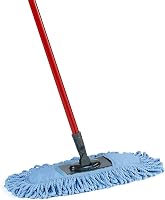
CLEANHOME Microfiber Dust Mop for Hardwood Floor
 Best for disposable convenience
Swiffer Sweeper 2-in-1 Mops for Floor Cleaning
Our score weighs specs, features and buyer feedback against what you're shopping for. We compared the specs, features and included items for the 2 mops in this guide.
Dust mop vs wet mop: the quick verdict
Pick dry pickup for daily dust and wet washing for residue. That simple rule decides most rooms in most homes.
A dust mop lifts dust, dirt and pet hair without water. A wet mop dissolves dirt and grime that dry pickup leaves behind.
You will often use them in that order on the same day.
The mops guide for buyers explains the main mop types in one place. It helps you see where dust mops, wet mops and spray mops fit in a full cleaning set.
Think in passes. First pass is dry.
Second pass, when needed, is damp. To compare bucket mopping with steam, see spin mop vs steam mop.
That order keeps grit off the floor while you wash.
The 2 mops side by side
The CLEANHOME is a reusable pad mop; the Swiffer is a disposable cloth system. Both can clean dry and wet, but they handle the work in different ways.
The CLEANHOME Microfiber Dust Mop for Hardwood Floor has a metal handle that adjusts to 59 inches. It weighs 1.6 pounds and uses a washable microfiber pad.
The head is 20 x 11 inches in the stated dimensions.
The Swiffer Sweeper 2-in-1 Mops for Floor Cleaning starter kit includes 1 mop and 19 refills. That set has 14 dry sweeping cloths and 5 wet mopping cloths.
It weighs 1.14 pounds and needs no dustpan or bucket.
| Feature | CLEANHOME Microfiber Dust Mop | Swiffer Sweeper 2-in-1 |
|---|---|---|
| Main use | Dry dusting and damp mopping | Dry sweeping and wet mopping |
| Pad or cloth | Washable microfiber pad | Disposable dry and wet cloths |
| Handle | Adjustable metal handle to 59 in | Click-together poles |
| Weight | 1.6 pounds | 1.14 pounds |
| Listed surfaces | Hardwood, tile, laminate, marble, vinyl and more | Tile, hardwood and vinyl, with stated limits |
Dust pickup: what dry cleaning does best
A dust mop wins when the floor has loose dust, hair and light dirt. Dry pickup is fast and it does not leave floors damp.
Microfiber helps because its fibers attract and trap hair, dust and fine dirt. The CLEANHOME uses ultra-dense chenille microfiber to capture dust, dirt and pet hair.
That design aims to hold debris instead of pushing it around.
The Swiffer dry cloths use thousands of microscopic fibers to trap dirt deep in the cloth core. Swiffer says the dry cloths attract hair, dust, dirt and allergens.
You toss the cloth after use, so you do not shake dust back into the air.
Dry cleaning also suits quick daily passes in bedrooms, hallways and living rooms. A dry pass takes less setup than a bucket or a spray solution.
It is the right first step before any wet work.
If you often compare tools for light cleaning, our dust mop vs broom guide breaks down that choice. It shows when a flat dry mop beats a broom for trapped dust.
Wet washing: what damp cleaning does best
A wet mop wins when the floor has sticky film, paw prints or grime. Dry pickup cannot dissolve that residue.
Wet cloths and damp pads loosen and lift bonded dirt. The Swiffer wet mopping cloths are pre-moistened with cleaning solution that bonds with dirt to trap it in the cloth core.
That helps with kitchen floors and entryways where shoes track soil.
A damp reusable pad can do similar work. The CLEANHOME pad can be used for wet mopping as well as dry mopping.
Use light dampness, not soaking wet, especially on wood floors.
Wet washing needs restraint on water-sensitive floors. Swiffer states a limit clearly: do not use its wet system on unfinished, oiled or waxed wooden boards, non-sealed tiles or carpeted floors.
Those floors may be damaged by moisture.
Keep wet passes focused on hard, sealed surfaces. Wring or use only damp pads.
Dry the floor after washing when the floor type needs it.
Hardwood and wood floors: which approach is safer
Dry dusting is the safer daily choice for hardwood; wet washing is for occasional, careful cleaning. Wood expands and can mark when it stays wet.
The CLEANHOME is made for hardwood, wood, tile, laminate, vinyl, marble, ceramic, stone, linoleum and cement in its surface list. It can reach under furniture with a slim design.
That helps under beds, sofas and low shelves where dust builds up.
For daily care, a dry microfiber pass removes grit that can scratch wood over time. Grit is the real risk.
Water is the second risk when floors stay damp.
Our best dust mop for hardwood floors page narrows the field for wood care. It is useful if hardwood is your main floor and you want pad choices that suit it.
When you do wash wood, use minimal moisture and dry promptly. A damp pad, not a dripping pad, is the right level for most sealed wood.
Stop if water pools or the floor looks dragged wet.
Tile, vinyl and laminate: where wet mopping helps more
Tile, vinyl and sealed laminate often need wet washing more often than wood. For floor-specific care, see how to mop vinyl plank flooring.
Grout lines, kitchen grease and shoe marks need a damp pass.
Tile floors trap dirt in grout and texture. A dry mop removes loose crumbs and hair first.
A wet mop then washes the surface and grout lines. That two-step order works well in kitchens and bathrooms.
Vinyl and laminate also benefit from washing when foot traffic leaves film. For a careful damp-cleaning routine, see how to mop laminate floors.
Use damp, not soaking wet cleaning on laminate.
Excess water can seep at seams and edges.
The Swiffer wet cloths suit tile, hardwood and vinyl within the stated limits. Their pre-moistened design gives you a measured amount of solution without a bucket.
That can help on small kitchen floors.
For walls and baseboards, dry tools have a separate use. Our best dust mop for walls guide covers high and flat surfaces where a floor mop may not reach well.
Pet hair: daily dry pickup beats daily wet mopping
For pet hair, start dry every time. Hair and dander are loose debris first.
They become a paste only when you add water too soon.
The CLEANHOME chenille microfiber is described for homes with dogs, cats or other pets. The pad aims to capture pet hair rather than push it across the room.
Washable pads help when hair builds up and you need a fresh surface.
Swiffer dry cloths also target hair pickup. The brand says brooms and vacuums can leave invisible hair and fine dust.
Its dry cloths trap hair deep in the core so it is not released back onto the floor.
A wet pass after dry pickup handles paw prints and tracked-in soil. That order keeps the wet cloth from smearing hair across a larger area.
It also means you use fewer wet cloths.
Learn the related terms as you shop. A best dry dust mop list helps you compare pads, handles and sizes for daily pet hair work.
Ease of use: handle, weight and storage
Ease comes down to setup, weight and where you store the tool. Small differences matter when you clean often.
The CLEANHOME handle adjusts up to 59 inches. That length lets you clean floors without bending over.
The metal handle and 1.6-pound total weight give a balance between reach and control.
The Swiffer weighs 1.14 pounds. It is compact and lightweight for apartments and dorms.
Assembly is simple: click the poles together and wrap the cloth under the head.
Storage favors the Swiffer in tight closets because it is light and narrow. The CLEANHOME handle extends and locks for use, then it can be stored as a long mop.
Measure your closet shelf or doorway before you buy either tool.
Both tools avoid a large bucket for quick jobs. The Swiffer needs no dustpan or bucket.
The CLEANHOME needs no bucket for dry dusting, and only light dampness for wet use.
Cost and upkeep: reusable pads vs disposable cloths
Reusable pads cost less per clean over time; disposable cloths cost less in effort. Choose based on how often you mop and how much you mind laundry.
The CLEANHOME pad is durable, washable and reusable. That makes it a cost-effective choice compared with disposable mop heads, in the brand's description.
Replacement pads are available for when the pad wears out.
Care for a reusable pad is simple but real. Shake off loose debris, wash it, and let it dry fully before use.
A clean pad traps dust better and leaves less residue during damp mopping.
The Swiffer starter kit includes 19 refills. That gives you a ready supply for dry and wet passes.
The trade-off is ongoing refills and waste from used cloths.
Also learn what a vacuum uses. Our What Is A Wet And Dry Vacuum Cleaner? page clears up a common naming mix-up.
A wet and dry vacuum is not the same tool as a wet mop.
Who should buy which mop
Choose the CLEANHOME for a reusable, versatile pad; choose the Swiffer for disposable speed. The best pick depends on your floors, pets and routine.
Choose the CLEANHOME Microfiber Dust Mop for Hardwood Floor if you want one pad for dry dusting and damp mopping. It suits hardwood, tile, laminate, marble and vinyl.
It also suits homes where pet hair is a daily issue and you prefer to wash a pad.
Choose the Swiffer Sweeper 2-in-1 Mops for Floor Cleaning if you want quick dry and wet passes with no laundry. It suits small living spaces, busy households and renters who want compact storage.
The 20-piece starter set gives you both dry and wet cloths from the start.
Skip the Swiffer wet cloths on unfinished, oiled or waxed wood, non-sealed tile or carpet. Those surfaces are water sensitive.
Skip heavy wet mopping on any wood floor that stays damp after a pass.
For spray mop users, refill care matters too. Our how to refill bona spray mop guide helps if your wet routine uses a spray bottle system.
It explains the refill steps in plain terms.
Care tips for both mops
Keep pads and cloths clean, dry and matched to the job. A dirty pad cleans poorly in both dry and wet modes.
For the CLEANHOME, wash the microfiber pad regularly and let it dry fully. Store it dry so it does not hold moisture between uses.
Replace the pad when fibers look worn or flat.
For the Swiffer, toss dry cloths when they are loaded and toss wet cloths after one use. Do not reuse a wet cloth on a new room.
That habit keeps trapped dirt off the next floor.
Use dry pickup first, then damp washing. That order works for both tools and both floor types.
It also cuts down on streaks and smeared hair.
For vacuum bags and storage, our What Is Dust Bag In Vacuum Cleaner? page explains a different part of floor care. It helps you keep vacuums and mops in the right roles.
Final verdict in the dust mop vs wet mop choice
Use dry dusting for daily loose dust and wet mopping for residue, in that order. That rule protects floors and gives the best clean for the effort.
Pick the CLEANHOME if you want a washable pad, a 59-inch handle and dry or damp use on many hard floors. Pick the Swiffer if you want disposable dry and wet cloths, no bucket and compact storage.
Many homes end up with both approaches. A reusable dry mop handles daily pet hair and dust.
A wet mop or wet cloth handles weekly washing on tile, vinyl and sealed floors.
Start with dry pickup today. Add a damp pass only when the floor shows film, marks or paw prints.
That order is the core of the dust mop vs wet mop answer, and it works on most hard floors in your home.
Frequently asked questions
Should you dust mop before you wet mop?
Yes. Dry dusting first removes loose dust, hair and grit that a wet mop can spread or grind into the floor.
A wet mop then washes the film and marks that dry pickup cannot remove.
This order protects the floor and gives a cleaner result.
Can you use a dust mop as a wet mop?
Some mops can work both ways, but the pad and floor matter. The CLEANHOME pad is described for dry and damp use on listed hard surfaces.
Use only light dampness on wood and check that your floor tolerates moisture before you mop wet.
Which is better for pet hair?
A dust mop is often better for daily pet hair pickup because it traps hair without soaking the floor. Microfiber and dry cloths attract hair and dust.
For paw prints and sticky spots, follow with a damp wet mop after the loose hair is gone.
Do you need both a dust mop and a wet mop?
Many homes benefit from both tools. A dust mop handles frequent light cleaning, and a wet mop handles washing when needed.
A single versatile mop can cover both jobs if you accept washing a reusable pad or buying disposable wet cloths.