How to Mop Hardwood Floors
Yes, you can mop hardwood floors if you use a damp mop, very little water, and dry the floor right away. Sweep first, wring the mop until it is barely wet, work in small sections, and finish with a dry towel or dry pad.
On this page (11 sections)
- Can I mop hardwood floors without damaging the finish?
- Do you mop hardwood floors with a wet mop or a damp mop?
- How to mop a hardwood floor step by step
- How do you control moisture when you mop hardwood floors?
- Can you mop hardwood floors with steam?
- Which regular mop works best for hardwood floors?
- How do steam mops compare for tough spots on hardwood?
- What cleaning solution should you use on hardwood floors?
- How often should you mop hardwood floors, and what should you do in between?
- What mistakes should you avoid when you mop a hardwood floor?
- How to mop hardwood floors: the simple routine to keep
Yes, you can mop hardwood floors if you use a damp mop, very little water, and dry the floor right away. Sweep first, wring the mop until it is barely wet, work in small sections, and finish with a dry towel or dry pad.
That simple rule is the core of how to mop hardwood floors without harm. Finished wood tolerates light moisture for a few minutes.
It does not tolerate puddles, steam left in one place, or repeated soaking near seams and edges.
Can I mop hardwood floors without damaging the finish?
Yes, you can mop sealed hardwood floors with a damp mop and a mild floor cleaner made for wood. The key is moisture control, since water can dull, swell, or discolor the finish if it soaks in.
Start by sweeping or vacuuming with a hard floor setting. Grit is the main cause of scratches, and mopping over grit drags it across the surface.
A soft broom, a dry microfiber mop, or a vacuum with a hard floor brush works well.
After sweeping, use a flat mop rather than a heavy string mop. Microfiber pads spread moisture evenly and pick up dirt instead of pushing it around.
Our guide to mops explains the main mop types and which pads suit each floor.
Do you mop hardwood floors with a wet mop or a damp mop?
Use a damp mop, not a wet mop. A wet mop leaves a shine of water that can seep into seams, while a damp mop leaves only a faint film that dries in seconds.
Wring a traditional mop until no water drips from it. With a flat microfiber mop, spray the cleaner onto the pad or use a spray mop that releases a light mist.
If you can see a puddle behind the mop, it is too wet.
Work with the grain of the wood in long, smooth passes. Overlap each pass slightly so you do not leave dry streaks.
Change the pad or rinse the mop when it gets dirty, since a dirty pad spreads soil back onto the floor.
How to mop a hardwood floor step by step
The safest order is sweep, damp mop, spot dry, and inspect. Each step takes only a few minutes, and skipping the sweep is the most common mistake.
Fill a bucket with lukewarm water and a small amount of wood floor cleaner. A mop bucket with a wringer can make that squeezing step easier.
Follow the dose on the cleaner label, since too much soap leaves a dull film.
A spray bottle with diluted cleaner also works for small areas.
Dip the mop, wring it hard, and mop one small section at a time. Go over the same spot only once or twice.
If the cleaner leaves suds, the mop has too much liquid or the mix is too strong.
Dry the section with a clean, dry towel or dry microfiber pad right behind the mop. This step matters most near kitchen sinks, entry doors, and any place where water can pool.
Walk the floor when you finish and look for damp patches or streaks.
How do you control moisture when you mop hardwood floors?
Moisture control means using less water than feels natural for tile or vinyl. Hardwood needs a thin film, not a wash.
For similar seam-conscious care, see how to mop laminate floors.
Use a spray mop or a flat microfiber mop that you wring well. Keep a dry towel within reach so you can dry spills and damp spots as you go.
Move furniture pads or rugs that could trap moisture against the wood.
Pay extra attention to board ends and seams. Water enters wood fastest at gaps, knots, and worn spots.
If a seam looks raised or the finish looks cloudy, stop mopping that area and dry it at once.
Ventilation helps the floor dry faster. Open a window or run a fan nearby, but keep the fan from blowing dirt onto a damp surface.
The floor should feel dry to the touch within a few minutes.
Can you mop hardwood floors with steam?
Only sealed hardwood floors should get steam, and only with care. Steam adds heat and moisture at the same time, so it can damage waxed, oiled, or worn finishes.
The Shark Steam Pocket Mop S3501 is made for sealed hard floors, including hardwood, tile, laminate, and vinyl. It uses steam from water alone, starts steaming in about 30 seconds, and has a 15.2 fluid ounce capacity.
Shark says it removes 99.9 percent of common household bacteria when used as directed.
Move the mop constantly and never leave it sitting in one spot. Use the lowest steam setting that cleans the soil, and avoid steam on floors with gaps, wax, or rubbed finishes.
If you are unsure about your finish, a damp microfiber mop is the safer choice.
Which regular mop works best for hardwood floors?
A flat microfiber mop is the best choice for most weekly cleaning. It holds little water, it glides with light pressure, and the pad can be washed and reused.
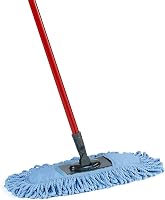
The O-Cedar Dual-Action Microfiber Sweeper Dust Mop has a flexible head made with microfiber and an ultra dense chenille mop head. O-Cedar says it traps dust, dirt, and hair better than a traditional cotton mop, and the head also reaches baseboards.
The set includes one mop and one refill, and the pads are machine washable.
Use this type of mop dry for daily dusting, then damp for weekly cleaning. See dust mop versus wet mop for when to choose each method.
Swap in a clean refill when the pad looks gray.
Our picks for the best microfiber mop for hardwood floors compare pad types and head shapes in more detail.
How do steam mops compare for tough spots on hardwood?
Steam mops suit sealed floors with dried on food, tracked in soil, or grout lines nearby. They clean with water and heat, so no chemical cleaner is needed for the steam itself.
The BISSELL Steam Mop 1940A PowerFresh has a 12 inch cleaning path, a 16 fluid ounce tank, and three steam settings. BISSELL says it kills 99.9 percent of germs and bacteria when used as directed, and it has a flip down Easy Scrubber for dried on messes.
It also has a 23 foot power cord and reusable washable pads.
Use the lowest setting first, then raise it only if the soil stays. Keep the mop moving, and dry the floor with a towel after steaming.
For rooms where wood meets tile, our guide to the best mop for hardwood and laminate floors helps you pick one mop for both surfaces.
What cleaning solution should you use on hardwood floors?
Use a cleaner made for sealed hardwood floors, diluted as the label directs. Plain water works for light maintenance, and a wood floor cleaner helps lift footprints and kitchen soil.
Avoid vinegar, bleach, ammonia, oil soap, and general all purpose cleaners. Vinegar can dull some finishes over time, and strong chemicals can break down the seal.
A little cleaner goes a long way, since excess soap leaves residue.
For spot cleaning, spray a small amount onto the mop pad rather than onto the floor. This keeps liquid off the wood and spreads it in a thin layer.
Rinse the mop often so you do not spread dirty water across clean boards.
How often should you mop hardwood floors, and what should you do in between?
Most sealed hardwood floors need a damp mop every one to two weeks. High traffic areas may need weekly spot cleaning, while low traffic bedrooms need it less often.
Between mopping sessions, sweep, dust, or vacuum often. This removes grit before it scratches the finish.
A vacuum made for hard floors helps here, and our guide to the Best Vacuum For Hardwood Floors explains brush and suction settings.
Place mats at entry doors and felt pads under furniture legs. Most wear comes from grit and dragging, not from a careful damp mop.
If you want a broader comparison of tools, read What Is the Best Vacuum for Hardwood Floors? before you buy.
What mistakes should you avoid when you mop a hardwood floor?
The biggest mistake is using too much water. A soaking wet mop, a leaking bucket, or a steam mop held in one place can all harm the finish.
Wring the mop well and dry the floor as you go.
Another common mistake is mopping before sweeping. Grit under a damp pad becomes an abrasive.
Always remove loose dirt first, then mop, then dry.
Do not let water sit near baseboards, vents, or floor registers. Dry those edges with a towel.
If a spill happens, blot it up at once rather than mopping the whole room around it.
If your floor is laminate rather than real wood, the same damp method applies. Our guide to the best mop for laminate floors covers seams and water limits for that surface.
For washable pads that fit many flat mops, see the best washable mop pads.
How to mop hardwood floors: the simple routine to keep
The routine that works is sweep first, damp mop with little water, dry each section, and inspect the seams. Use a flat microfiber mop for weekly care, and reserve steam for sealed floors with tough soil.
Pick the O-Cedar sweeper if you want light dry dusting and damp mopping in one tool. Pick a steam mop such as the Shark or BISSELL model only if your floor is sealed and you will keep it moving.
For a dedicated pick list, see our best mop for hardwood floors guide.
With that routine in place, you can mop hardwood floors with trust. Keep the mop damp, the water low, and the floor dry, and the finish should stay clear and even for years.
Frequently asked questions
Can I mop hardwood floors?
Yes, if the floor is finished and sealed, you can mop it with a damp mop and very little water. Use a flat microfiber mop, wring it well, clean small sections, and dry each section at once.
Skip soaking wet mops, standing water, and harsh cleaners.
Do you mop hardwood floors every week?
Most finished hardwood floors need only a light damp mop every one to two weeks, plus sweeping or vacuuming between sessions. Homes with pets, kids, or heavy foot traffic may need more frequent spot cleaning.
Always sweep first so grit does not scratch the finish.
How much water is safe for a hardwood floor?
Use the least water that leaves the surface damp, not wet, and never let water sit on the wood. A well wrung microfiber mop or a spray mop that mists lightly is safer than a dripping traditional mop.
Dry the floor with a clean towel if any dampness remains.
Can you mop hardwood floors with steam?
Only sealed hardwood floors should get steam, and only on the lowest setting with the mop moving constantly. Many wood floors, waxed finishes, and unsealed floors should not get steam at all.
Check the floor finish first and test on a hidden spot.