How to Mop Laminate Floors
To mop laminate floors, vacuum or sweep first, then use a well-wrung damp mop with very little water. Work in small sections, dry as you go, and never let water sit on the seams.
On this page (11 sections)
- Can you mop laminate floors without damaging them?
- How to mop laminate floors step by step
- How much water is too much for laminate seams?
- What type of mop works best on laminate?
- Can you use a steam mop on laminate floors?
- How do you mop laminate wood floors in high traffic areas?
- Which cleaning products are safe for laminate?
- How do you remove streaks after mopping laminate?
- How do you care for mops and pads after use?
- What should you know before choosing a mop for laminate and wood?
- How should you mop laminate floors for the best result?
To mop laminate floors, vacuum or sweep first, then use a well-wrung damp mop with very little water. Work in small sections, dry as you go, and never let water sit on the seams.
That simple rule protects the core under the printed surface. Laminate seams are the weak point, and extra water can make edges swell or buckle over time.
Can you mop laminate floors without damaging them?
Yes, you can mop laminate floors when the mop is damp, not wet. Vinyl plank needs the same light touch; see how to mop vinyl plank flooring for its care steps.
The surface layer handles brief damp contact, but standing water can seep into joints.
Start with dry cleaning because grit causes scratches. Our guide on what is the best vacuum for laminate floors helps you remove sand and pet hair before any water touches the floor.
Use clean water first. Soap can leave a film that attracts dirt, so add only a laminate-safe cleaner when the maker allows it and the directions call for a small amount.
Keep a dry microfiber cloth nearby. Use it at seams, under furniture, and around doorways where water tends to collect and stay hidden.
How to mop laminate floors step by step
The right order for how to mop laminate floors is dry first, damp second, dry again. That order removes grit, limits water, and protects the seams.
- Sweep or vacuum with a hard-floor setting and no beater bar.
- Fill a bucket with plain water or approved cleaner.
- Add the mop and wring it until no water drips.
- Mop one small area at a time with light pressure.
- Check seams with your hand or a dry cloth.
- Dry damp spots right away and let the floor air dry.
Change the water when it looks gray. Dirty water spreads soil back onto the floor and can leave streaks, even on a dark laminate surface.
Work with the grain of the planks when you can see it. Short passes help you control pressure and notice if the mop leaves too much water behind.
How much water is too much for laminate seams?
Too much water is any amount that pools, drips, or stays wet on a seam. A safe pass leaves the floor damp and it dries fast.
Wring a flat microfiber mop until it feels only slightly moist. If you squeeze it over the floor and see drops, wring it again before you start.
A spray mop can work well because you control the mist. Use short sprays ahead of the mop, not a wide soak across several planks at once.
Avoid a bucket mop that you only shake out. If you prefer a spinning wringer, compare spin mops and buckets before choosing one.
That method often leaves too much water in cotton strands and makes seam damage more likely.
What type of mop works best on laminate?
A flat microfiber mop with a washable pad is the best choice for most homes. It spreads a thin layer of water and picks up soil with light pressure.
Microfiber pads trap fine dust that cotton can push around. They also rinse clean in the washer, which helps when you use the same pad for a whole floor.
Why choose a microfiber mop for laminate floors?
Choose microfiber when you want low moisture plus easy pad care. A washable pad lets you start with a clean pad each time instead of pushing old dirt around.
Our picks for the best microfiber mop for laminate floors focus on flat heads, washable pads, and pads that do not drip. Those traits matter more than size alone.
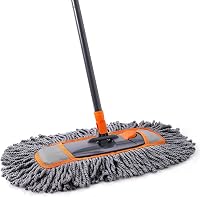
The O-Cedar Dual-Action Microfiber Sweeper Dust Mop has a flexible head for floors and baseboards. Its microfiber and chenille surface traps dust, dirt, and hair instead of dragging them across the planks.
It comes with a mop and a refill, and the head is machine washable. That setup helps you keep a clean pad ready for regular dry cleaning between damp mops.
Can you use a steam mop on laminate floors?
Use a steam mop on laminate only when both the floor maker and the mop maker say it is safe. Some laminate can handle steam, but others can show raised seams or a dull finish.
Steam adds heat as well as moisture, so it is a higher risk than a damp mop. If your floor paperwork does not mention steam, choose damp mopping instead.
When does a steam mop make sense?
A steam mop makes sense when you want sanitizing steam on a sealed floor that allows it. It suits homes that prefer water-only cleaning and want a quick heat-up time.
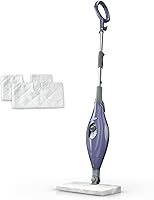
The Shark Steam Pocket Mop S3501 starts steaming in as little as 30 seconds. Shark says it removes 99.9% of common household bacteria with steam using just water, when used as directed.
It includes two double-sided microfiber pads, so you can flip the head and keep cleaning with fewer washes. The 15.2 fluid ounce tank and long power cord help you cover more floor without frequent refills or outlet changes.
When should you skip steam for laminate?
Skip steam when you want the lowest risk for seams and finish. A damp microfiber mop gives you more control over water and heat.
The BISSELL Steam Mop 1940A PowerFresh has a 12 inch cleaning path and three steam settings. It has a flip-down Easy Scrubber for dried-on spots and a 23 foot power cord for wider reach.
BISSELL says it kills 99.9% of germs, bacteria, and viruses when used as directed. Those claims apply only when you follow the directions, and they do not override a laminate maker's ban on steam.
How do you mop laminate wood floors in high traffic areas?
In high traffic areas, mop in small sections and dry seams more often. Entryways, kitchens, and hallways collect grit and moisture first.
Shake or vacuum mats at doors before they track sand inside. That step reduces scratches and means you can use less water during the mop pass.
Use a second dry pad or cloth in busy zones. The floor may look dry while moisture still sits in a joint near a chair leg or a pet bowl.
Our guide to how to mop hardwood floors covers moisture control for wood surfaces. Laminate needs equal care at the seams, even though the care steps look similar.
Which cleaning products are safe for laminate?
Use plain water or a cleaner made for laminate in the smallest amount the label allows. Strong cleaners can leave a haze or weaken the finish with repeat use.
Avoid wax, polish, oil soap, and abrasive cleaners. Those products can build up on laminate and make the surface look dull or slippery.
Test any cleaner in a hidden spot first. Wait a few minutes, dry it, and check for a dull patch before you use it on the full floor.
Rinse is a key word here. If a cleaner leaves a film, the floor will look cloudy and may attract more soil after it dries.
How do you remove streaks after mopping laminate?
Streaks usually come from too much water, too much cleaner, or a dirty pad. Fix them with a clean, barely damp microfiber cloth and light pressure.
Let the floor dry fully first. Then wipe the streaked area with clean water on a well-wrung pad and dry it with a clean cloth.
Change pads often when the floor is large. A loaded pad spreads soil in a thin layer that shows up as streaks under light.
For mop choices that help limit streaks, see the best mop for laminate floors. A flat head and a clean pad make a bigger difference than extra soap.
How do you care for mops and pads after use?
Rinse or wash pads after each use and let them dry fully before storage. A damp pad left in a closed bucket can develop an odor and lose cleaning power.
Machine wash microfiber pads with like fabrics and skip fabric softener. Softener can coat the fibers and reduce how well they pick up soil.
Replace pads when they fray, flatten out, or stop gripping dirt. A worn pad needs more water and more pressure to clean, which is the opposite of what laminate needs.
Our full guide to mops explains head shapes, pad types, and bucket choices. Match the mop to low-moisture cleaning rather than to heavy scrubbing.
What should you know before choosing a mop for laminate and wood?
Choose based on moisture control, pad washability, and fit for your floor type. The best mop for hardwood and laminate floors should handle both surfaces without soaking seams.
If you have mixed floors, a best mop for hardwood and laminate floors guide can help you compare flat mops and steam options. Check each floor maker's limits before you switch tools.
Measure door gaps and tight corners before you buy a wide head. A mop that cannot reach under cabinets may tempt you to use extra water with a brush or cloth.
For homes with rugs on laminate, consider the best vacuum for wood floors and carpet. Dry cleaning first still matters when a rug traps grit at the edges.
How should you mop laminate floors for the best result?
For the best result, dry clean first, damp mop with very little water, and dry seams as you go. That method cleans well and protects the joints.
Pick the O-Cedar for daily dry dusting and light damp touch-ups. Pick a steam mop only when your laminate maker allows steam and you want water-only sanitizing.
That choice keeps moisture where it belongs: a thin film on the surface, not water trapped in the seams.
Frequently asked questions
Can you mop laminate floors?
Yes, you can mop laminate floors with a damp mop and very little water. Wring the mop until it is barely damp, clean one small section at a time, and dry any wet seams right away.
Never use a soaking wet mop or leave standing water.
How much water is safe for laminate?
Only enough to leave a thin damp film that dries within a minute or two. If water pools, drips, or foams up, the mop holds too much.
Wring it again and mop in smaller passes, then check each seam with a dry cloth.
Is steam safe on laminate floors?
Steam is only safe if the laminate maker allows it and the mop maker lists laminate as suitable. Heat plus moisture can raise seams or dull the finish on some floors.
When in doubt, use a damp microfiber mop instead of steam.
How often should you mop laminate?
Most homes need mopping once a week, with spot cleaning after spills. High traffic, pets, and kids may need more frequent damp mopping.
Dry dusting between mops often reduces the need for wet cleaning.