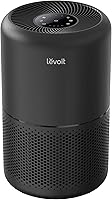
What Is a HEPA Filter in an Air Purifier?
A HEPA filter in an air purifier is a pleated filter designed to capture very small airborne particles as the purifier pulls air through it. Check the efficiency claim, room cleaning rate, filter replacement needs, and whether the filter is true HEPA or described as HEPA-grade.
On this page (8 sections)
- What is a HEPA filter in an air purifier?
- How does HEPA filtration work?
- Is HEPA-grade the same as a HEPA filter?
- What should you check before choosing a HEPA air purifier?
- Can a furnace filter replace an air purifier HEPA filter?
- Which air purifier features matter for common needs?
- What does HEPA filtration not tell you?
- How do you choose the right purifier?
A HEPA filter in an air purifier captures very small airborne particles as the device draws room air through filter media. To compare purifiers, check what the HEPA claim means, how much air the unit cleans for your room, and how replacement filters fit into upkeep.
A HEPA filter is only one part of an air purifier. The fan, airflow path, room coverage, and filter seal all affect how the complete machine circulates and cleans air.
What is a HEPA filter in an air purifier?
A HEPA filter is a dense, pleated filter intended to capture small particles from air passing through it. In a purifier, a fan pulls room air through the filter and sends the filtered air back into the room.
HEPA filtration is for particles such as dust, pollen, and pet dander. It doesn't automatically remove gases or odors, which may call for a separate gas filter such as activated carbon.
The term alone doesn't tell you how quickly a purifier can clean a room. For the basics of choosing a unit for a particular space, see our guide to what an air purifier for home use does.
How does HEPA filtration work?
Air moves through the purifier's filter, where particles are captured by the filter media. The fan keeps room air circulating so more of it can pass through the filter over time.
The filter needs to sit properly in its housing. Gaps around a filter can let air bypass the media, while a dirty filter or restricted airflow can affect how the purifier runs.
A purifier's performance also depends on its clean air delivery rate, often shown as CADR. Compare the rate with the room size and the amount of air circulation you want, rather than judging the filter label by itself.
What does a filtration efficiency percentage mean?
A filtration percentage describes the share of particles captured under stated test conditions. Check the particle-size range and test method, because a percentage without those details is hard to compare fairly.
For example, Levoit says the Core 300-P's original filter captures 99.97% of airborne particulates from 0.1 to 0.3 microns, based on independent lab testing. The brand describes its filter as HEPA-grade while operating in Sleep Mode, based on testing to IEST RP C001.7.
That wording is specific to the stated model and operating mode. It doesn't mean every replacement filter or every purifier with a HEPA label has the same performance.
Is HEPA-grade the same as a HEPA filter?
HEPA-grade and HEPA aren't labels you should assume mean the same thing. Read the brand's description and look for the test conditions, particle range, and whether the claim applies to the included filter or a particular mode.
The Levoit Core 300-P is described as HEPA-grade in Sleep Mode, and the brand provides a particle-size range and efficiency figure for its filter. Those details make the claim more useful to evaluate than the phrase alone.
For more on the purifier category and its terminology, read what a HEPA air purifier is. If you are also comparing ionizing models, our guide to what an air purifier ionizer is explains that separate feature.
What should you check before choosing a HEPA air purifier?
Match the purifier's clean air delivery and room coverage to the space where you'll use it. Then check the filter claim, replacement options, noise, controls, and the machine's intended voltage.
Room size and clean air delivery
Look for a stated CADR and room coverage, then check what conditions those figures describe. Coverage can be expressed as one air change rate or another, so compare like with like when you can.
The Levoit Core 300-P lists CADR figures of 143 CFM for smoke, 153 CFM for dust, and 167 CFM for pollen. Its stated coverage is 222 sq ft at 4.8 air changes per hour, or 1,073 sq ft at one air change per hour.
Choose a purifier based on the room where it will run most often. A large coverage number may describe slower circulation, so check the air-change rate that matches your needs.
Filter replacement and fit
Check the filter model and replacement schedule before buying. Levoit recommends replacing the Core 300-P filter every 6 to 8 months and advises using official replacement filters designed for the unit.
AROEVE recommends replacing the MK01A filter cartridge every 3 to 6 months. It also has a replacement reminder indicator, which can help you keep track of routine upkeep.
Filter availability and cost can affect ownership over time. Confirm that the replacement filter matches your exact purifier model before ordering.
Noise, controls, and placement
A purifier runs best when it has room for air to enter and exit. For setup and placement steps, see how to use an air purifier at home.
Check the placement guidance and leave space around the unit rather than pressing it against furniture or curtains.
Noise and control options matter if the purifier will run in a bedroom. Compare air purifiers for bedrooms for room-specific options.
The Levoit Core 300-P includes Sleep Mode at a stated 24 dB and lets you turn off the display lights; the AROEVE MK01A lists filtered-air noise as low as 22 dB in Sleep Mode.
The Levoit Core 300-P uses manual fan-speed control. Its 120 V power requirement is suitable for use only in the United States, so check voltage compatibility where you live.
Can a furnace filter replace an air purifier HEPA filter?
A furnace filter and a portable air purifier filter serve different equipment, so one isn't a direct replacement for the other. A furnace filter sits in an HVAC system, while an air purifier's filter is designed for that specific unit.
The Filterbuy 18x24x1 is a MERV 8 HVAC filter for compatible furnaces, air conditioners, and heat pumps. Filterbuy says its synthetic media captures 90% of dust, pollen, lint, mold, and other particles without restricting airflow.
Measure the existing HVAC filter and check the system's allowed filter rating before buying. A MERV rating isn't interchangeable with a HEPA claim, and a filter that restricts airflow can be a poor fit for an HVAC system.
If the goal is to clean air in a room, compare dedicated units in our guide to the best air purifier with HEPA filter.
Which air purifier features matter for common needs?
Start with the particles or room conditions you want to address, then check that the purifier's stated filtration and airflow match. A HEPA-style particle filter, an odor filter, and an ionizer are different features.
For dust, pollen, and pet dander
The Levoit Core 300-P is worth considering if you want a purifier with a stated particle-efficiency figure and CADR ratings for smoke, dust, and pollen. Its 3-stage filter comes pre-installed, and Levoit identifies pet dander among the particles it filters.
Its room coverage varies with air changes per hour, so use the 222 sq ft figure at 4.8 air changes per hour when comparing more intensive circulation. The larger 1,073 sq ft figure is stated at one air change per hour.
For a small bedroom
The AROEVE MK01A may suit a bedroom if you want a compact purifier with Sleep Mode and a filter replacement reminder. It uses 360-degree air inlets and is rated for rooms up to 287 sq ft.
AROEVE says Sleep Mode reduces the fan to its lowest setting and filtered-air noise can be as low as 22 dB. The unit also has an aroma pad for essential oil, but the oil is not included.
For brand-specific options, compare our guide to the best GermGuardian air purifier. If you want to focus on the H13 label, see best H13 HEPA air purifiers.
What does HEPA filtration not tell you?
A HEPA label doesn't tell you how quickly a purifier cleans your room or whether it removes odors. Check the room coverage, CADR, filter type, and any separate gas-filter stage.
A particle filter also doesn't remove particles already settled on floors or furniture. Normal cleaning still helps reduce settled dust and debris.
An ionizer is a separate feature, not another name for a HEPA filter. If a purifier includes one, read how the feature works and what the manufacturer says about its use.
How do you choose the right purifier?
For a room-focused purifier, choose a model with a clear filter claim, room coverage at a stated air-change rate, and replacement filters that fit the unit. The Levoit provides CADR figures and a particle-size efficiency claim; the AROEVE offers a smaller-room rating and replacement reminder.
For a central HVAC system, choose a correctly sized furnace filter that meets the system's requirements. The Filterbuy MERV 8 is one option for compatible HVAC equipment, but it does not replace a portable air purifier's filter.
If you want to compare dedicated units, start with our best air purifiers with HEPA filters. For an HVAC filter, verify the dimensions and allowed rating before you buy.
Our product notes weigh stated specs and features against the needs of someone comparing air filtration. These products aren't interchangeable: choose an HVAC filter for compatible central equipment, or a portable purifier for room air.
Frequently asked questions
What does a HEPA filter do in an air purifier?
A HEPA filter captures small airborne particles as air moves through its filter media. The actual performance depends on the purifier's design, airflow, filter seal, and how the unit is used, so compare the efficiency claim with clean air delivery and room size.
Is HEPA-grade the same as true HEPA?
Not necessarily. HEPA-grade is a label some brands use for filtration performance, while true HEPA usually refers to a defined filter standard.
Check the maker's wording, test basis, and particle-size range before comparing two purifiers.
Does a HEPA air purifier remove odors?
A HEPA filter targets particles, not gases and odors by itself. Some purifiers pair it with activated carbon or another gas filter; check the filter type and avoid assuming that a HEPA label means odor removal.
How often should you replace an air purifier HEPA filter?
Follow the purifier maker's replacement schedule because filter life varies by model, use, and air conditions. Check whether the unit has a filter reminder, whether replacement filters are easy to find, and whether the maker recommends a specific filter.