What Is an Air Purifier Ionizer?
An air purifier ionizer releases charged ions that attach to airborne particles, making them more likely to settle on surfaces or collect on a plate. It works differently from a mechanical filter, which traps particles as air passes through it.
On this page (9 sections)
- What is an air purifier ionizer?
- How does an air purifier ionizer work?
- How is ionization different from mechanical filtration?
- Is an ionizer the same as a HEPA air purifier?
- Does an air purifier with an ionizer also need a filter?
- What should you consider before using an ionizer?
- How do you use an air purifier with an ionizer?
- Is an ionizer right for your room?
- What is an air purifier ionizer, in short?
An air purifier ionizer releases charged ions that attach to airborne particles, making them more likely to settle on surfaces or collect on a plate. It differs from a mechanical filter, which traps particles as air passes through filter material.
An ionizer is one method of treating indoor air, not a synonym for an air purifier. To choose the right setup, understand where the particles go, how filtration works, and whether the device has both features.
What is an air purifier ionizer?
An air purifier ionizer is a device feature that adds electrical charges to particles in the air. Those particles may then clump together, stick to nearby surfaces, or collect on an oppositely charged plate, depending on the design.
The word “ionizer” describes the charging method. It does not tell you the device’s particle capture rate, room coverage, or whether it includes a physical filter.
How does an air purifier ionizer work?
An ionizer releases ions into the air, and those ions attach to particles such as dust. The added charge can make particles attract one another or surfaces, which changes where they end up.
Some designs include a collection plate that attracts charged particles. Others rely on particles settling on surfaces in the room, which you then need to clean.
An ionizer’s effect depends on its design and the conditions where it runs. Look for clear instructions about its controls and maintenance rather than assuming all ionizers work the same way.
What happens to particles after ionization?
After charging, particles may settle on floors, furniture, or walls, or collect on a plate inside the device. They have changed location, but that does not always mean they have been removed from the room.
With a mechanical filter, captured particles stay in the filter until you clean or replace it. This difference matters if you want to reduce airborne particles without needing to wipe more surfaces.
How is ionization different from mechanical filtration?
Ionization changes the electrical charge on airborne particles; mechanical filtration physically captures particles in filter media. A purifier may use one method or combine them, so check the specific features before choosing.
A mechanical air cleaner draws air through material designed to catch particles. The filter holds what it captures, and its performance depends on the filter type and how air moves through the unit.
An ionizer can work without catching particles in a conventional filter. That means you should consider what happens to charged particles after they leave the airflow, and whether the device has a collection plate or relies on room surfaces.
For a fuller comparison of the two device types, see air purifier vs air filter. An air filter in a home HVAC system also differs from a room purifier because it is installed in the heating or cooling system.
Is an ionizer the same as a HEPA air purifier?
No. A HEPA air purifier uses a physical filter to capture particles from moving air, while an ionizer charges particles.
For more detail, see what a HEPA filter does in an air purifier.
A unit can include both, but one feature does not automatically mean it has the other.
If you are comparing filter-based purifiers, our guide explains what a HEPA air purifier is. Check the device’s filter type and whether an ionizer can be switched off independently.
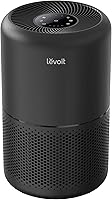
The Levoit Core 300-P uses a 3-stage filter and has a Sleep Mode in which the brand describes its original filter as HEPA-grade. Its product information does not identify an ionizer feature.
Choose a filter-based model if you want a device that moves air through replaceable filter media. Check its room coverage and replacement filter guidance against the space where you plan to use it.
Does an air purifier with an ionizer also need a filter?
An air purifier with an ionizer may also use a filter, but the two features do different jobs. The ionizer charges particles, while the filter can physically capture particles carried through it.
Read the controls and care instructions to learn which parts can be turned off, cleaned, or replaced. If the unit has both an ionizer and a filter, you should understand how each operates instead of treating the two features as interchangeable.
For example, the AROEVE MK01A uses a filter to capture particles such as smoke, pollen, dander, and hair. Compare air purifiers for pets for pet-related needs.
Its product information describes a replacement reminder and a recommended filter replacement interval of 3 to 6 months, but does not identify an ionizer feature.
A separate HVAC filter may also help capture particles as air moves through a central heating or cooling system. The Filterbuy 18x24x1 MERV 8 filter is designed for compatible furnaces, air conditioners, heat pumps, and HVAC systems, so confirm your system’s required size before choosing one.
What should you consider before using an ionizer?
Check the manual for the ionizer’s operating instructions, controls, and maintenance needs. A product name alone does not tell you whether its ionizer can be switched off or how it collects charged particles.
Consider where particles may settle if the unit does not collect them on a plate. You may need to clean nearby surfaces as part of normal room care.
Also check whether the device uses a filter and how often that filter needs attention. If you want to compare room purifiers for home use, start with our air purifier buying guide for home.
How do you use an air purifier with an ionizer?
Use the purifier according to its manual, including the instructions for any ionizer switch and filter replacement. Keep the unit’s air intake and outlet clear so air can circulate as intended.
If the ionizer is optional, check whether the manual explains how to turn it on or off. For placement and everyday operation, see how to use an air purifier at home.
Don’t assume a purifier’s advertised coverage means it cleans every part of a home equally. Room layout, placement, and the device’s stated coverage all affect how you use it.
Is an ionizer right for your room?
An ionizer may suit you if you want a device that charges airborne particles, especially if it also has a collection plate. If you prefer particles to collect in a replaceable filter, compare filter-based purifiers and their maintenance needs.
For a room-focused filter option, the Levoit Core 300-P lists coverage up to 1,073 sq ft at one air change per hour and a 222 sq ft room at 4.8 air changes per hour. Compare air purifiers for bedrooms for room-specific options.
The AROEVE MK01A lists coverage up to 287 sq ft, which may fit a smaller room.
Choose based on the cleaning method you want and the room where you will use it. For an ionizer, check how particles are collected; for a mechanical purifier, check the filter type and replacement guidance.
What is an air purifier ionizer, in short?
An air purifier ionizer charges airborne particles so they may settle on surfaces or collect on a plate. Mechanical filtration works by trapping particles in filter media, and a purifier may combine both methods.
Pick an ionizer if its charging method and care needs suit your room. Pick a filter-based purifier if you want captured particles held in replaceable media, and compare HEPA air purifiers when physical filtration is your priority.
Frequently asked questions
What does an ionizer do in an air purifier?
An ionizer releases charged ions that attach to airborne particles. The charged particles may settle on nearby surfaces or collect on a charged plate, depending on the design.
An ionizer changes how particles behave, while a mechanical filter captures particles as air flows through its filter media.
Is an ionizer the same as a HEPA filter?
No. An ionizer uses electrical charges to affect airborne particles, while a HEPA filter is a physical filter that captures particles in moving air.
Some air purifiers use more than one cleaning method, so check the device's filter and ionizer controls to know which features it has.
Does an ionizer remove particles from a room?
An ionizer can make particles settle on surfaces or collect on a plate, but that does not mean every particle is removed from the room. A mechanical filter holds captured particles in the filter until you replace it, so it offers a different way to collect airborne material.
Should you run an air purifier ionizer all the time?
Follow the device manual and use its controls as directed. If the purifier lets you turn the ionizer off separately, you can compare how the unit operates with that feature on and off.
Keep the filter clean or replace it on schedule if the purifier also uses mechanical filtration.