How to Use a Steam Cleaner on Upholstery
To use a steam cleaner on upholstery, check the fabric code, spot test a hidden area, and use short passes with a cloth barrier. Keep the fabric damp, not soaked, then blot, air dry, and vacuum once fully dry.
On this page (9 sections)
- Can a steam cleaner work on all sofas and chairs
- What fabric codes tell you before you start
- How do you spot test upholstery before steaming
- What tools and settings should you use for furniture
- How do you steam clean a sofa step by step
- How do you control moisture so cushions do not stay wet
- How long does upholstery need to dry after steaming
- When should you skip steam and use another cleaner
- How do you keep steamed upholstery fresh between cleans
To use a steam cleaner on upholstery, check the fabric code, spot test a hidden area, and use short passes with a cloth barrier. Keep the fabric damp, not soaked, then blot, air dry, and vacuum once fully dry.
How to use a steam cleaner on upholstery comes down to control. Heat helps loosen surface soil, but water is the part that can cause trouble.
A light touch gives you a fresher look without making the chair feel damp for a day.
Can a steam cleaner work on all sofas and chairs
Short answer: steam works on many sofas and chairs, but not every fabric or every piece. The care tag and the cleaner manual matter more than the machine itself.
Most upholstery tags use a letter code. W means water based cleaning is usually allowed.
S means solvent based cleaning only, so skip steam. WS means either water or solvent may work.
X means vacuum only and no liquid at all.
Treat the code as a starting point, not a promise. Some W fabrics still dislike strong heat, and some older pieces have weak seams or padding that should not get wet.
When in doubt, choose a dry brush and vacuum instead.
If you are unsure which tool to buy, our guide to a steam cleaner explains tank size, heat time, and attachments in plain terms. That context helps you pick a model that suits furniture rather than only floors.
What fabric codes tell you before you start
The code on the tag tells you the safest cleaning method for that fabric. Read it before you fill the tank, not after you start.
W is the clearest yes for steam. WS is a cautious yes, so test first.
S and X are no, even if the stain looks stubborn. The tag may also name the fiber, such as cotton, linen, polyester, or microfiber.
Look for extra warnings on the tag. Labels that say do not use water, dry clean only, or keep away from heat should stop the job.
Silk, velvet, some wool blends, and delicate brocade often fall into that group.
How do you spot test upholstery before steaming
Spot test a hidden edge or the back of a cushion with a small amount of steam. Wait at least 10 minutes, then check for color change, shine, shrinkage, or a ring.
Choose a spot that is hard to see but made of the same fabric. The underside of a seat cushion or the rear panel works well.
Hold the nozzle a few inches away and use one short burst.
Check the cloth you use as a barrier, too. A white cotton cloth will show if dye transfers.
If color comes off, or the fabric feels rough or stiff after drying, stop and use a gentler method.
Steam cleaning is not a stain remover for every mark. For a spill, blot first, then test the cleaner on the spot.
If you want a broader view of tools, read How To Use A Steam Vacuum Cleaner? before you begin.
What tools and settings should you use for furniture
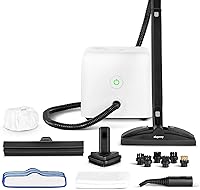
Use low to medium steam, a wide upholstery head, and a clean cotton cloth as a barrier. Small nozzles can focus too much heat in one place.
Let the machine reach the temperature the maker recommends. Start with the lowest useful setting, then add more only if the fabric and the test spot allow it.
Keep the head moving at all times.
A microfiber or cotton cloth between the nozzle and the fabric spreads the steam and catches loose soil. Swap the cloth when it looks dirty, so you do not press old soil back into the weave.
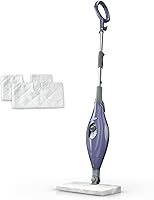
A small handheld model is often easier to control on a chair than a large mop style unit. Our picks for the best portable steam cleaner for upholstery focus on that control.
Which attachment works best on cushions
A wide flat head works best on cushions and seat backs. It covers more area with less pressure, so you can use short strokes in one direction.
Small round brushes suit seams and buttons, but use them with care. Bristles can snag loose threads or raise the nap on some fabrics.
Keep the brush moving and avoid scrubbing the same spot.
How do you steam clean a sofa step by step
The basic order is vacuum, test, steam in short passes, blot, and dry. Work in small sections so one area does not stay wet while you finish the rest.
Start by removing cushions if they come off easily. Vacuum each cushion, the seat base, and the crevices with the upholstery tool.
Take pet hair and crumbs out now, because steam can set loose soil deeper.
Fill and heat the cleaner as directed, then attach the wide head and cloth. Hold the head about 2 to 3 inches from the fabric and make slow passes.
Overlap each pass by a little and let the cloth do the work.
After each section, press a dry cloth into the fabric to lift moisture. Check the cloth often.
If it is very wet, wring it out or use a fresh one before you move on.
How do you clean seams and buttons safely
Clean seams and buttons with the side of the cloth, not the tip of the steamer. Seams can shrink, and buttons can loosen if they get too much heat and moisture.
Keep the nozzle at an angle and move quickly along the seam. Blot right away with a dry cloth.
If a button feels loose, stop and check the stitching before you add more steam.
How do you control moisture so cushions do not stay wet
Control moisture by using brief passes and blotting after every few strokes. The goal is a lightly damp surface that dries fast, not a wet cushion.
Think of the fabric as a sponge. Once it looks dark and feels wet, more steam will not help.
It will only slow drying and raise the risk of rings or a musty smell.
Use a fan in the room to move air across the surface. Open a window if the weather allows it.
Air flow matters more than extra heat, and it helps the padding below the fabric dry too.
If you soaked an area by mistake, blot hard with dry towels, then set a fan close by. Do not sit on the spot until it feels dry.
Thick cushions may need a full day.
The best steam cleaner for carpet and upholstery guide shows why floor settings are often too strong for furniture. A gentler setting usually does a better job on a chair.
How long does upholstery need to dry after steaming
Most upholstery needs 2 to 6 hours to dry after light steaming. Thick padding, cool rooms, or heavy moisture can push that to 24 hours.
Touch the fabric in a few places, including a seam and a cushion edge. It should feel dry, not cool and damp.
A cool touch often means water is still sitting below the surface.
Leave cushions off the base while they dry if you can. That lets air reach both sides.
Flipping a cushion halfway through the day helps, too.
Do not use a hair dryer or a heat gun to speed the job. Strong direct heat can set a stain, damage glue, or shrink the fabric.
A fan and patience are safer.
When should you skip steam and use another cleaner
Skip steam when the tag says S, X, or dry clean only, or when the fabric is delicate. A vacuum and a dry brush may be the safest option for those pieces.
Velvet, silk, some wool, and antique upholstery often need a pro. Steam can crush the nap on velvet or leave a shine on silk.
If the piece has value, a specialist is worth the cost.
Some stains also need a different approach. Oil based marks may not lift with steam alone, and old set stains may need a product made for that fabric type.
Check the Best Carpet Cleaner For Upholstery guide if you need a liquid cleaning option instead.
Our comparison of steam cleaner vs upholstery cleaner explains when extraction cleaning works better than steam. That choice often comes down to fabric code and soil level.
How do you keep steamed upholstery fresh between cleans
Keep upholstery fresh with weekly vacuuming, quick blotting of spills, and steam only every few months. Light care keeps you from needing heavy steam later.
Vacuum seat cushions and arms once a week if you have pets or kids. Blot spills right away with a clean cloth, working from the outside of the spot toward the center.
That move helps stop the mark from spreading.
Rotate cushions so wear spreads out. Flip and turn them each month, and check seams and buttons while you do it.
Small fixes now stop a loose button from becoming a tear.
If you steam the whole sofa, do it on a day when you can leave the room open for air. For rugs and hard floors, the best floor and upholstery steam cleaner guide covers multi surface models.
For area rugs, see the best steam cleaner for rugs and upholstery guide.
How to use a steam cleaner on upholstery works best when you slow down. Check the code, test a hidden spot, keep passes short, and blot as you go.
That simple order protects the fabric and gives you a clean result you can use the same day.
Frequently asked questions
Can you steam clean all upholstery fabrics?
No. Steam suits many W and WS coded fabrics, but it can damage delicates, silk, velvet, and some synthetics.
Check the care tag and the cleaner manual first, and skip steam if the label says dry clean only or do not use water.
How long should upholstery take to dry after steaming?
Most lightly steamed upholstery dries in 2 to 6 hours with good air flow. Thick cushions, deep padding, or heavy moisture can take 24 hours.
The fabric should feel dry to the touch before you sit on it or replace the covers.
Should you vacuum before you steam clean upholstery?
Yes. Vacuum first with an upholstery tool to remove crumbs, pet hair, and loose soil.
Steam works best on the surface you can see, and daily dirt can turn into mud if you push it deeper with heat and moisture.
What is the biggest mistake when steaming sofas?
The biggest mistake is soaking the fabric. Too much moisture can leave rings, shrink seams, encourage mildew, and make padding stay damp for days.
Use brief passes, a dry cloth, and stop while the fabric is only lightly damp.