Should You Dust Or Vacuum First When Cleaning?
On this page (6 sections)
When tackling your cleaning routine, you should always dust first, then vacuum. This method ensures that any dust particles dislodged from surfaces fall onto the floor, ready to be picked up by your vacuum cleaner. If you are new to vacuuming, see our guide to using a vacuum for the first time.
By following the “dust first, vacuum second” rule, you prevent having to re-clean your floors and achieve a truly cleaner living space.
- Always dust your surfaces first before turning on the vacuum.
- Dusting sends particles downward, making them easy for the vacuum to collect.
- This prevents re-doing work and saves you time and effort.
- Consider cleaning from top to bottom for maximum efficiency.
Should You Dust Or Vacuum First When Cleaning?
You absolutely should dust your room first, then vacuum. This cleaning sequence is the most effective way to capture all loose dirt and dust, leaving your home much cleaner.
Think of it like this: gravity is your co-pilot in cleaning. When you dust shelves or furniture, those tiny particles float down. Where do they land? Right onto your floors, rugs, and carpets.
If you vacuum first, you’ll pick up existing floor debris. But then, your dusting will scatter new dust onto your freshly vacuumed floors. This means you’d need to vacuum again, doubling your effort. Nobody wants that!
Why the Cleaning Order Matters
The core reason for this order is simple physics. Dust isn’t magic; it settles. When you wipe down a surface, some particles become airborne. Eventually, they float down.
If your floors are already vacuumed, those falling particles will simply re-dirty them. By dusting first, you guide all the loose debris to the lowest point in the room: the floor. This makes it a single, efficient cleanup job.
The “Top-Down” Cleaning Rule
This principle extends beyond just dusting and vacuuming. Many experts recommend a top-down cleaning approach. Start with the highest points in a room, like ceiling fans or light fixtures.
Move downwards to shelves, tables, and then finally to the floors. This systematic method ensures that dirt and dust only move in one direction – down – simplifying your entire cleaning process.
When to Dust First
The vast majority of the time, dusting should always precede vacuuming. This applies to your regular weekly or bi-weekly cleaning routine. Whether you’re tidying a bedroom or giving your living room a deep clean, stick to this order.
Clearing Surfaces
Begin by clearing surfaces of clutter. This makes dusting easier and more thorough. Use a damp cloth or a microfiber duster to trap dust, rather than just spreading it around.
Remember to clean items like lamps, picture frames, and electronics before moving to the floor. Any disturbed dust will then fall onto the floor below.
When to Vacuum First (Rare Cases)
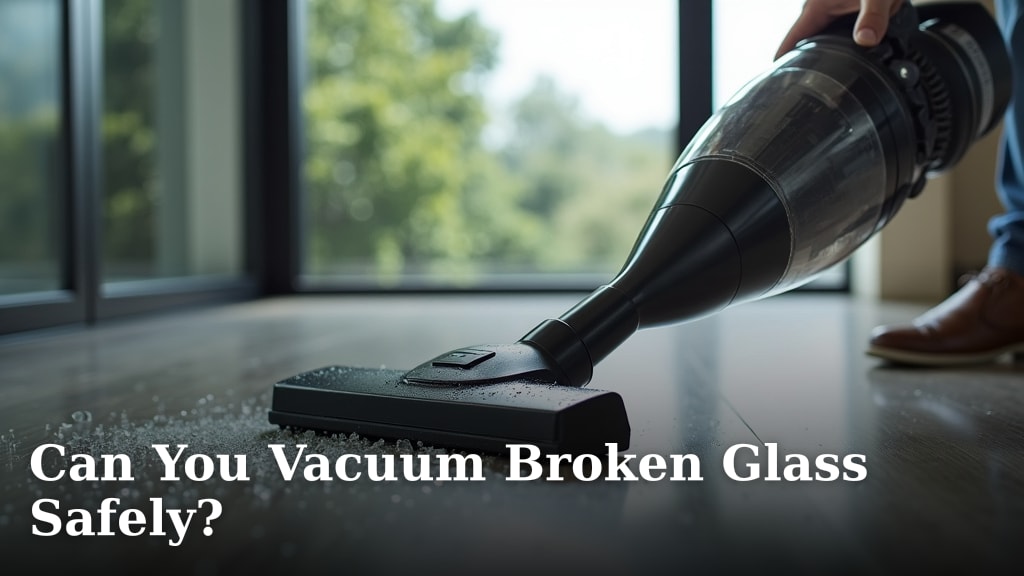
There are rare exceptions to every rule, and cleaning is no different. Sometimes, you might need to vacuum first. For instance, if you have a major spill of large debris like broken glass or soil, it’s safer and more practical to vacuum that up immediately.
Or perhaps you’ve had some construction work, and there’s a thick layer of heavy dust or tiny plaster bits. In these specific scenarios, a quick preliminary vacuum might be sensible to prevent larger particles from scratching surfaces while dusting.
Heavy Debris vs. Fine Dust
If your floor is covered in heavy dirt, sand, or large crumbs, a quick vacuuming pass might be useful before dusting. This prevents you from simply sweeping heavier items around with a duster. However, this is distinct from routine fine dust.
For everyday cleaning, where the main concern is fine household dust and pet dander, the “dust first” rule remains supreme. Most cleaning guides support this strategy (Good Housekeeping).
Your Ideal Cleaning Workflow
Ready to master your cleaning routine? Here’s a simple workflow to follow for optimal results. It breaks down the process into easy-to-manage steps, guiding you to a sparkling home.
Getting Ready for the Clean
First, gather all your cleaning supplies. This might include microfiber cloths, a duster, furniture polish, glass cleaner, and your trusty vacuum cleaner with its attachments. Having everything ready saves time.
Start High, Finish Low
Begin at the highest points in the room. Dust ceiling fans, light fixtures, and the tops of tall furniture. Work your way down to shelves, picture frames, and window sills. This ensures all falling dust settles on the floor.
Dusting Techniques for Success
Using the right tools makes a difference. We found that microfiber cloths are excellent for trapping dust rather than just pushing it around. Dampening the cloth slightly can also improve its dust-catching ability.
- Wipe surfaces in a single direction to gather dust effectively.
- Clean blinds or shutters by wiping each slat individually.
- Don’t forget to dust electronics, using appropriate cleaners if needed.
- Change or wash your dusting cloths frequently to avoid spreading dirt.
Vacuuming Smartly
Once all your dusting is complete, it’s time to vacuum. Move furniture when possible to get those hidden dust bunnies. Use your vacuum’s attachments for tight corners, upholstery, and baseboards.
Vacuum in overlapping passes to ensure you cover every inch of carpet or hard floor. For carpets, research often connects slow, deliberate passes with more effective dirt removal (Carpet and Rug Institute).
Choosing the Right Vacuum
Selecting the correct vacuum cleaner can also impact your efficiency. An upright vacuum is great for large carpeted areas, while a canister vacuum with its attachments excels on hard floors and for detailing. Before wet cleaning carpet, see our guide on vacuuming before carpet cleaning. Robotic vacuums can maintain cleanliness between deeper cleans.
The Dust vs. Vacuum Dilemma: A Quick Look
Still wondering about the best approach? This simple table highlights the common scenarios and the recommended action to take.
| Cleaning Scenario | Best First Step | Why It Works |
|---|---|---|
| Routine household cleaning | Dust first | Dust falls to the floor, ready for vacuuming. |
| Heavy debris (e.g., broken glass, large crumbs) | Vacuum first (local area) | Safely removes large hazards without scattering. |
| Post-renovation fine dust (thick layer) | Vacuum first (rough pass) | Removes bulk of heavy dust before fine cleaning. |
| Allergy-focused cleaning | Dust first (damp cloth) | Traps allergens effectively, then vacuums residual. |
Your Pre-Vacuum Checklist
Before you even think about plugging in your vacuum, run through this quick checklist. It will make your vacuuming more effective and your whole cleaning process smoother.
- Dust all elevated surfaces, including shelves and decor.
- Wipe down tables, nightstands, and countertops.
- Clean ceiling fans and light fixtures.
- Brush or wipe down upholstered furniture to dislodge pet hair or crumbs.
- Empty wastebaskets to prevent spills.
- Tidy up any clutter on the floor, picking up small items.
The Science Behind the Dust Dance
Understanding why dust falls is key to efficient cleaning. Dust is a mix of dead skin cells, pet dander, fabric fibers, soil particles, and even tiny insect fragments. These tiny particles are always in motion, but gravity ensures they eventually settle.
When you disturb a surface, these particles become airborne. They drift around for a while, suspended in the air. Over time, they slowly fall back down. If your floors are already clean, this falling dust will simply make them dirty again.
Airborne Particles and Your Health
Beyond cleanliness, the order matters for your health too. Many experts say that proper dusting and vacuuming can significantly improve indoor air quality. Dust often contains allergens like pollen, pet dander, and dust mite droppings (NIH).
By dusting with a damp cloth first, you capture these allergens rather than sending them swirling into the air. Then, a thorough vacuuming pass with a good filter (like a HEPA filter) can remove those settled allergens from your floors, making your home a healthier place.
Conclusion
The answer is clear: dust first, then vacuum. This simple yet highly effective strategy works with gravity, not against it, to ensure a truly deep clean for your home. By adopting a top-down approach and using the right tools, you will save time, reduce effort, and create a much healthier environment.
So, the next time you pick up your cleaning supplies, remember to start high and finish low. Your efforts will result in a noticeably cleaner space you can truly enjoy.
Does the type of vacuum matter for cleaning order?
While the type of vacuum doesn’t change the dust-first rule, a vacuum with a good filtration system (like a HEPA filter) is very helpful for capturing the dust that falls to the floor. This is especially true after you’ve stirred up particles from dusting, making your vacuum choice quite important for a complete clean.
How often should I dust and vacuum?
Most households benefit from dusting and vacuuming at least once a week. If you have pets, allergies, or a busy household, you might find more frequent cleaning (every few days) provides better air quality and a tidier home. Consistency is often more important than intensity.
What if I use a robot vacuum? When should I dust?
If you use a robot vacuum for daily maintenance, you should still perform your manual dusting before its scheduled run. For better coverage along walls and corners, compare robot vacuums for edge cleaning. Consider running the robot vacuum after your manual dusting for a complete cleanup. Some people schedule their robot vacuum to run after they leave for work on “dusting day” to pick up any settling particles.
Can dusting sprays help reduce dust?
Dusting sprays can be beneficial. Many contain ingredients that help attract and hold dust to your cloth, rather than just scattering it. They can also leave a protective layer that temporarily repels new dust, making future cleaning a bit easier. Always choose sprays appropriate for your furniture’s finish.
What about ceiling fans and blinds? Should I dust them first?
Absolutely, always dust ceiling fans and blinds first. These are high-level surfaces that hold a lot of dust. When cleaned, they release a significant amount of debris downwards. Tackle them before any lower surfaces or floor cleaning to prevent re-dirtying other areas of your room.