
What Is A Good Lightweight Vacuum Cleaner?
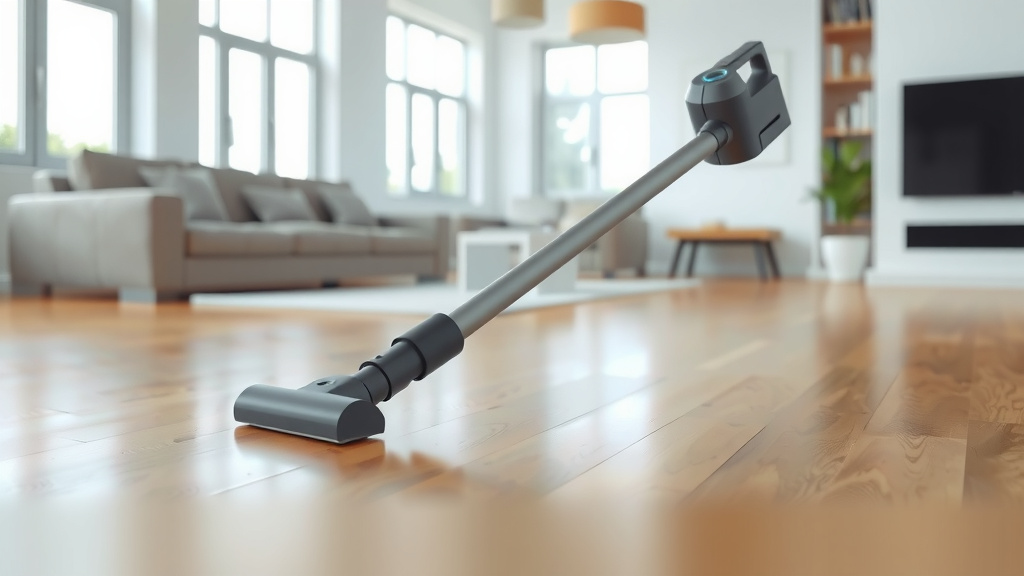
A good lightweight vacuum cleaner balances easy maneuverability with effective cleaning power, typically weighing between 5 to 9 pounds.
It performs well on your specific floor types and comes with enough battery life or cord length to tackle your cleaning tasks without feeling cumbersome.
- A good lightweight vacuum offers easy handling and effective dirt pick-up.
- Look for a weight between 5 to 9 pounds for optimal balance and portability.
- Consider its suction power, battery duration (for cordless models), and versatility for your home.
- The best choice depends on your floor types, cleaning frequency, and storage needs.
- It should simplify your cleaning routine, not complicate it, providing genuine convenience.
What Is A Good Lightweight Vacuum Cleaner?
A good lightweight vacuum cleaner is one that feels incredibly easy to use, yet still manages to clean your home effectively.
It simplifies your cleaning routine, removing the dread of lugging around a heavy machine.
Why Go Lightweight? The Freedom Factor
Have you ever dreaded vacuuming because your current machine feels like a small car?
Many of us have. That’s why a lightweight vacuum cleaner can be a true game-changer for your home.
Think about it: no more straining your back, struggling up stairs, or wrestling with a heavy, bulky device.
It’s about making cleaning less of a chore and more of a quick, almost effortless task, giving you back precious time and energy.
The Power-to-Weight Ratio: A Key Metric
When you’re searching for a good lightweight vacuum, don’t just look at the weight. It’s also about what kind of cleaning power it packs.
We found that a vacuum can be light but still offer powerful suction (Consumer Reports).
You want a machine that feels like a feather but cleans like a heavyweight champion.
Types of Lightweight Vacuums: Finding Your Match
The world of lightweight vacuums is surprisingly diverse. Each type offers unique benefits.
Understanding these differences helps you choose the perfect cleaning companion for your household.
Stick Vacuums: The Agile All-Rounder
Stick vacuums are perhaps the most popular lightweight option. They’re slim, easy to store, and often cordless.
Many experts say they are fantastic for quick clean-ups and navigating around furniture with ease (Good Housekeeping).
They are a solid choice if you need to clean multiple floor types.
Handheld Vacuums: Quick Clean-Up Champs
Think of handheld vacuums as your trusty sidekick for spills and small messes.
They are incredibly light and portable, perfect for car interiors, upholstery, or those crumbs under the kitchen table.
While not for whole-house cleaning, they are indispensable for immediate tidying.
Compact Uprights: Power in a Smaller Package
Some upright vacuums are designed to be much lighter than traditional models.
These can offer more dustbin capacity and stronger suction than stick vacuums, while still being manageable.
If you prefer the upright style but want less bulk, this could be your ideal solution.
Essential Features to Look For
Choosing a lightweight vacuum isn’t just about how much it weighs.
It’s about how well it integrates into your life and cleans your unique space. Let’s dig into the details.
Suction Strength: Don’t Compromise
Just because a vacuum is light doesn’t mean it should lack power. We found that good lightweight models maintain strong suction.
Always check reviews or specifications to ensure it can handle your cleaning challenges, like pet hair or embedded dirt.
Battery Life and Charging Time
For cordless lightweight vacuums, battery life is incredibly important. You don’t want your vacuum to die halfway through cleaning.
Consider your home size and cleaning habits. A good model offers sufficient run-time and a reasonable charging period.
Filtration Systems: Breathe Easy
A good filtration system, especially a HEPA filter, captures tiny dust particles and allergens.
Research often connects better indoor air quality with effective vacuum filtration (Environmental Protection Agency).
This feature is a must-have if anyone in your home deals with allergies or asthma.
Dustbin Capacity: Less Frequent Emptying
Lightweight vacuums often have smaller dustbins to keep their size down. This means more frequent emptying.
However, some models offer a surprisingly decent capacity. Think about how often you want to empty it.
Attachments and Versatility
What good is a vacuum if it can only do one thing? Look for models with a range of attachments.
A crevice tool, dusting brush, or upholstery tool can transform your lightweight cleaner into a versatile cleaning machine.
Who Benefits Most from a Lightweight Vacuum?
Many people find lightweight vacuums a blessing. Who are they?
- Elderly individuals or those with mobility concerns: Easy to push and carry.
- People living in multi-story homes: Simple to transport up and down stairs.
- Individuals with smaller living spaces: Easy to store and maneuver.
- Anyone who values convenience and quick clean-ups: Grab-and-go efficiency.
- Those with hard floors and low-pile carpets: These vacuums excel on these surfaces.
Making Your Decision: A Quick Checklist
Ready to choose? Here’s a simple checklist to guide your decision:
- Is the weight comfortable for you to lift and push?
- Does it have enough suction for your floor types?
- If cordless, is the battery life long enough for your home?
- Does it come with useful attachments for various tasks?
- Is the dustbin capacity practical for your cleaning frequency?
- Does it have a good filtration system, like a HEPA filter?
Lightweight Vacuum Types Compared
To help you see the differences at a glance, here’s a quick comparison of the main lightweight vacuum types:
| Type | Average Weight | Best For | Key Benefit |
|---|---|---|---|
| Stick Vacuum | 5-8 lbs | Quick all-surface cleaning, small to medium homes | Highly maneuverable, often cordless |
| Handheld Vacuum | 2-4 lbs | Spot cleaning, cars, upholstery | Extremely portable, immediate clean-ups |
| Compact Upright | 9-12 lbs | Larger areas, deeper cleaning on carpets | More power, larger dustbin than stick vacs |
Conclusion
Finding a good lightweight vacuum cleaner really comes down to understanding your own needs. It’s not just about a low number on the scale.
It’s about how that weight, combined with suction, battery life, and features, creates a smoother, more pleasant cleaning experience for you.
By focusing on these key aspects, you can confidently choose a vacuum that truly lightens your load, both literally and figuratively.
Imagine your home cleaner, and your back happier. That’s the promise of a great lightweight vacuum.
Can a Lightweight Vacuum Replace a Full-Size One?
For many homes, especially those with hard floors or mostly low-pile carpets, a good lightweight vacuum can certainly replace a full-size model. However, if you have a large home with deep-pile carpets or a lot of pet hair, a more powerful, traditional vacuum might still be beneficial for occasional deep cleaning.
How Often Should I Empty a Lightweight Vacuum’s Dustbin?
You should empty a lightweight vacuum’s dustbin after every few uses, or whenever it appears full. Regular emptying prevents a loss of suction and helps maintain optimal cleaning performance. A full dustbin can also strain the motor, so keeping it clear is a good practice.
Are Lightweight Vacuums Good for Pet Hair?
Many lightweight vacuums are surprisingly effective at picking up pet hair, especially those designed with brush rolls optimized for it or with specialized pet attachments. Look for models specifically marketed for pet owners and check reviews for their performance on different hair types and surfaces.
What’s the Ideal Weight for a Lightweight Vacuum?
The ideal weight for a lightweight vacuum typically falls between 5 to 9 pounds. This range offers a comfortable balance of easy lifting and maneuverability without sacrificing too much power or dustbin capacity. For handheld models, anything under 4 pounds is excellent for quick tasks.
Do Cordless Lightweight Vacuums Lose Suction Over Time?
Like many battery-operated devices, cordless lightweight vacuums can experience some loss of suction as the battery charge depletes during use. Over many years, the battery itself may degrade, leading to shorter run times and slightly reduced peak performance. Maintaining the filters and emptying the dustbin regularly can help preserve suction.
