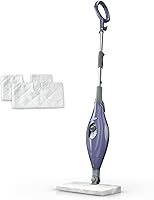
Is Swiffer a Microfiber Mop?
A Swiffer is not a true microfiber mop, because its standard pads use a disposable, nonwoven material rather than reusable microfiber fabric. You can use a Swiffer with washable microfiber pads, but the mop itself does not make the pad microfiber.
On this page (10 sections)
- Is Swiffer a microfiber mop in the strict sense?
- What are Swiffer pads actually made of?
- How does microfiber differ from Swiffer pad material?
- Can you use microfiber pads on a Swiffer Sweeper?
- Do washable microfiber pads clean as well as disposable pads?
- What types of microfiber pads work best on different floors?
- How do you use microfiber pads on a Swiffer for the best result?
- Is a Swiffer with microfiber pads better than a dedicated microfiber mop?
- What should you know before you switch to reusable pads?
- Bottom line on is swiffer a microfiber mop
A Swiffer is not a true microfiber mop, because its standard pads use a disposable, nonwoven material rather than reusable microfiber fabric. You can use a Swiffer with washable microfiber pads, but the mop itself does not make the pad microfiber.
That distinction matters for cost, cleaning power, and waste. It also matters for your floor, since pad material changes how much liquid stays on the surface and how much grit gets trapped.
Is Swiffer a microfiber mop in the strict sense?
No, a standard Swiffer does not meet the strict definition of a microfiber mop. A microfiber mop uses pads made from microfiber, which is a fine synthetic fiber split to create many tiny edges for trapping dust and absorbing liquid.
Swiffer's standard dry and wet pads are built for single use. The dry pad uses electrostatic fibers to attract dust.
The wet pad uses an absorbent layer to hold cleaning solution until you discard it.
You could call a Swiffer a mop that can work with microfiber. You should not call the stock Swiffer pad microfiber.
The tool and the pad are two separate parts.
What are Swiffer pads actually made of?
Swiffer dry pads use a fluffy, nonwoven material that creates static as it moves. That static helps the pad pull in dust, hair, and crumbs during a dry pass.
Swiffer wet pads use a layered material with an absorbent core. For a broader dry-versus-wet comparison, see dust mop vs wet mop.
The pad releases liquid as you move, then holds the dirty liquid instead of spreading it back across the floor.
Neither type is designed for washing and reuse. Washing a disposable pad can break down its structure and leave it less absorbent.
That is why many owners switch to are swiffer mop pads washable style reusable pads instead of washing the disposable ones.
How does microfiber differ from Swiffer pad material?
Microfiber pads trap particles in the spaces between split fibers. When you wash them, you release that trapped dirt and restore the spaces for the next use.
Disposable Swiffer pads rely on a one-time structure. Dry pads pull in debris through static and fiber depth.
Wet pads soak up liquid and dirt until the pad is spent.
Microfiber often feels softer and more flexible than a disposable wet pad. It can also rinse cleaner than a pad that was never meant to be washed.
The trade-off is that you must wash microfiber pads on a regular schedule.
Can you use microfiber pads on a Swiffer Sweeper?
Yes, you can use many washable microfiber pads on a Swiffer Sweeper if the size and attachment match. Most reusable pads use hook and loop strips that grip the same textured head used by disposable pads.
Check the pad length and width before you buy. A pad that is too long can fold under the head or catch on furniture legs.
A pad that is too short can leave the head exposed and scratch a floor edge.
Our guide to best mop pads for swiffer explains how to match pad size, thickness, and grip style. It also covers pads made for dry dusting, wet mopping, and scrubbing.
What should you measure before you buy a replacement pad?
Measure the mop head from end to end and side to side. Then compare those numbers with the pad size in the product details.
Also check whether your head uses two long gripper strips or a different pattern. Some pads fit only one pattern well, even if the overall length looks correct.
How thick should a washable pad be?
A thin pad glides easily and works well for quick dry dusting. A thicker pad holds more liquid and can scrub with more pressure.
Thick pads can also bunch if the gripper strips do not hold them flat. Try a medium thickness first if you are new to reusable pads.
You can adjust later based on your floor type and the amount of liquid you use.
Do washable microfiber pads clean as well as disposable pads?
Washable microfiber pads can clean as well as disposable pads when they are clean, dry, and matched to the job. A fresh microfiber pad traps dust and absorbs spills without the waste of a one-time pad.
Disposable pads have one clear advantage. You always start with a clean pad and never deal with laundry.
That convenience matters if you clean small areas often or prefer not to wash pads at home.
Microfiber pads have a different advantage. You can use them again and again, which can lower long-term cost.
You also control the cleaning solution, since you add it to the pad or floor yourself.
Buyers often mention that reusable pads need a good rinse to remove soap residue. Residue can cause streaks, even when the pad itself is clean.
Use less detergent and skip fabric softener when you wash them.
What types of microfiber pads work best on different floors?
Hard floors like tile, vinyl, and sealed wood usually work well with a soft microfiber pad. For careful wood-floor steps, see how to mop hardwood floors.
The pad should glide without dragging and should not leave excess liquid behind.
Rough tile or textured vinyl may need a pad with a scrubbing side. That extra texture helps lift dirt from grooves.
It can also wear a soft floor finish if you press too hard.
Laminate needs a drier pad than tile. Wring out extra liquid and avoid soaking the seams.
Swiffer's wet system releases a set amount, while a reusable pad depends on how much you apply.
If you use a Swiffer WetJet, check compatibility before you switch. The WetJet uses a spray and a specific pad shape.
A Sweeper pad will not fit a WetJet head, and a WetJet pad will not fit a Sweeper.
How do you use microfiber pads on a Swiffer for the best result?
Start with a clean floor and a clean pad. Sweep or vacuum first if there is grit, since grit can scratch the floor when you add liquid.
Dampen the pad lightly for wet mopping. You want the pad moist, not dripping.
Press it onto the head and smooth out any folds before you start.
Move in straight passes and rinse or flip the pad when it looks dirty. A dirty pad spreads dirt instead of trapping it.
For large rooms, plan to swap pads halfway through.
Our picks for best washable mop pads cover pads for dry use, wet use, and scrubbing. They can help you match the pad to the room and floor you clean most often.
How often should you wash microfiber mop pads?
Wash pads after each use if you used them for wet mopping. Wash dry dusting pads after two or three uses, or sooner if they look gray or feel stiff.
Use warm water and a mild detergent. Avoid bleach and fabric softener, since both can coat the fibers and reduce absorbency.
Tumble dry on low or air dry the pads. High heat can damage the backing and the gripper layer.
Replace a pad when it pills, thins, or stops gripping the head.
When should you replace a washable pad instead of washing it?
Replace a pad when it no longer absorbs liquid or when the gripper layer wears smooth. Also replace it when the edges fray or the scrubbing side loses its texture.
A worn pad can leave streaks and push dirt around. It can also slip off the head during a pass.
Fresh pads usually grip better and hold the right amount of liquid.
Is a Swiffer with microfiber pads better than a dedicated microfiber mop?
It depends on how you clean and what you already own. A Swiffer with reusable pads gives you a light, low-effort tool for quick cleanups.
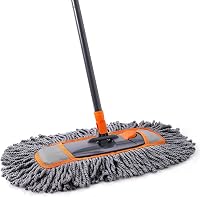
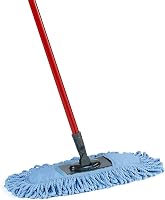
A dedicated best microfiber floor mop often gives you a larger head, a different handle, and a pad made for that exact system.
Swiffer wins on convenience for small spills and daily dusting. The handle is light, the head swivels, and pad changes take seconds.
It fits under furniture and in tight spaces.
A dedicated microfiber mop can win on coverage and scrubbing power. Larger heads cover more floor with each pass.
Some systems let you adjust liquid release or use a bucket for rinsing.
Many homes use both. A Swiffer handles daily touch-ups, while a larger mop handles weekly deep cleaning.
That mix suits people who want speed for small jobs and more power for big ones.
What should you know before you switch to reusable pads?
Check your floor care instructions first. Some wood and laminate floors need very little liquid, and a saturated pad can cause harm.
Use a damp pad and dry the floor if needed.
Check the pad care rules too. Some pads should not be washed with certain detergents or dried in a machine.
Follow the pad instructions to keep the fibers absorbent.
You should also check storage. Store clean, dry pads where they will not collect dust.
A dirty pad kept in a closet can pick up lint before your next use.
For a broad view of mop types, see our guide to mops and how they fit different rooms. It compares spray mops, flat mops, string mops, and bucket systems.
Bottom line on is swiffer a microfiber mop
A Swiffer is not a microfiber mop out of the box, because its stock pads are disposable and nonwoven. It becomes a microfiber mop when you add washable microfiber pads that fit the head.
That switch saves waste and can save money over time. It also adds laundry and a need to check fit, thickness, and liquid level.
If you want the simplest routine, keep disposable pads for quick jobs. If you want reusable pads, measure your head, choose the right thickness, and wash pads on a steady schedule.
For most readers, that small change gives you the cleaning benefits of microfiber without buying a new mop.
Frequently asked questions
Is a Swiffer wet pad made of microfiber?
No. Swiffer WetJet pads and Swiffer Sweeper dry pads use disposable materials designed for one use.
They absorb or trap dirt for that cleaning session, then you throw them away.
They are not the woven microfiber fabric used in reusable mop pads.
Can I use microfiber pads on a Swiffer?
Yes, many washable microfiber pads are made to fit Swiffer Sweeper heads. Check the pad size and the gripper or Velcro style before you buy.
The fit must hold the pad firmly during your first pass.
Are washable Swiffer pads as absorbent as disposable ones?
Washable microfiber pads can absorb well when they are clean and the right thickness for your floor. Performance depends on the pad fiber, backing, and how much liquid you use.
A dirty or worn pad will not pick up as much as a fresh one.
What should I check before switching from disposable to washable pads?
Check head size, attachment method, pad thickness, and whether the pad clears furniture and baseboards. Also check your floor type and the cleaning liquid you plan to use.
Measure your mop head before you order a replacement pad.