Steam Cleaner vs Upholstery Cleaner: Which Type Do You Need? (November 2026)
Choose a steam cleaner for chemical-free heat treatment and an upholstery cleaner for lifting wet dirt from fabric. The right choice depends on your upholstery label, stain type and drying needs.
On this page (9 sections)
- Steam cleaner vs upholstery cleaner: what is the difference?
- Which machine should you choose for upholstery?
- Is steam or extraction better for stains?
- Can steam damage upholstery?
- Which option is easier to set up?
- Which steam cleaner is better for floors and upholstery?
- How should you clean upholstery with either method?
- What should you buy for pet messes?
- Steam cleaner vs upholstery cleaner: which should you buy?
Choose a steam cleaner for heated, chemical-free surface treatment and an upholstery cleaner for wet extraction. This split matches the machine to the mess before you buy.
A steam cleaner uses hot water vapor to loosen dirt on a suitable surface. You then wipe, brush, or pad away what the heat has released.
An upholstery cleaner sprays cleaning solution and pulls the damp mixture back with suction. That dirty water is collected in a tank instead of staying in the fabric.
Steam leaves the final removal step to you. Extraction is designed to remove liquid and soil together, so it suits spills and embedded dirt.
Steam cleaners suit upholstery, floors, grout, kitchens, bathrooms, and car interiors when you want to work with water vapor. An upholstery cleaner suits spills, pet messes, and embedded soil on carpets, rugs, stairs, and couches.
A fabric treatment suits a small stain on a water-safe fabric. It can target one spot without setting up steam or extraction equipment.
Your upholstery care label controls which method is safe for your couch or chair. Fabric construction and dyes can differ widely, so check that label first.
Steam is not right for every fabric. Some materials can shrink, discolor, or hold moisture when they get too wet or too hot.
Extraction is not right for every fabric either. A sensitive material may need a different care method or professional advice.
Consider the soil you face most often and the drying time you can allow. Surface grime points one way, while a fresh spill or pet mess points another.
Consider storage, setup, and whether you want chemicals in the process. Steam works with water, while extraction usually uses a cleaning formula as directed.
We compared 2 steam cleaners, 1 portable extractor, and 1 fabric treatment solution. That mix shows how each approach handles upholstery differently.
The Dupray Neat Steam Cleaner for Home suits longer whole-home steam sessions. It reaches 275°F and uses a 54 fl oz tank with 17 accessories.
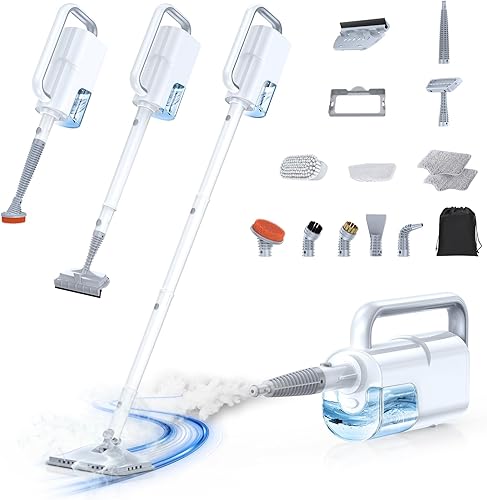
The LABIGO Steam Cleaner suits quick touch-ups on sofas, floors, tiles, windows, and car accessories. It heats in 10 seconds and offers 2 steam levels on a 350 ml tank.
The Shark StainStriker Portable Carpet/Upholstery Cleaner suits wet stain extraction. It weighs 8.5 lb, holds 2 liters, and includes 4 tools for different areas.
ForceField® Fabric Cleaner Professional Strength suits targeted treatment on water-safe fabrics. It is a 22 oz bottle for oil and water-based stains, with no steam or suction.
Use this guide to match the method to your fabric, your soil, and your drying needs. The care label remains the final check before you start.

Steam cleaner vs upholstery cleaner: what is the difference?
A steam cleaner loosens dirt with hot vapor, while an upholstery cleaner sprays liquid and removes it with suction. They solve related problems, but they do not perform the same cleaning cycle.
Steam treatment can soften grease and grime on suitable surfaces. You usually follow with a cloth, brush or microfiber pad to collect what the steam releases.
That follow-up step matters in daily use. Loosened dirt still needs to be lifted away, and the surface then needs time to dry.
An upholstery cleaner applies a cleaning solution, agitates or loosens soil and pulls the damp mixture into a dirty-water tank. That process is better suited to liquid spills and dirt held inside fabric fibers.
Extraction also adds steps you do not have with steam alone. You manage clean solution, empty dirty water and follow the machine directions for the fabric.
A fabric cleaner such as ForceField® takes a different approach again. It is a 22 oz treatment for water-safe fabrics, upholstery, clothing, rugs and carpeting, but it has no steam or suction.
A solution-only treatment can suit one small stain. It is less suited to a large couch, a whole rug or a broad area of embedded soil.
Steam works best when the surface can handle heat and moisture. Upholstery cleaners work best when the fabric can handle wet cleaning and drying.
Both methods need a test in a hidden area first. The test helps you check color, texture and drying before you treat a visible section.
Neither method removes the need to check the care label. Fabric backing, dyes and construction can change what is safe for your piece.
In short, steam loosens, extraction removes and a fabric treatment targets a small spot. Match the method to the soil and the fabric before you choose.
Which machine should you choose for upholstery?
Choose extraction for wet stains and steam for compatible fabric refreshes. The right choice depends on the stain, the care code and how much moisture the material can handle.
Pick a steam cleaner when you want to work without cleaning chemicals and need one machine for several household surfaces. The Dupray Neat Steam Cleaner for Home reaches 275°F and includes 17 accessories for tasks that include upholstery, carpets, floors, windows and car interiors.
Pick a portable upholstery cleaner when a spill has soaked into fabric or you need suction to remove loosened soil. The Shark StainStriker includes 4 tools, a 2-liter capacity and a pet mess extractor for carpets, rugs, stairs, cars and upholstery.
Use a fabric treatment when you need to target a stain without buying a machine. ForceField® Fabric Cleaner Professional Strength is made for water-safe fabrics and treats both oil and water-based stains.
Is steam or extraction better for stains?
Extraction is the better fit for liquid stains, while steam is better for loosening suitable surface grime. Neither method should be chosen without checking the fabric's cleaning instructions.
A fresh drink spill leaves moisture behind. An upholstery cleaner can apply solution and pull liquid back into its tank, which gives you a direct way to remove damp soil from the material.
Steam can help soften grime and refresh a compatible surface, but it does not collect dirty water by itself. You may need a microfiber cloth or another suitable method to wipe away what the vapor loosens.
For a small stain, a targeted fabric cleaner can be simpler than setting up a machine. Apply ForceField® only to water-safe fabrics and follow its directions for treatment and removal.
Our guide to carpet cleaner vs steam cleaner explains the same difference in more detail for rugs and carpeted areas.
Can steam damage upholstery?
Steam can damage upholstery when the fabric is not suitable for heat or moisture. Use the care label, test a hidden section and stop if the color, texture or shape changes.
Avoid treating upholstery just because a machine lists sofas or fabric among its surfaces. Fabric construction, dyes, backing and moisture tolerance can differ from one couch to another.
Use a low steam setting when the machine provides one, keep the attachment moving and avoid holding heat in one spot. Do not flood the fabric or close the room before the surface can dry.
The LABIGO Steam Cleaner offers 2 steam levels and a detachable handheld pod. Its 248°F steam, 350 ml tank and 10-second heat-up make it suitable for quick jobs on compatible sofas, carpets, windows and other listed surfaces.
Read our guide on how to use a steam cleaner on upholstery before treating a couch, chair or fabric headboard.
Which option is easier to set up?
A steam cleaner usually has a simpler water-only setup, while an extractor adds solution, suction and dirty-water handling. The easier choice depends on whether your main job is surface treatment or stain removal.
The Dupray Neat has an 8-minute heat time and a 54 fl oz tank. Its long hose and extension tubes can help you move around a room while leaving the unit in place.
The LABIGO heats in 10 seconds, but its 350 ml tank provides about 12–15 minutes of continuous cleaning per fill. That shorter run time favors quick touch-ups over long whole-room sessions.
The Shark StainStriker weighs 8.5 lb and has a 2-liter capacity. Its included 4 tools cover different cleaning areas, but extraction means you must manage the clean solution and collected dirty water.
Plan the drying time before you start either method. A surface that remains damp can be harder to use and may need more ventilation.
Which steam cleaner is better for floors and upholstery?
Choose the Dupray for longer steam sessions and the LABIGO for fast, smaller jobs. Both are multi-surface steam cleaners, but their heat times, tank sizes and accessory sets create different use patterns.
The Dupray includes 17 accessories, reaches 275°F and provides up to 50 minutes of continuous steam per fill. It is the better match when upholstery is one part of a larger cleaning routine that also includes floors, grout, windows or car interiors.
The LABIGO includes a carpet glider, handheld pod, mop head, window cleaner, garment cloth, brushes and other tools in a 10-in-1 setup. Its 10-second heat-up and 2 steam levels help when you want to handle a small task without a long wait.
Use the best steam cleaner for carpet and upholstery guide if you want to compare steam-focused options by surface and cleaning task.
For a steam cleaner that needs to handle both hard floors and fabric, see the best floor and upholstery steam cleaner guide.
How should you clean upholstery with either method?
Vacuum loose debris first, test the method in a hidden area and work in small sections. The goal is to avoid spreading soil or leaving more moisture than the fabric can safely dry.
For steam, use the correct fabric attachment and keep the nozzle moving. Work lightly, wipe loosened dirt with a suitable cloth and give the surface time to dry before sitting on it.
For extraction, use the tool that matches the area and make controlled passes. Avoid oversaturating the fabric, empty the dirty-water tank as needed and follow the machine's care instructions after use.
For a solution-only approach, treat a small area first and follow the product directions. Water-safe fabric is the important limit for ForceField® Fabric Cleaner Professional Strength.
Our guide to the best carpet cleaner for upholstery covers portable extraction choices for couches, rugs and other soft surfaces.
If you choose a steam vacuum, our guide explains how to use a steam vacuum cleaner and how its combined cleaning steps differ from a basic steamer.
What should you buy for pet messes?
Choose a portable extractor for wet pet messes and a steam cleaner for compatible surface refreshes after the area is clean. Heat alone does not remove the liquid and soil that caused a fresh accident.
A fresh pet mess leaves liquid behind in carpet, rug, or upholstery fibers. You need a method that can lift that moisture and soil out of the material.
The Shark StainStriker Portable Carpet & Upholstery Cleaner is built for that kind of wet extraction. It is a portable carpet and upholstery cleaner with powerful suction for tough spots.
It includes a pet mess extractor for pet messes on soft surfaces. That is the tool to reach for first when the mess is still wet.
It also includes a 3.5-inch stain tool for smaller spots and a 7-inch XL stain tool for wider areas. The wider path can suit a rug section, a car seat, or a larger couch area.
It includes a crevice tool for edges and narrow spaces. That tool can help around seams and corners a wide head cannot reach.
Its cleaning system uses the included Deep Clean Pro Formula and OXY Multiplier Formula. Follow the product instructions and the fabric care label when you use either formula.
The machine weighs 8.5 lb and has a 2-liter capacity. That portable size can suit a spill in a bedroom, a car interior, or a carpeted stair.
Its suction is designed to pull out embedded messes from deep within fabric and carpet fibers. That extraction step is the key difference from steam alone.
A steam cleaner can help with other suitable household tasks after the wet mess is handled. It can refresh compatible upholstery, floors, grout, windows, or car interiors with hot vapor.
A steam cleaner should not replace the extraction step for a wet stain. Steam does not collect dirty water the way a portable extractor can.
Use steam only on surfaces and fabrics that allow heat and moisture. Test a hidden area first, keep the attachment moving, and remove the source first.
Focus on drying the area fully after cleaning. Good airflow helps the fabric dry before you use the cushion, rug, or seat again.
For a small stain on a water-safe fabric, a targeted treatment may be simpler. ForceField® Fabric Cleaner Professional Strength is a 22 oz treatment for oil and water-based stains, with no steam or suction.
Steam cleaner vs upholstery cleaner: which should you buy?
Buy a steam cleaner if you want water-only vapor treatment across several surfaces. Buy an upholstery cleaner if your main problem is spills, pet messes or embedded fabric soil that needs suction.
Choose the Dupray Neat for longer steam sessions, a 54 fl oz tank and 17 accessories. Choose the LABIGO when a 10-second heat-up and detachable handheld design matter more than extended run time.
Choose the Shark StainStriker when extraction is the priority. Choose ForceField® when you need a targeted treatment for water-safe fabric and do not need a machine.
For another look at the Dupray model's setup and use, read our Dupray Neat Steam Cleaner review. The simplest decision rule is to match the tool to the moisture: steam loosens, extraction removes, and fabric treatment targets a small area.
Frequently asked questions
Is a steam cleaner the same as an upholstery cleaner?
No. A steam cleaner uses heated water vapor to loosen dirt and refresh suitable surfaces, while an upholstery cleaner usually sprays cleaning solution and uses suction to lift liquid, soil and stains from fabric.
Check the upholstery care label before using either method.
Which is better for couch stains, steam or extraction?
Extraction is usually the better match for wet spills and embedded stains because it removes liquid and loosened soil with suction. Steam can help loosen grime on suitable fabric, but it does not replace the dirty-water removal step of an upholstery cleaner.
Can you use a steam cleaner on upholstery?
You can use steam on upholstery only when the fabric and care instructions allow it. Test a hidden area first, use a suitable attachment, avoid soaking the fabric and allow the surface to dry fully.
Some materials can shrink, discolor or hold moisture.
Does a steam cleaner remove odors from upholstery?
Steam may refresh some suitable fabrics by loosening surface grime, but it does not work like a wet extractor that lifts liquid soil. For odor linked to spills or pet messes, cleaning the source and removing moisture matter more than adding heat alone.
What is the best steam cleaner for upholstery?
The Dupray Neat Steam Cleaner for Home is the strongest steam-focused choice here because it reaches 275°F, includes 17 accessories and provides up to 50 minutes of continuous steam per fill. The LABIGO suits faster, shorter touch-ups with its 10-second heat-up.