How to Mop Vinyl Plank Flooring
How to mop vinyl plank flooring: use a well-wrung microfiber mop with a pH-neutral cleaner and very little water. Dry the floor first, mop in small sections, then dry mop any damp seams right away.
On this page (9 sections)
- What do you use to mop vinyl plank flooring?
- Can you mop vinyl plank flooring with a steam mop?
- How do you mop LVP flooring step by step?
- How do you control moisture when you mop vinyl plank?
- What cleaning solution is safe for vinyl plank?
- How often should you mop vinyl plank flooring?
- Which mop style works best for vinyl plank?
- How can you keep vinyl plank clean between mops?
- What is the best way to finish mopping vinyl plank?
How to mop vinyl plank flooring: use a well-wrung microfiber mop with a pH-neutral cleaner and very little water. Dry the floor first, mop in small sections, then dry mop any damp seams right away.
That rule protects the wear layer and tight seams. Vinyl plank handles light dampness well, but not standing water, harsh chemicals, or abrasive scrubbing.
What do you use to mop vinyl plank flooring?
Use a microfiber flat mop, a pH-neutral cleaner, and a second dry microfiber pad. That trio covers daily and weekly cleaning.
Start with a broom, dust mop, or vacuum for hard floors. Grit causes most scratches, so remove it before water touches the floor.
Our Best Robot Vacuum For Vinyl Plank Floors guide helps if you prefer to automate that step.
A flat microfiber mop gives control over dampness. You can wring it out, rinse it, and wring it again in seconds.
A spin mop also works on the lightest setting.
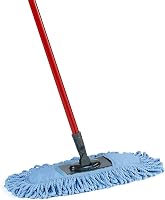
The O-Cedar Dual-Action Microfiber Sweeper Dust Mop weighs 8 ounces and uses a microfiber and ultra-dense chenille head. O-Cedar says it can be used wet or dry on vinyl, tile, laminate, and marble.
That makes it useful for the dry pass before damp mopping.
Can you mop vinyl plank flooring with a steam mop?
You can use a steam mop only if both the flooring maker and the steam mop maker approve it. Keep the mop moving and use the lowest setting.
Steam adds heat and moisture together. Some vinyl plank makers allow steam, while others warn heat can soften seams or affect the wear layer.
Check the flooring warranty first.
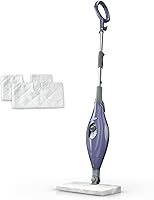
The Shark Steam Pocket Mop S3501 weighs 4.9 pounds, heats in about 30 seconds, and uses a 15.2 fluid ounce tank. Shark says it removes 99.9% of common household bacteria with steam using just water.
It includes two washable double-sided microfiber pads, so you can flip the head to use the other side.
The BISSELL Steam Mop 1940A PowerFresh has a 16 fluid ounce removable tank, a 23 foot power cord, and three steam settings. BISSELL says it kills 99.9% of germs, bacteria, and viruses when used as directed, and the flip-down Easy Scrubber helps with dried-on messes.
Light damp mopping remains the safer default for most vinyl plank.
How do you mop LVP flooring step by step?
How to mop LVP flooring: sweep first, mix a small batch, wring the mop well, clean in sections, and finish with a dry pass. Work from the cleanest area toward the door.
Fill a bucket with warm water and add the pH-neutral cleaner amount shown on the bottle. Extra soap can leave film that attracts dirt, so change water when it looks gray.
Keep the mop nearly dry and lay it flat to pick up soil. Do not push a wet puddle ahead of the head, and rinse and wring after each section.
A best mop for vinyl plank floors should let you control water with one hand. Flat mops do that well because you can see the pad and change pressure quickly.
How do you control moisture when you mop vinyl plank?
Control moisture by wringing until the mop leaves no drips and by drying seams as you go. The floor should look clean, not wet, after each pass.
Use a spray bottle for spot cleaning instead of a full bucket for small spills. If you use a Bona spray mop, see how to refill it before your next cleaning.
Spray the cloth or mop, not the plank, and wipe the area dry.
Pay extra attention to seams, edges near sinks, and transitions. A dry microfiber cloth in your pocket makes it easy to catch dampness.
If you use a bucket and string mop, our mops guide explains wringer types. A wringer that squeezes well matters more than mop shape for vinyl plank.
What cleaning solution is safe for vinyl plank?
Use a pH-neutral hard floor cleaner made for vinyl or no-wax floors. Dilute it as directed and skip oil soaps, vinegar mixes, and abrasive cleaners.
Acidic cleaners can dull the wear layer, and oily products can build up and make the floor slippery. Bleach and ammonia are too harsh for routine use.
Plain water on a damp cloth is often enough for everyday spills. Save cleaner for weekly mopping or greasy kitchen floors, and rinse the mop head in clean water after a stronger solution.
Our guide to how to mop vinyl floors covers sheet vinyl and tile as well. The moisture rule stays the same across types.
What should you avoid on vinyl plank?
Avoid soaking, abrasive pads, wax, and oil-based cleaners. Each can damage the finish or push water into seams.
Do not use a stiff scrub brush, and do not let a wet mop sit on the floor while you answer the door. If the mop drips, wring it again before it touches the floor.
How often should you mop vinyl plank flooring?
Mop once a week in most homes, and spot clean spills right away. Kitchens, entryways, and pet homes may need a second pass.
Dust twice a week if you have shedding pets or sandy shoes. That removes grit before it can scratch the wear layer.
In a low-traffic bedroom or office, every 10 to 14 days may be enough. In a kitchen, weekly mopping helps remove cooking film before it builds up.
A Best Vacuum For Wood Floors And Carpet can keep grit down between mops. Use a hard floor setting without a spinning brush roll when you can.
Which mop style works best for vinyl plank?
A flat microfiber mop works best for most vinyl plank because it controls dampness and reaches under furniture. Spin and steam mops solve different needs.
Flat mops use reusable pads you can wash and wring by hand. They are light, easy to store, and simple to keep damp instead of wet.
Our best microfiber mop for lvp picks focus on that control.
Spin mops help in larger rooms because the bucket wrings the head for you. Use a light spin and check after the first section.
A best spin mop for vinyl plank floors can suit wide open kitchens.
Steam mops suit sealed floors and sanitizing needs, but only after you confirm steam is allowed on your exact plank. Our roundup of best mop for vinyl floors compares flat, spin, and steam styles side by side.
How do you choose the right product for this floor?
Choose by dampness control, pad washability, and reach. A simple mop you wring well beats a complex mop you use too wet.
Look for machine washable pads, a handle length that avoids bending your back, and a head that fits under low furniture. For a closer look at one flat system, read the O-Cedar H2prO flat mop review.
For steam, confirm sealed floor approval from the vinyl maker in writing.
How can you keep vinyl plank clean between mops?
Keep vinyl plank clean with daily dusting, a doormat, and fast spot cleaning. Prevention does most of the work, so mopping can stay light and quick.
Place mats at outside doors and use felt pads under chair legs to reduce scratches. Wipe up water from pet bowls and sink splashes as soon as you see them.
Use a dry microfiber sweeper for crumbs and hair, then save damp mopping for the weekly wash. That dry habit also extends pad life.
Our score weighs specs, features and buyer feedback against what you are shopping for. For this guide, dampness control and washable pads matter more than power or cord length.
What is the best way to finish mopping vinyl plank?
Finish by dry mopping the whole floor with a clean pad and checking seams one last time. That pass removes streaks and catches water left in joints.
Walk the room slowly, especially along transitions and under appliances. If you find a damp seam, dry it and note where the mop carried too much water.
Store the mop head open or hanging so the pad can dry fully. A damp pad in a closed bucket can grow odors fast.
Wash pads after use and let them air dry.
That finish step makes how to mop vinyl plank flooring a safe routine, not just a fast one. Light water, quick drying, and clean pads protect the finish and keep the floor looking new.
Frequently asked questions
Can you mop vinyl plank flooring?
Yes, you can mop vinyl plank flooring with a lightly damp microfiber mop and a pH-neutral floor cleaner. Wring the mop until it feels almost dry, clean one small section at a time, and dry any remaining moisture from seams and edges right away.
What should you mop vinyl plank flooring with?
Use a microfiber flat mop or a wrung-out string mop with a small amount of pH-neutral cleaner diluted in water. Avoid soaking the floor, harsh chemicals, wax, and cleaners meant for sealed wood unless the vinyl maker allows them.
How much water is too much for vinyl plank?
Water is too much when it pools on the surface, seeps into seams, or leaves the floor wet for more than a few minutes. A damp mop should clean the surface and leave it nearly dry to the touch during the pass.