Spin Mop vs Steam Mop: Which Should You Choose? (November 2026)
Choose a spin mop for flexible wet cleaning with cleaner control, and a steam mop for sanitizing sealed hard floors with steam. In this spin mop vs steam mop comparison, floor type, mess type and how you want to wring and refill decide the winner.
On this page (11 sections)
- Spin mop vs steam mop at a glance
- How does a spin mop clean without steam?
- How does a steam mop clean without a bucket?
- Which type suits hardwood, tile and laminate?
- How much moisture control do you need?
- Which is easier for pet hair and everyday dirt?
- Which handles dried-on spills and grout better?
- How do pads, refills and washing compare?
- What about setup, storage and cords?
- Which should you buy for your home?
- Final verdict in the spin mop vs steam mop choice
Choose a spin mop for flexible wet cleaning with cleaner control, and a steam mop for sanitizing sealed hard floors with steam. In this spin mop vs steam mop comparison, floor type, mess type and how you want to wring and refill decide the winner.
A spin mop wrings water out by hand or foot pedal, so you control how wet the floor gets. A steam mop heats water into steam, so you get heat and sanitizing power without a bucket of dirty water.
We compared specs, pads, tanks, cords and maker claims for the 4 models here. Scores weigh specs, features and buyer patterns against what you want from a mop for hard floors.
Our score weighs specs, features and buyer feedback against what you're shopping for.
 Best for quick steam sanitizing
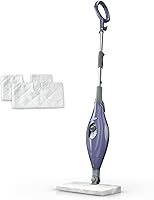
Shark Steam Pocket Mop with 2 Washable

Spin mop vs steam mop at a glance
Steam mops win on heat and no-bucket cleanup, while spin mops win on moisture control and corner reach. The right pick depends on whether you value sanitizing or flexible wet mopping more.
Steam mops here are corded and use pads you wash after use. Spin mops here use a bucket and a wringer, so you can mop anywhere without hunting for an outlet.
Both types in this comparison suit sealed hard floors. That includes finished hardwood, tile, laminate, vinyl, marble and stone, depending on the model.
| Feature | Spin mops | Steam mops |
|---|---|---|
| Cleaning method | Microfiber plus water, wrung by pedal | Steam plus washable pads |
| Bucket needed | Yes | No |
| Power needed | No | Yes, corded |
| Moisture control | By spinning more or less | By steam setting and passes |
| Best for | Everyday spills and large areas | Sanitizing and dried-on grime |
Our mops guide helps if you want the wider picture before you narrow to these 2 types. It covers head shapes, pad materials and bucket sizes in one place.
How does a spin mop clean without steam?
A spin mop cleans by trapping dirt in microfiber and letting you wring out dirty water. For another O-Cedar option, read our H2prO flat mop system review.
The O-Cedar EasyWring uses millions of microfiber strands to capture dirt and grime with just plain water.
You dunk the head, press the foot pedal, and the bucket spins the mop drier. More pedal presses mean less water on the floor and faster drying.
The triangle head on the EasyWring rotates 360 degrees. That shape helps it reach deep corners, under furniture, along baseboards and between tiles.
The RinseClean model adds a dual-chamber bucket. Clean water stays in one tank while dirty rinse water collects in another, so you keep mopping with clean water.
Spin mops don't heat water, so they won't sanitize with steam. O-Cedar says its microfiber removes over 99% of bacteria with just water on sealed floors, based on lab testing.
If you want step by step use, our guide on how to use spin mop bucket walks through filling, wringing and emptying. It also explains how to avoid leaving puddles on wood.
How does a steam mop clean without a bucket?
A steam mop cleans with hot steam and a pad that lifts and locks in dirt. The Shark Steam Pocket Mop heats in as little as 30 seconds and uses just water.
Steam does the sanitizing work, while the microfiber pad does the wiping. You move the mop slowly so the pad contacts the floor and picks up loosened dirt.
The Shark model includes 2 washable double-sided pads. You flip the mop head to use the other side, which extends your session with fewer washes.
The BISSELL PowerFresh adds a flip-down Easy Scrubber. That brush breaks up dried-on messes and grout buildup without extra pressure from you.
Both steam mops here are corded. The Shark has a long power cord for a wide cleaning radius, and the BISSELL has a 23 foot cord.
That cord is the main trade-off. You get steam power, but you must stay within reach of an outlet and manage the cord as you move.
If you want wider context on steam tools, our guide on how to use a steam vacuum cleaner explains how steam works on other surfaces. It helps you judge when steam is worth the setup.
Which type suits hardwood, tile and laminate?
Both types suit sealed floors, but steam needs extra care on wood and spin mops need moisture control. Check your floor finish before you choose heat or water.
The Shark steam mop is designed for sealed hard floors, including hardwood, marble, tile, stone, laminate and vinyl. The BISSELL is designed for sealed hardwood, tile, ceramic, granite and marble.
The EasyWring is safe for finished hardwood, wood, laminate, tile and vinyl. The RinseClean is safe for finished hardwood, wood, laminate, tile, vinyl and more.
For wood, the key is not soaking the surface. A well-wrung spin mop leaves a thin film of water, while a steam mop should not sit in one spot.
For tile and grout, steam has an edge for loosening grime. The BISSELL scrubber helps on grout, and the Shark pads lift dirt as steam loosens it.
For laminate and vinyl, both types work when you keep moisture light. For step-by-step care, see our guide to mopping vinyl plank flooring.
Wring a spin mop well, and make only quick passes with a steam mop.
Never use either type on unsealed wood or floors where the maker warns against steam. When in doubt, test a small hidden area first and follow your floor care guide.
How much moisture control do you need?
Spin mops give you direct control through wringing, while steam mops give you control through settings and passes. Your floor and your patience will tell you which you prefer.
With the EasyWring, the foot pedal controls how much water stays in the mop. Spin it more for wood and laminate, and spin it less for tile that needs more scrubbing.
The RinseClean also uses a foot pedal to spin water into the bucket. You can use your favorite cleaner, but O-Cedar says you do not need a cleaner for its microfiber to work.
The Shark steam mop has no wringer, so moisture comes from steam and the pad. You control it by moving steadily and not holding the mop still.
The BISSELL has 3 steam settings. Use a lower setting for quick refreshes and a higher setting for tough stuck-on spills.
If you often over-wet floors, a spin mop may feel safer because you see the pedal work. If you want less handling of dirty water, a steam mop keeps water in a tank until you wash the pads.
Which is easier for pet hair and everyday dirt?
Spin mops and steam mops both handle pet hair, but they pick it up differently. Microfiber heads trap hair and dust, while steam loosens dirt so pads can grab it.
The EasyWring microfiber attracts and locks in dirt, dust and pet hair. It can be used wet or dry for mopping or dusting.
The Shark pads are microfiber Dirt Grip pads that lift and lock in dirt and grime. You toss them in the washer before your next use.
The BISSELL pads are reusable and washable microfiber pads for everyday cleaning and tougher messes. They support steam cleaning on sealed floors.
For dry pet hair, a quick vacuum first still helps either type. Mops work best on the fine dust and tracked dirt that vacuums leave behind.
For paw prints and muddy tracks, a spin mop lets you rinse and wring often. A steam mop lets you sanitize the same area with heat after you wipe up the mess.
Our best spin mop and bucket guide lists more spin options if you want alternate head shapes. It also compares bucket footprints for small homes.
Which handles dried-on spills and grout better?
Steam mops have the edge on dried-on spills, especially the BISSELL with its scrubber. Heat loosens stuck-on food and grime so you scrub less.
The BISSELL Easy Scrubber flips down to break up dried-on messes and grout buildup. You do not need extra pressure, because the brush does the work.
Its 3 steam settings let you match heat to the mess. Everyday dirt needs less steam, while stuck-on spills can use more.
The Shark steam mop relies on steam and pads rather than a brush. It still helps on sealed floors, but it has no built-in scrubber in the data here.
Spin mops can scrub with the microfiber head and more water. The EasyWring triangle head helps in corners, and the RinseClean lets you rinse in clean water.
For grout lines, steam plus a scrubber usually saves elbow grease. For sticky spills on open floor, either type can work if you let the mess soak briefly.
If scrubbing power matters most, our best spin mop with scrubber page covers spin models with extra scrub features. Compare those heads with the BISSELL brush before you decide.
How do pads, refills and washing compare?
Steam mops use washable pads you flip or swap, while spin mops use a reusable head you wash and replace. Both avoid disposable pads, but the routine differs.
The Shark includes 2 double-sided microfiber pads. Flipping the head gives you a fresh side, and both sides go in the washer.
The BISSELL uses reusable washable mop pads. You can add Spring Breeze scent discs for fragrance while you mop, if you want that touch.
The EasyWring head is machine washable and reusable. O-Cedar recommends replacing the refill every 3 months for optimal results.
The RinseClean head is also machine washable and reusable. O-Cedar suggests keeping an extra mop head handy for the next mess.
Our best washable mop pads guide helps if pad material and wash count matter to you. Washable pads save money over time, but you must wash them often enough to keep them effective.
Do not wash microfiber with fabric softeners or bleach, per O-Cedar guidance for the EasyWring. That care rule helps the fibers keep trapping dirt.
What about setup, storage and cords?
Spin mops need bucket space but no outlet, while steam mops need an outlet but no bucket. Your rooms and closets will show you which trade-off hurts less.
The EasyWring bucket has a splash guard to keep water inside when wringing or carrying it room to room. The system includes the bucket, telescopic handle and microfiber head.
Its handle extends up to 48 inches, so you can mop without bending over. The RinseClean handle extends up to 51 inches and locks with a twist.
The Shark steam mop weighs 4.9 pounds and is under 5 lbs. Its compact design makes it easy to carry between rooms and store away.
The BISSELL weighs 6.2 pounds and has a 23 foot power cord. That cord gives more reach, but you still plan around outlets.
The RinseClean system weighs 6.6 pounds. Its dual tanks add weight, but separate clean and dirty water.
Which should you buy for your home?
Pick a spin mop if you mop often and want control, and pick a steam mop if you want sanitizing and less dirty water. Your floors, messes and storage space should make the call.
Choose the O-Cedar EasyWring if you want hands-free wringing and a classic spin setup. It suits finished hardwood, tile, laminate and vinyl with plain water.
Choose the O-Cedar RinseClean if you dislike mopping with dirty water. Its dual-chamber bucket keeps clean water separate from rinse water from start to finish.
Choose the Shark Steam Pocket Mop if you want a light steam mop for quick sanitizing. At 4.9 pounds with 30 second heat time, it suits sealed floors and small spaces.
Choose the BISSELL PowerFresh if grout and dried-on spills are your main problem. Its scrubber, 3 steam settings and 23 foot cord help on tough sealed floors.
If you need a wider vacuum-first routine, our how to choose a vacuum cleaner guide helps you pair mopping with the right suction. Mops handle the film and dust that vacuums miss.
To compare the 2 O-Cedar spin systems more closely, see our o cedar easywring vs rinseclean post. That post focuses on bucket design, water control and refill cost.
Final verdict in the spin mop vs steam mop choice
Buy the EasyWring for flexible everyday mopping, the RinseClean for clean-water mopping, the Shark for light steam sanitizing, or the BISSELL for scrubbing grout. That rule covers most homes with sealed hard floors.
If you mop large areas often, a spin mop gives you reach without a cord. If you sanitize high-use floors often, a steam mop gives you heat without a bucket.
In this spin mop vs steam mop decision, do not pay for features you will not use. A scrubber helps on grout, but it adds weight on open floors.
Match the mop to your mess first, then to your floor finish. That order keeps you from buying steam for a job that only needs wringing, or wringing for a job that needs heat.
Frequently asked questions
Is a spin mop or steam mop better for hardwood?
Both suit sealed hardwood when you use them correctly. A spin mop lets you control moisture with wringing, while a steam mop uses heat and pads.
Check your floor finish first, and avoid soaking wood with either type.
Can a steam mop sanitize better than a spin mop?
Steam mops use heat to sanitize sealed hard floors when used as directed, and the Shark model states it removes 99.9% of common household bacteria with steam. Spin mops clean with microfiber and water, and the O-Cedar models state they remove over 99% of bacteria with just water.
Which mop is easier for tile grout?
A steam mop with a scrubber often helps on grout because heat loosens grime. The BISSELL PowerFresh has a flip-down Easy Scrubber for dried-on messes and grout buildup.
A spin mop with a triangle head can still reach into corners and between tiles.
Do I need chemicals with a spin mop or steam mop?
No. Steam mops use just water for steam cleaning, and spin mops in this comparison use microfiber with plain water.
You can add a mild cleaner to a spin mop bucket if you prefer, but the makers say harsh chemicals are not required.