
What Is the Best Vacuum for Hardwood Floors?
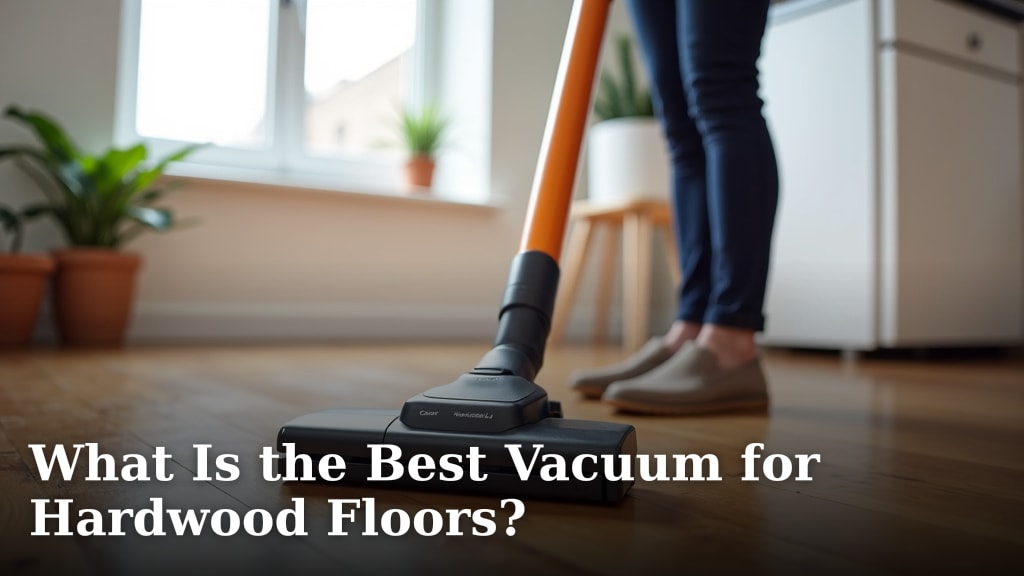
The best vacuum for hardwood floors is one that offers strong suction without damaging your beautiful surfaces. We found that canister vacuums with soft brushes and good filtration systems often perform best. They safely tackle dirt and debris, keeping your floors sparkling clean.
When choosing, look for models designed specifically for hard floors. Features like felt brush rolls and rubber wheels help protect against scratches. You want a vacuum that picks up pet hair and fine dust effectively, without just pushing it around.
- Canister vacuums with soft heads are usually best.
- Look for felt brush rolls and rubber wheels to prevent scratches.
- Good suction and filtration are key for picking up fine dust.
- Avoid harsh spinning brushes that can damage floors.
- Consider cordless options for easy maneuverability.
We’ve researched and broken down everything you need to know to pick the perfect vacuum for your hardwood floors. Let’s find your floor’s new best friend!
Selecting the Ideal Vacuum for Your Hardwood Floors
Choosing the right vacuum means understanding what your hardwood floors truly need. They’re beautiful but can be delicate. Your goal is powerful cleaning without scratches or dullness.
We’ve focused on models that offer a great balance. You want a vacuum that handles everything from pet hair to fine dust, all while being gentle.
Understanding Hardwood Floor Vulnerabilities
Hardwood floors look tough, but they can be easily damaged. Scratches are the primary concern when vacuuming. Hard plastic wheels or stiff bristles can leave permanent marks.
Another issue is dullness. Over time, improper cleaning can wear down the finish. Fine dust particles, when rubbed in, act like sandpaper under foot traffic.
The Impact of Brush Rolls
Many traditional vacuums use spinning brush rolls with stiff bristles. These are great for deep cleaning carpets. However, on hardwood, they can scratch the surface and even fling debris outward instead of sucking it up.
For your hardwood, you need a vacuum that either allows you to turn off the brush roll or comes with a specialized soft brush head. This protects the finish.
Key Features to Look for in a Hardwood Floor Vacuum
We’ve researched the most important elements. These features make a real difference in how well a vacuum cleans your floors and how long your floors stay looking new.
Soft Brush Roll or Bare Floor Setting
This is perhaps the most important feature. A vacuum designed for hardwood will have a brush roll made of soft felt or microfiber. These materials gently buff the floor as they clean, collecting dust without scratching.
If your vacuum has a universal cleaning head, ensure it has a “bare floor” or “hard floor” setting. This usually disengages the spinning bristles, making it safe for your surfaces.
Rubber or Felt Wheels
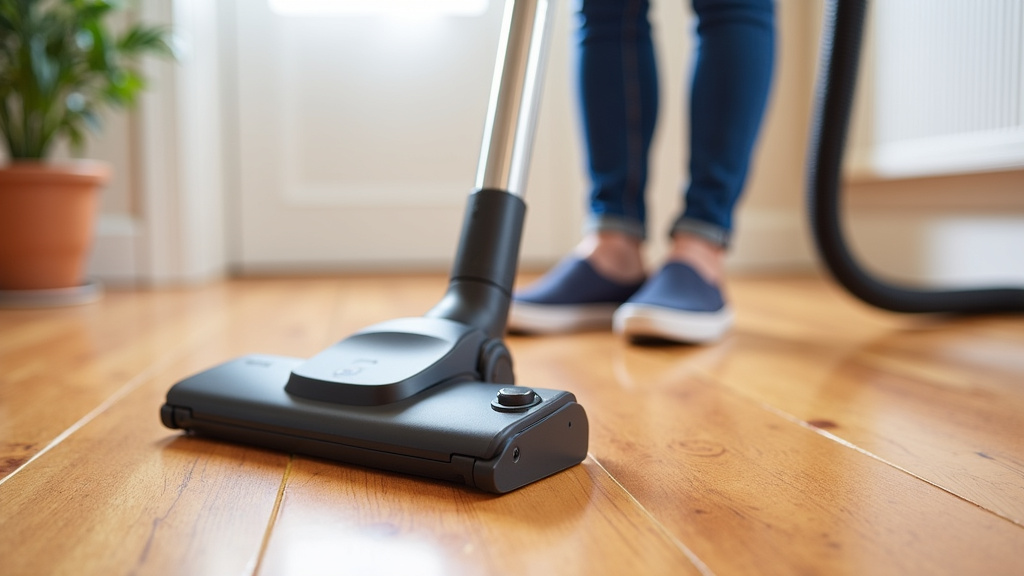
Just like brush rolls, the wheels matter. Hard plastic wheels can scuff or scratch your delicate wood. Look for vacuums with rubber-coated wheels or soft felt strips on the base.
Small details like these show that the vacuum was truly designed with hardwood in mind. You don’t want to leave tracks as you clean!
Strong Suction Power
You need enough power to lift dust, crumbs, and pet hair without relying on aggressive brushes. Look for vacuums with consistent, strong suction.
This is especially important for picking up finer particles and debris from between floorboards. Good suction means fewer passes and a cleaner result.
Excellent Filtration System (HEPA is Best)
Dust doesn’t just sit on your floor; it floats in the air. A good filtration system, like a HEPA filter, traps tiny allergens and dust particles. This means cleaner air in your home, not just cleaner floors (Environmental Protection Agency).
Imagine vacuuming and feeling like the air is clearer afterwards! That’s the power of good filtration. It completes the clean.
Maneuverability and Design Considerations
How easy is the vacuum to use? That makes a big difference in how often you’ll actually use it. Think about its weight, how it turns, and if it fits under furniture.
Canister vs. Upright vs. Stick Vacuums
Each type has its pros and cons for hardwood. We found that canister vacuums often excel. They have separate power units and lightweight wands, making them very gentle and easy to maneuver in tight spaces.
Stick vacuums are great for quick cleanups and offer cordless convenience. Uprights can work if they have a dedicated hard floor setting and soft-wheel design. Here’s a quick comparison:
| Vacuum Type | Hardwood Pros | Hardwood Cons |
|---|---|---|
| Canister | Excellent maneuverability, softer wheels, specialized bare floor attachments, powerful. | Can be bulky to store, sometimes more expensive. |
| Stick/Cordless | Lighweight, quick to grab, easy under furniture, often have soft brush heads. | Less suction than canisters, limited battery life, smaller dustbins. |
| Upright | Wide cleaning path, good if brush roll can be turned off, integrated design. | Can be heavy, less agile, sometimes aggressive brush rolls. |
Weight and Ergonomics
A heavy vacuum is a pain to push around. What’s more, a heavy vacuum with hard parts could potentially cause more damage if you’re not careful. Lighter models are usually better for your back and your floors.
Think about how the handle feels and if it’s comfortable for you to grip. Good ergonomics make vacuuming less of a chore.
Features to Avoid for Hardwood Floors
Just as important as knowing what to look for is knowing what to skip. Some features that work well on carpet are actually harmful to your beautiful wood.
- Aggressive Beater Bars: These are notorious for scratching and dulling hardwood. If a vacuum doesn’t let you turn it off, steer clear.
- Hard Plastic Wheels: As we mentioned, these can scuff and mark. Always check the wheel material.
- Overly Stiff Bristles: Even if the brush roll is off, if the stationary bristles are too hard, they can still drag and scratch.
- Excessive Weight: A very heavy vacuum can be harder to control gently.
You’re investing in your floors, so don’t let your vacuum undo that investment!
Maintaining Your Vacuum for Optimal Hardwood Cleaning
Even the best vacuum needs a little love to perform its best. Regular maintenance ensures it continues to clean effectively and safely.
Clean or replace filters regularly. A clogged filter reduces suction and can make your vacuum work harder. Check your manual for specific guidance on your model.
Inspect brush rolls and wheels. Make sure no debris is wrapped around the brush that could scratch your floor. Keep the wheels free of hair and gunk.
Your Hardwood Floor Vacuum Checklist
Keep this handy list in mind as you shop. It covers the essentials that will lead you to a great choice for your home.
- Does it have a soft brush roll or a bare floor setting?
- Are the wheels made of rubber or felt?
- Does it offer strong suction power?
- Is there an effective filtration system (HEPA preferred)?
- Is it easy to maneuver and lightweight enough for your home?
- Does it allow you to turn off the beater bar?
By following these guidelines, you’ll be well on your way to selecting a vacuum that keeps your hardwood floors gleaming without any worry of damage.
Conclusion
Choosing the best vacuum for your hardwood floors doesn’t have to be complicated. You’ve learned to prioritize features like soft brush rolls, rubber wheels, and strong suction. These elements protect your floors while ensuring a thorough clean. Avoiding aggressive beater bars and hard plastic contact points is also key.
By using our checklist, you’re now equipped to make an informed decision. Invest in a vacuum that not only cleans effectively but also safeguards the beauty and longevity of your hardwood. Your floors will thank you.
Frequently Asked Questions
Is it okay to use an upright vacuum on hardwood floors?
Yes, you can use an upright vacuum on hardwood floors, but with caution. Ensure it has a dedicated “bare floor” setting that disengages the spinning brush roll. Also, check that the wheels are soft (rubber or felt) to prevent scratches.
How often should I vacuum my hardwood floors?
For most homes, vacuuming hardwood floors 2-3 times a week is ideal. If you have pets or high foot traffic, you might want to do it daily. Regular cleaning prevents dust and grit from building up and scratching the surface.
Do robot vacuums work well on hardwood floors?
Many robot vacuums are excellent for daily maintenance on hardwood floors. Look for models with soft brush designs and good navigations systems. They are great for picking up pet hair and surface dust between deeper cleans.
What kind of filter is best for a hardwood floor vacuum?
A HEPA filter is considered the best for a hardwood floor vacuum. It traps a high percentage of tiny dust particles, allergens, and pet dander. This not only cleans your floors but also improves the air quality in your home.
Can using the wrong vacuum truly damage my hardwood floors?
Absolutely, using the wrong vacuum can cause significant damage to your hardwood floors. Aggressive spinning brushes, hard plastic wheels, and insufficient filtration can lead to scratches, dullness, or even wear down the finish over time. Always choose a vacuum designed for delicate surfaces.
