
What Is Kpa In Vacuum Cleaner?
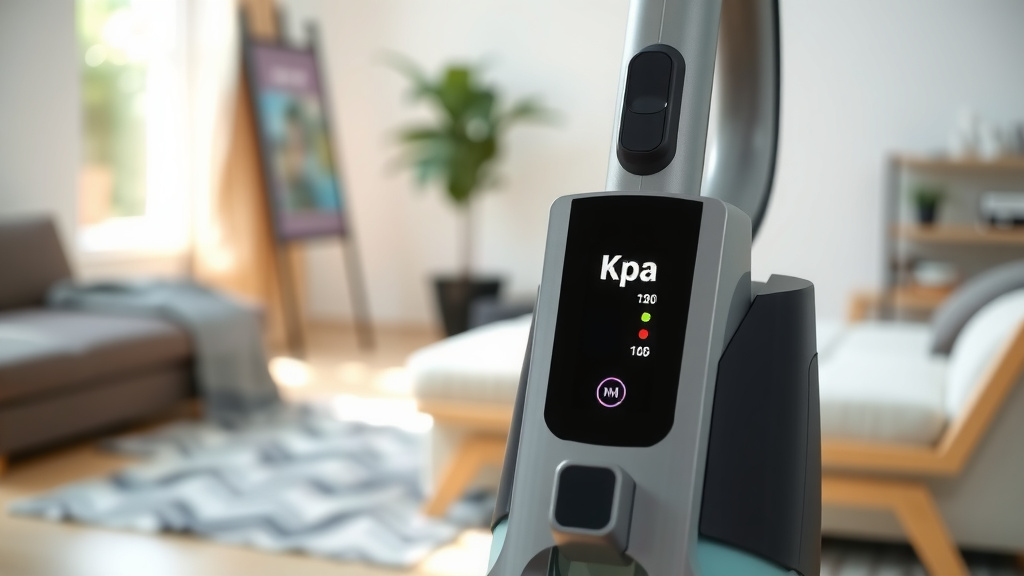
kPa, or kilopascals, in a vacuum cleaner measures the unit of pressure representing the suction power it creates. It tells you how strong the vacuum’s pulling force is.
Generally, a higher kPa value indicates a more powerful vacuum with better suction for lifting dirt and debris from various surfaces.
Here’s a quick summary of what you’ll discover about kPa in vacuum cleaners:
- kPa quantifies suction power: It tells you how much air pressure difference the vacuum can create.
- Higher kPa means stronger pull: Great for deep cleaning or tougher messes.
- It’s not the only factor: Brush roll design and airflow also play big roles.
- Match kPa to your needs: Hard floors need less, thick carpets need more suction.
What Is Kpa In Vacuum Cleaner?
kPa in a vacuum cleaner stands for kilopascals, a metric unit of pressure. When you see this number, it’s telling you about the vacuum’s ability to create a strong suction force by generating a pressure difference. Think of it like a measure of how hard the vacuum can “suck” at its nozzle.
Why Does kPa Matter for Your Cleaning?
You might wonder, “Why should I care about this technical term?” Well, kPa directly impacts how well your vacuum cleans. A vacuum with higher kPa can lift heavier dirt, pull debris from deeper within carpets, and generally tackle tougher cleaning jobs with more efficiency. It’s the muscle behind the machine.
Understanding Suction: It’s All About Pressure
Imagine trying to pull a heavy box. The more force you apply, the easier it moves. A vacuum cleaner works similarly by creating a low-pressure zone inside its system. The greater the difference between the pressure inside and the outside air, the stronger the pull. That difference is what kPa measures. Many experts say it’s a direct indicator of vacuum strength (Consumer Reports).
Is Higher kPa Always Better?
It’s tempting to think “more is always better,” right? For kPa, this is largely true for raw suction power. A vacuum with 25 kPa will generally have stronger suction than one with 15 kPa. However, super high kPa might be overkill for light dusting on hard floors. It often comes with a higher price tag, too!
How kPa Compares to Other Vacuum Metrics
You might see other numbers on vacuum specs, like Air Watts or CFM. How do they relate?
kPa vs. Air Watts
Air Watts combine both airflow (how much air moves) and suction (how hard it pulls). It’s a more comprehensive measure of cleaning power for some. However, kPa focuses specifically on the intensity of the suction. Think of Air Watts as overall effectiveness, and kPa as the specific pulling strength.
kPa vs. CFM (Cubic Feet per Minute)
CFM measures the volume of air moved per minute. It’s all about airflow. A vacuum needs both strong suction (high kPa) and good airflow (high CFM) to clean effectively. High kPa with low CFM might mean it pulls hard but moves little dirt, while high CFM with low kPa might just blow air around. You need a good balance of both for a truly efficient clean.
Finding the Right kPa for Your Home
What’s a good kPa for *you*? It really depends on your cleaning challenges. Do you have plush carpets, pets, or mostly hard floors? Let’s break it down.
Typical kPa Ranges and Their Uses
We found that kPa ratings can vary quite a bit across different vacuum cleaner types and models. Here’s a general idea:
| kPa Range (Approx.) | Best For | Examples |
|---|---|---|
| 8-15 kPa | Light cleaning, hard floors, small spills, handhelds | Handheld vacuums, basic stick vacuums |
| 15-20 kPa | Everyday cleaning, low-pile carpets, pet hair on hard floors | Mid-range stick vacuums, some uprights |
| 20-25 kPa | Deep cleaning, medium-pile carpets, pet hair on carpets | Most standard uprights, canister vacuums |
| 25+ kPa | Heavy-duty cleaning, thick carpets, construction debris | Premium uprights, industrial vacuums |
Beyond the Number: Other Factors Affecting Cleaning
While kPa is vital, it’s not the only piece of the puzzle. A high kPa vacuum with a poorly designed nozzle might still underperform. Here are some other things that influence real-world cleaning:
- Brush Roll Design: A good brush roll can agitate carpet fibers, lifting dirt for the suction to grab.
- Nozzle & Head Seal: A tight seal around the cleaning head keeps suction focused where it’s needed.
- Filter System: Clogged filters reduce airflow and suction, no matter the kPa rating. Keep them clean!
- Hose and Attachments: Leaks in hoses or poorly designed attachments can dramatically decrease effective suction.
- Motor Efficiency: A well-designed motor translates power into suction more effectively.
The “Sweet Spot” for Most Homes
For most average homes with a mix of hard floors and carpets, a vacuum in the 20-25 kPa range often provides a nice balance. It’s strong enough for general cleaning but not excessively powerful or expensive. Many modern cordless stick vacuums are getting closer to this range too, offering impressive power for their size (Good Housekeeping).
Common Misconceptions About Vacuum Suction
Let’s clear up a few things people sometimes misunderstand about vacuum power.
Myth 1: Higher Wattage Always Means More Suction
Not necessarily! Wattage measures how much electricity the motor consumes. A more efficient motor might use fewer watts but produce the same, or even more, suction (kPa). It’s like comparing fuel efficiency in cars; some use less fuel for the same power.
Myth 2: You Need the Most Powerful Vacuum Available
Unless you’re cleaning up after a major renovation, extreme power can be overkill. Too much suction on delicate rugs or lightweight items can actually make cleaning harder, pulling them into the nozzle. Match the tool to the task!
Choosing Your Vacuum: A Quick Checklist
When you’re shopping for a new vacuum, keep these points in mind:
- Think about your main cleaning tasks.
- Consider your floor types.
- Check the kPa rating for suction power.
- Look at Air Watts and CFM, too.
- Read reviews about real-world performance.
- Don’t forget filter quality and brush head design.
Conclusion
So, what is kPa in a vacuum cleaner? It’s your straightforward metric for understanding the raw suction power of a vacuum. A higher kPa means a stronger pull, crucial for deep cleaning and tackling stubborn messes. While it’s a vital number to consider, remember it’s one piece of a larger picture that includes airflow, brush design, and filter quality. Choosing the right kPa means matching your vacuum’s strength to your home’s unique cleaning needs. You want a vacuum that works smart, not just hard, to give you truly clean floors.
Frequently Asked Questions About Vacuum Suction
What is considered good kPa for a vacuum cleaner?
For most homes with mixed surfaces, a kPa range of 20-25 is generally considered very good. This provides strong suction for carpets and effective cleaning on hard floors without being excessive.
Does kPa decrease over time in a vacuum?
Yes, the effective kPa can decrease over time. This often happens due to clogged filters, full dustbins, blockages in the hose, or wear and tear on the motor. Regular maintenance helps maintain optimal suction.
Can a vacuum have high kPa but still not clean well?
Absolutely. A vacuum might have impressive kPa but still underperform if it has poor airflow (low CFM), a badly designed brush roll, or a leaky cleaning head that can’t effectively channel that strong suction to the surface.
Is kPa more important than Air Watts for pet hair?
For pet hair, both are important, but a good balance often works best. High kPa helps lift embedded hair, while good Air Watts (which combines suction and airflow) ensures that hair actually gets pulled into the canister or bag, not just picked up and dropped.
Should I worry about kPa for robot vacuums?
Yes, kPa is still relevant for robot vacuums! Higher kPa in a robot vacuum means it can pick up more debris and handle carpets better. However, battery life and intelligent navigation are also significant factors for robot cleaners.
