How to Remove Tangled Hair from an Upright Vacuum Brush?
On this page (7 sections)
The easiest way to remove tangled hair from your upright vacuum brush is to carefully cut it away. You can often use scissors or a seam ripper for this. Just be sure to unplug your vacuum first to avoid any accidents. Dealing with hair can be a common vacuum headache, but it’s usually quite manageable.
Over time, hair and debris can build up on your vacuum’s brush roll. This build-up can reduce your vacuum’s effectiveness. It might even cause your vacuum to smell. Getting rid of tangled hair ensures your vacuum can keep cleaning your floors properly and efficiently.
- Unplug your vacuum before starting.
- Use scissors or a seam ripper to cut tangled hair.
- Carefully pull away the cut hair.
- Check for any remaining debris.
- Ensure the brush can spin freely.
Let’s walk through exactly how to tackle that stubborn brush roll gunk step by step.
“`htmlTackling That Stubborn Vacuum Brush Roll Hair
Does your vacuum sound like it’s struggling? Are your floors still not as clean as they should be? A prime suspect is usually the brush roll, choked with hair and fuzz. This buildup stops the brush from spinning properly. It means dirt and debris just get pushed around. Fortunately, clearing this tangled mess is usually a straightforward task. You can restore your vacuum’s cleaning power with just a few tools and a little patience.
We’ve all been there. You vacuum, and you think you’re done. Then you notice your vacuum cleaner’s brush isn’t spinning freely. It’s caked with hair. This common problem makes your vacuum less effective. It can even lead to a musty smell. Don’t worry, though. This guide will walk you through how to easily remove tangled hair from your upright vacuum brush. Let’s get your floors clean again!
Getting Started: Safety First!
Before you do anything else, safety is absolutely key. Think of it like preparing a meal – you wouldn’t start chopping without turning off the stove, right? Your vacuum cleaner is no different. You need to disconnect it from the power source.
Unplugging Your Vacuum
This might seem obvious, but it’s the most critical first step. You’ll be working near spinning parts. You don’t want those parts to suddenly start moving while your fingers are nearby. Make sure the vacuum is completely unplugged from the wall outlet. Pull the plug itself from the socket. Don’t just turn it off with the power button. A quick visual check of the cord is a good habit.
Locating the Brush Roll
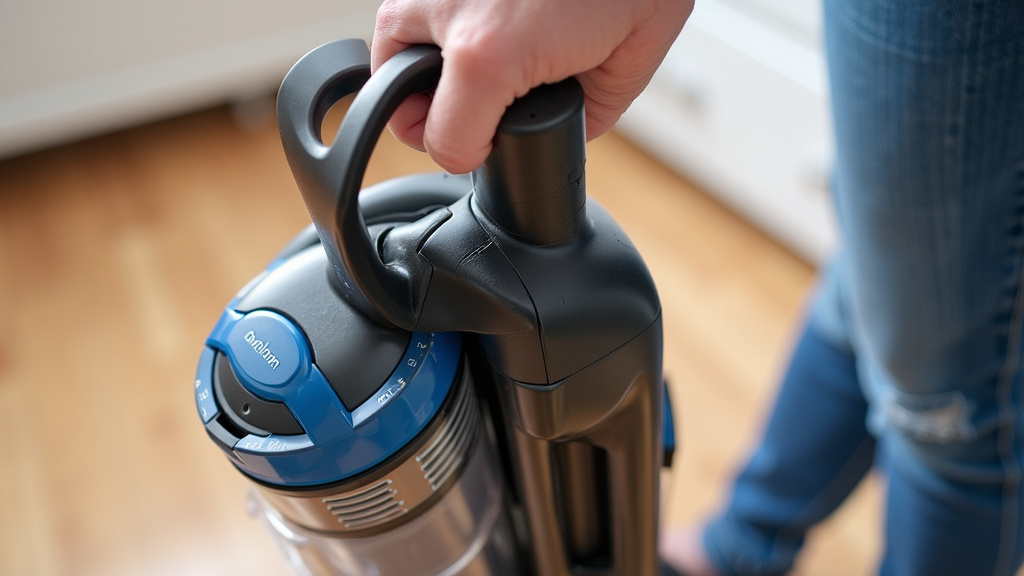
Now that your vacuum is safely powered off, let’s find the brush roll. This is usually located on the underside of the vacuum. It’s the part that spins to agitate carpets and sweep up debris. On most upright models, you can access it by laying the vacuum on its side or back. Some vacuums have a removable cover or panel. Check your owner’s manual if you’re unsure. It will show you exactly how to get to the brush roll.
Gathering Your Tools for the Job
You don’t need a whole workshop for this task. A few common household items will do the trick. Having the right tools makes the job much easier and safer. It also helps prevent damage to your vacuum cleaner.
Essential Cleaning Supplies
Here’s what you’ll likely need:
- Sharp scissors: A small, sharp pair works best. Kitchen scissors or craft scissors are good options.
- Seam ripper: This tool is specifically designed for cutting threads. It’s excellent for carefully slicing through tangled hair without damaging the brush bristles.
- Pliers: Needle-nose pliers can be handy for pulling out stubborn bits of hair or string.
- Small brush or old toothbrush: For sweeping away loosened debris once the hair is gone.
- Gloves (optional): If you prefer not to touch the gunk, gloves can be a good idea.
Understanding Your Vacuum’s Design
Some vacuum models are designed for easier brush roll maintenance. They might have a quick-release mechanism for the brush. Others may require you to unscrew a base plate. Knowing your specific model is helpful. Consult your vacuum’s manual. It often includes diagrams and specific instructions for brush roll cleaning. This step can save you a lot of frustration.
The Step-by-Step Hair Removal Process
Now for the main event! This is where you’ll get your hands (or your tools) dirty. Remember to work carefully. You want to remove the hair without cutting the brush bristles or damaging the vacuum’s internal parts.
Carefully Cutting the Hair
Once you have clear access to the brush roll, you’ll see the tangled hair. It might be wrapped tightly around the bristles. Start by using your scissors or seam ripper. Gently insert the tip under a section of hair. Slice the hair away from the brush roll. Work your way around the entire brush. Try to cut the hair as close to the base of the bristles as possible. This makes it easier to remove.
If using scissors, be very careful not to cut into the bristles themselves. The seam ripper is often preferred because its hook-like blade can slide along the brush roll. It cuts the hair without accidentally snipping the plastic or bristles. Many experts suggest cutting in a direction that pulls the hair away from the center of the roll.
Removing Loosened Debris
After cutting, you’ll have a lot of loosened hair. Use your fingers (or tweezers/pliers) to pull this hair away. It should come off in larger clumps. Don’t just let it fall back into the vacuum housing. Try to remove as much as you can. For any stubborn bits that remain, gently use your pliers to grip and pull them free. This is where patience pays off. Don’t rush the process.
Inspecting the Brush Roll Thoroughly
Once the bulk of the hair is gone, take a close look. Are there any smaller strands or bits of string still wrapped around? Use your seam ripper or scissors to snip these. Then, pull them away. You want the brush roll to be as clean as possible. Pay attention to the ends of the brush roll, too. Hair can sometimes get stuck in the bearings or housing there. A small brush or old toothbrush is great for sweeping away any dust or fine debris.
Checking for Smooth Rotation
This is a key indicator that you’ve done a good job. Once you believe the brush roll is clean, try to spin it by hand. It should rotate smoothly and freely. If you feel any resistance or stiffness, go back and look for any remaining obstructions. Sometimes, a tiny piece of thread or a hair can make a big difference. If it still feels stiff, check the ends where the brush roll connects to the vacuum motor. There might be something lodged there.
Troubleshooting and Prevention Tips
What if things aren’t going as planned? Or, how can you make this job easier next time? A few tips can help.
When Hair is Extremely Tangled
Some hair types, like long human hair or pet fur, can become incredibly dense and tough. If cutting seems difficult, take a break. Try to work from different angles. Sometimes, gently working a bit of the hair loose with your fingers first can help. You can then get your tool underneath it more easily. If you’re struggling, consider if your vacuum model allows for complete brush roll removal. This can provide better access. Check your manual for instructions on removing the brush roll entirely.
Protecting Your Vacuum’s Bristles
The brush roll bristles are designed to agitate carpets effectively. Cutting them would be counterproductive. Always use a tool designed for cutting, like scissors or a seam ripper. Avoid using sharp knives or blades that could easily slip. Work slowly and deliberately. Focus on cutting the hair, not the bristles. Many vacuum manufacturers recommend against using excessive force. Gentle, persistent cleaning is the best approach.
Preventing Future Buildup
The best defense is a good offense, as they say! Regular maintenance can prevent severe tangles. Try to do a quick check of your brush roll every few weeks. If you see hair accumulating, remove it before it becomes a major problem. For homes with pets or long-haired individuals, this might mean checking weekly. Some vacuums have self-cleaning brush rolls, but even these benefit from occasional inspection. Keeping the vacuum’s dustbin or bag emptied regularly also helps maintain optimal suction, reducing strain on the brush. Some vacuums have self-cleaning brush rolls, but even these benefit from occasional inspection.
A Checklist for a Clean Brush Roll
To recap, here’s a quick checklist to ensure you’ve got your brush roll looking spick and span:
- Vacuum is unplugged.
- All visible hair is cut.
- Loosened hair and debris are removed.
- Brush spins freely by hand.
- No bristles appear damaged.
- Tools are put away safely.
Taking a few minutes to clean your vacuum’s brush roll can make a world of difference. It keeps your machine running efficiently. It also helps ensure your home stays truly clean. Happy vacuuming!
“`Conclusion
You’ve now learned how to tackle that common, annoying tangle of hair on your vacuum’s brush roll. Remember, the key is a bit of careful cutting and patient removal, always prioritizing safety by unplugging your machine first. Keeping your brush roll clean ensures your vacuum works its best, leaving your floors truly spotless. Make a habit of quick checks and cleanings to prevent future headaches. Your vacuum will thank you for it, and your clean home will too!
Frequently Asked Questions
How often should I clean my vacuum’s brush roll?
For most homes, checking your brush roll every few weeks is a good practice. If you have pets or long hair in your household, a weekly inspection is recommended. Early removal prevents severe tangles and maintains your vacuum’s efficiency.
Can I use a knife to cut the tangled hair?
It’s best to avoid using a knife. Knives can easily slip and damage your vacuum’s bristles or housing. Tools like sharp scissors or a seam ripper are designed for this task and offer more control, helping you cut the hair without harming the brush.
What if the brush roll is extremely difficult to remove hair from?
If hair is severely matted, try working from different angles or gently loosening it with your fingers first. Some vacuum models allow for complete brush roll removal, which can offer better access. Consult your owner’s manual for specific instructions on removing the brush roll entirely.
Will cleaning the brush roll help my vacuum smell better?
Yes, absolutely! Trapped hair and debris on the brush roll can trap dust and moisture, leading to unpleasant odors. Removing this buildup helps eliminate the source of the smell, making your vacuum cleaner and your home fresher.
My brush roll still feels stiff after cleaning. What should I do?
If your brush roll still feels resistant, re-inspect the ends where it connects to the vacuum. Hair or debris can sometimes get lodged in the bearings or housing. Ensure all obstructions are removed and that nothing is preventing smooth rotation.