How to Mop Vinyl Floors
To mop vinyl floors, sweep first, use a well-wrung microfiber mop with a mild vinyl-safe cleaner, and dry the floor right after. That gentle routine lifts dirt without leaving soap film or pushing water into seams.
On this page (14 sections)
- How to mop vinyl floors step by step
- What should you use to mop vinyl floors?
- Can you steam mop a vinyl floor?
- How do you remove sticky residue from vinyl?
- How dry should the mop be for vinyl?
- What is the best way to mop vinyl for shine?
- Should you use a dry dust mop between mops?
- What routine works best for kitchens and entryways?
- How do you clean vinyl plank compared with sheet vinyl?
- Should you try a steam mop for tough kitchen grime?
- What mistakes should you avoid when mopping vinyl?
- How do you choose the right mop for your home?
- Which products help with this routine?
- How should you mop vinyl floors for the best result?
To mop vinyl floors, sweep first, use a well-wrung microfiber mop with a mild vinyl-safe cleaner, and dry the floor right after. That gentle routine lifts dirt without leaving soap film or pushing water into seams.
Sheet vinyl has a wear layer that protects the printed pattern below it. Harsh scrubbing can thin that layer, and too much water can lift edges or stress seams.
How to mop vinyl floors step by step
Sweep, mix a mild solution, mop in small sections, and dry each section as you go. Working in small areas stops dirty water from spreading.
- Sweep or vacuum to remove grit, crumbs, and hair.
- Fill a bucket with warm water and add a mild cleaner made for vinyl.
- Dip a microfiber mop and wring it until it is damp, not dripping.
- Mop in smooth back-and-forth strokes, overlapping slightly.
- Rinse the mop often so you do not spread soil.
- Dry the floor with a clean towel or dry side of the mop.
Change the water when it looks gray. Dirty water leaves a film that makes vinyl look dull.
Our guide to mops and buckets explains the basic setups if you are starting from scratch.
What should you use to mop vinyl floors?
Use a soft microfiber mop and a small amount of mild, vinyl-safe cleaner. Microfiber picks up soil instead of pushing it around, and it needs less water than a cotton string mop.
Avoid cleaners with harsh solvents, abrasive powders, or wax. Those products can dull the finish or make the floor slippery.
Plain warm water handles light maintenance on many floors.
Which mop pad works best for sheet vinyl?
A flat microfiber pad is the best choice for most sheet vinyl. It glides with light pressure and reaches under low furniture better than a bulky mop head.
Machine washable pads save money over time. Wash them without fabric softener so they keep picking up dirt, and replace them when they fray.
Can you steam mop a vinyl floor?
Steam can suit some sealed vinyl, but a damp mop is safer for routine care. Steam adds moisture and warmth near seams.
Check your flooring instructions before you steam. If your guide does not mention steam, use a wrung-out microfiber mop instead.
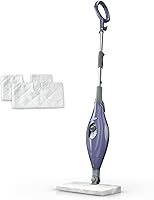
The Shark Steam Pocket Mop S3501 starts steaming in as little as 30 seconds. Shark says it removes 99.9% of common household bacteria with steam and just water when used as directed.
Its two double-sided Dirt Grip pads let you flip the head and keep cleaning with fewer washes. The mop weighs under 5 lb and swivels around furniture.
Use steam sparingly on sheet vinyl and only when your flooring guide allows it.
How do you remove sticky residue from vinyl?
Soften sticky residue with warm water and mild cleaner, then lift it with a soft cloth. Let the solution sit for a few minutes so the sticky layer releases without scraping.
Dampen a microfiber cloth, not the floor itself. Rinse with a clean cloth dampened with plain water.
Skip metal scrapers, abrasive pads, and strong solvents. Those tools can scratch the wear layer.
Residue from tape often needs a second pass, so repeat the soak and lift steps instead of pressing harder.
How dry should the mop be for vinyl?
The mop should be damp, never dripping. Excess water can seep into seams, edges, and small cuts in the surface.
Wring a string mop until no drops fall from it. For a flat microfiber mop, use a damp bucket dip, then wring firmly.
You want a light damp sheen, not puddles.
Dry the floor as you finish each section. A dry microfiber pad picks up remaining moisture and soap film, which prevents streaks.
What is the best way to mop vinyl for shine?
Use less cleaner, rinse the mop often, and dry the floor fully for the best shine. Most dull vinyl is coated with soap film or dried mop water.
Start with plain warm water for light soil. Add a mild vinyl cleaner only when water alone does not cut the grime.
Finish with a dry pass using a clean microfiber pad. That pass removes soap residue and evens out streaks.
Skip wax and polish unless your flooring maker asks for them.
Should you use a dry dust mop between mops?
Yes, a dry microfiber dust mop helps you mop less often and protects the wear layer. Grit is the part that scratches vinyl, so removing it before you mop matters.
Dust mopping also picks up pet hair and crumbs that a damp mop can smear. Use a flexible head that reaches under furniture and along baseboards.
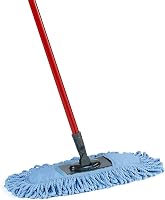
The O-Cedar Dual-Action Microfiber Sweeper Dust Mop has an ultra-dense chenille head that traps dust, dirt, and hair. It works as a wet or dry mop and suits vinyl, tile, laminate, and marble.
Its head flexes to clean baseboards in the same motion as the floor. Wash the refill when the head looks loaded, since a dirty pad pushes dust back onto the floor.
What routine works best for kitchens and entryways?
Sweep daily in high-traffic areas and damp mop once a week. Kitchens add grease and spills, while entryways bring in grit from shoes.
Place a mat at each door to catch outdoor grit. Shake the mat outside often so it does not become a dirt source.
For grease spots, use a slightly stronger mix of mild cleaner on the cloth, not on the whole floor. Let it sit for a minute, then wipe and rinse.
If you want hands-free upkeep, look at the Best Robot Vacuum For Vinyl Plank Floors guide for sweeping between mops. Our page on Best Robot Vacuum Mop Attachment For Hardwood Floors also explains mop attachments.
How do you clean vinyl plank compared with sheet vinyl?
Sheet vinyl and vinyl plank both need a damp microfiber mop, but plank needs extra care at the joints. Plank floors have more seams, and water can work into those gaps if you mop too wet.
If your home has plank instead of sheet, read how to mop vinyl plank flooring for joint-specific tips. Our best mop for vinyl floors page compares mop types for both formats.
For plank, keep the mop even drier and dry the joints as you go. Check our best microfiber mop for lvp guide if you want pad options made for plank.
Should you try a steam mop for tough kitchen grime?
A steam mop with a scrubber helps with dried-on kitchen spots, but check your vinyl guide first. Heat cuts grease well, yet sheet vinyl can be sensitive near seams.
The BISSELL Steam Mop 1940A PowerFresh has a 12-inch cleaning path and a 23-foot power cord. It flips down an Easy Scrubber to break up dried-on messes and grout buildup.
BISSELL says it kills 99.9% of germs and bacteria when used as directed, and it has three steam settings. Its XL removable water tank holds 16 fluid ounces.
Use the lowest steam setting that lifts the soil, keep the mop moving, and dry the floor right after.
What mistakes should you avoid when mopping vinyl?
Avoid soaking the floor, using abrasive tools, and leaving soap to dry. Those three mistakes cause most dull, sticky, or damaged vinyl.
Do not use a mop that leaves puddles behind. Do not scrub with a rough pad to remove a stain.
Do not skip the dry pass, since dried cleaner film attracts dirt.
Watch for cleaners meant for wood, stone, or grout. When in doubt, test a small hidden spot with a damp cloth and check for color change.
Store mops with clean, dry pads so mildew odor does not transfer to the floor.
How do you choose the right mop for your home?
Pick a flat microfiber mop for routine care and add steam only if your flooring guide allows it. Your floor size and cleaning habits should drive the choice.
A lightweight dust mop suits quick daily sweeps. A bucket and wringer suits larger areas where you mop weekly.
A steam mop suits homes that want heat for sanitizing.
Check the best mop for vinyl plank floors guide if your floor is plank rather than sheet. You may also wonder is swiffer a microfiber mop before you buy disposable pads.
Which products help with this routine?
Choose the O-Cedar for daily dusting, the Shark for light steam cleaning, or the BISSELL for scrubbing dried-on spots. Each one fits a different part of a vinyl care routine.
The O-Cedar is the best pick for between-mop dusting because it is light and washable. The Shark suits sealed vinyl when you want steam with double-sided pads.
The BISSELL suits tough kitchen grime because its scrubber flips down.
Whichever mop you pick, keep the pad clean and the water low.
How should you mop vinyl floors for the best result?
Sweep first, mop with a well-wrung microfiber pad and mild cleaner, then dry the floor right away. That simple order protects sheet vinyl from grit scratches, soap film, and excess water.
Use a dry dust mop between weekly mops in busy rooms. Soften sticky residue with a damp cloth instead of scraping.
For plank floors, read our guide to how to mop vinyl plank flooring and compare options in best mop for vinyl floors. For pads made for plank, see best microfiber mop for lvp.
Frequently asked questions
How often should you mop vinyl floors?
Mop sheet vinyl weekly in busy kitchens and entryways, and every two to four weeks in low-traffic rooms. Sweep or vacuum grit first, because grit can scratch the wear layer when you mop.
Adjust the schedule to foot traffic, pets, and tracked-in soil.
What should you never use on vinyl floors?
Avoid abrasive pads, strong solvents, wax, and cleaners meant for sealed wood or stone. Skip soaking the floor with a dripping mop, since water can seep into seams and edges.
Use a mild cleaner made for vinyl and wring the mop until it is damp, not wet.
Can you use steam on vinyl floors?
Some steam mops are designed for sealed hard floors including vinyl, but steam is not the best choice for every vinyl product. Heat and moisture can affect seams and some finishes, so check your flooring care guide first.
A damp microfiber mop is safer for routine cleaning if you are unsure.
How do you remove sticky residue from vinyl?
Dampen a soft cloth with warm water and a small amount of mild cleaner, then let it sit on the spot for a few minutes. Lift the softened residue with the cloth instead of scraping it.
Rinse the area with a clean damp cloth and dry it so no cleaner film remains.