
How Does A Wet And Dry Vacuum Cleaner Work?
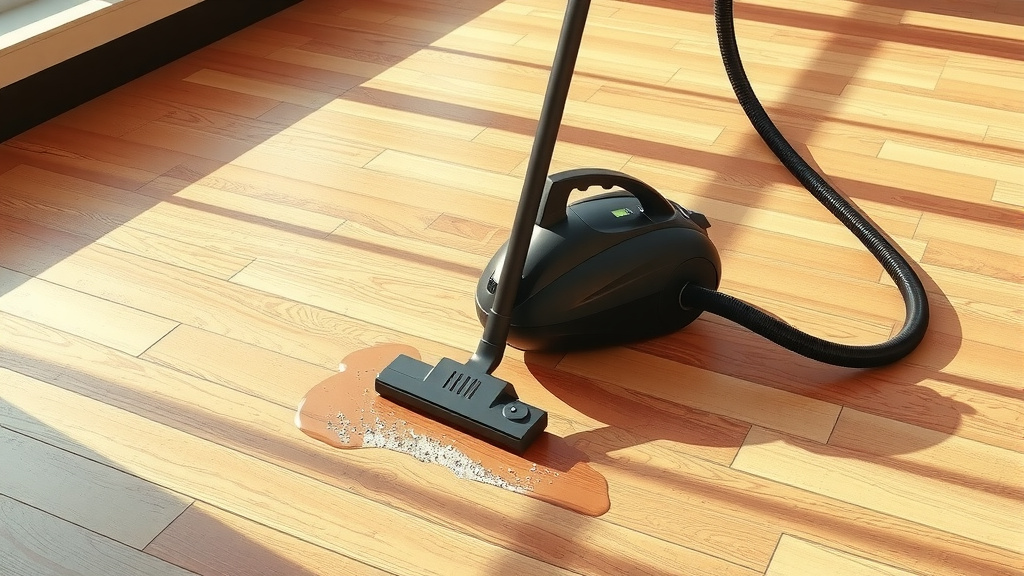
A wet and dry vacuum cleaner works by using a powerful motor to create suction, pulling both dry debris and liquids into separate collection tanks through specialized filtration systems.
Unlike traditional vacuums, a wet and dry vacuum cleaner uses distinct methods for handling solids and liquids, making it incredibly versatile for various cleaning tasks.
- The article explains how these versatile vacuums switch between dry debris and liquid clean-up.
- You will learn about the key components involved in both dry and wet vacuuming.
- Discover the specific mechanisms that prevent water from reaching the motor.
- We share why a wet and dry vacuum is a practical tool for many homes and tasks.
- Find essential safety tips and maintenance advice to keep your machine working well.
How Does A Wet And Dry Vacuum Cleaner Work?
A wet and dry vacuum cleaner operates with a single motor creating powerful suction, but it cleverly manages two different kinds of messes: solids and liquids. It has distinct internal setups to handle each type of clean-up effectively.
The Dual Power: Wet vs. Dry Modes
Think of your wet and dry vacuum as having two personalities in one body. When you’re cleaning up dry dirt, it acts like a regular vacuum, but with a special filter for dust. When you switch to liquids, it changes its approach, often using a different filter or no filter, and has a mechanism to stop water reaching the motor. This dual capability makes it a versatile tool for your home or workshop.
Key Components for Dry Cleaning
For dry vacuuming, your machine uses a robust motor to generate airflow. This airflow pulls in dust, dirt, and debris through a hose and into a collection container. A critical component here is the dry filter, usually made of pleated paper or foam, which traps fine particles and prevents them from reaching the motor. We found that proper filter maintenance is essential for maintaining strong suction (Consumer Reports).
Key Components for Wet Cleaning
When you’re tackling spills, the process changes slightly. The motor still creates suction, but the airflow directs the liquid into a separate collection tank. The dry filter is usually removed or replaced with a foam filter for wet tasks. The most important feature is often a float ball mechanism. This small but mighty device rises with the water level, eventually blocking the suction port to prevent liquid from overflowing or entering the motor, protecting your machine.
How It Handles Liquids
Ever wonder how a vacuum cleaner can suck up water without getting ruined? It’s quite clever! When you vacuum liquids, the machine’s design ensures the water goes directly into a tank, bypassing the motor. The float ball we mentioned earlier is your machine’s guardian angel. As the liquid level in the tank rises, the float ball lifts and seals the intake. This action instantly cuts off suction, alerting you that the tank is full and needs emptying. Many experts say this float system is a cornerstone of wet vacuum safety and functionality (Popular Mechanics).
| Feature | Wet Vacuuming | Dry Vacuuming |
|---|---|---|
| Filter Type | Foam filter or no filter | Paper or cartridge filter |
| Collection | Liquid in tank | Dust/debris in tank/bag |
| Motor Protection | Float ball mechanism | Dry filter |
| Usage Examples | Spills, clogged drains | Dust, pet hair, dirt |
Why Choose a Wet and Dry Vacuum?
Perhaps you’re thinking, “Do I really need one of these?” Well, consider the scenarios. If you’ve ever had a burst pipe, a significant drink spill, or a pet accident, you know how quickly things can get messy. These vacuums are not just for emergencies. They’re fantastic for cleaning garages, workshops, basements, and even your car’s interior. Their ability to handle both dry dirt and sudden liquid mishaps makes them a highly practical investment for diverse cleaning needs.
Who Benefits Most?
You might be a homeowner with an active family, a DIY enthusiast, or someone who frequently works in a workshop. Maybe you have pets that occasionally make a mess. For all these groups, a wet and dry vacuum offers significant advantages. It saves you from using towels or mops for big spills and makes quick work of sawdust or construction debris. It’s a real problem-solver, allowing you to tackle different clean-ups without needing multiple tools.
Essential Safety Tips You Need to Know
Working with any electrical appliance, especially one that handles water, requires common sense and caution. Always ensure your vacuum cleaner is unplugged before you change filters or empty the tank. Never pick up flammable liquids or anything hot, like ash from a fireplace, unless your specific model is designed for it. Make sure the filter is correct for the task; using a dry filter for wet vacuuming can damage your machine. Safety first, always!
- Ensure the correct filter is installed for the task.
- Always unplug the machine before maintenance.
- Empty the tank promptly after wet vacuuming.
- Avoid picking up flammable liquids.
- Check the power cord for damage regularly.
- Read your specific model’s user manual.
Maintaining Your Machine for Longevity
Just like any tool, your wet and dry vacuum cleaner needs a little care to keep it performing its best. After dry vacuuming, tap or brush off your dry filter to remove accumulated dust. If it’s washable, let it dry completely before reuse. After wet vacuuming, empty the tank immediately and rinse it out to prevent mildew or odors. Regularly checking the hose for blockages and ensuring all attachments are clean will help maintain optimal suction and efficiency.
Common Misconceptions About These Vacuums
It’s easy to misunderstand what these powerful machines can and cannot do. A common misconception is that they are full-fledged carpet cleaners. While they can extract water from a carpet after a spill, they typically do not have a scrubbing brush or a spray function for deep carpet cleaning. They are also not designed for continuous, heavy-duty industrial use unless specified. Understanding their true capabilities helps you set realistic expectations.
Beyond the Basics: Advanced Features
Some wet and dry vacuums come with extra bells and whistles that can make your cleaning life even easier. Many models include a blower function, which is fantastic for clearing leaves from a driveway or sawdust from a workbench. Others offer specialized attachments for pet hair, tight corners, or even car detailing. We found that choosing a model with features that match your specific needs can significantly enhance your cleaning experience.
Making the Most of Your Investment
To truly get value from your wet and dry vacuum, use it regularly and correctly. Don’t let spills sit, and don’t let workshop dust pile up. Think of it as your all-in-one clean-up solution. By following the maintenance tips and understanding its capabilities, you’ll find it an incredibly reliable and versatile tool. It’s about leveraging its dual nature to keep your spaces tidy and accident-free.
Conclusion
Your wet and dry vacuum cleaner is a testament to clever engineering, offering a simple yet brilliant solution for varied cleaning challenges. Its ability to switch effortlessly between dry debris and liquid spills, protected by smart mechanisms like the float ball, makes it a truly invaluable asset. By understanding how it works and taking care of it, you’re not just buying a machine; you’re investing in a versatile helper that brings cleanliness and peace of mind to your home or workspace.
How do I switch my wet and dry vacuum from dry to wet mode?
To switch from dry to wet mode, you usually need to remove the dry filter (often a pleated cartridge filter) and replace it with a foam filter or sometimes no filter at all, depending on your model. Always consult your user manual for exact instructions and recommended filter types.
Can I use a wet and dry vacuum to unclog a drain?
Yes, many people find a wet and dry vacuum effective for unclogging drains. By creating a strong seal around the drain and using maximum suction, it can often pull out blockages. Just ensure you remove any filters before attempting this to avoid damage.
Is it normal for a wet and dry vacuum to lose suction when the tank is full?
Absolutely, it is completely normal and designed this way for safety. The loss of suction indicates that the internal float ball has risen, blocking the air intake to prevent liquid from overflowing or reaching the motor. This is your cue to empty the tank.
Can I vacuum hot liquids with a wet and dry vacuum?
Generally, you should avoid vacuuming hot liquids or anything above lukewarm temperature. Hot liquids can potentially damage internal components like hoses, seals, or the motor itself, and can also pose a burn risk. Always let liquids cool down before vacuuming.
How often should I clean or replace the filters in my wet and dry vacuum?
The frequency depends on how often you use your vacuum and what you’re cleaning. For general use, cleaning the dry filter after every few uses is a good practice. Foam filters for wet vacuuming should be rinsed and dried after each use. Replace filters when they appear worn, damaged, or cannot be cleaned effectively, as this impacts suction.
