How to Use a Wet and Dry Vacuum for Spills
To use a wet and dry vacuum cleaner, you simply need to switch out the filter and choose the correct attachment based on whether you are cleaning dry debris or liquid spills.
Always ensure your vacuum is unplugged before changing filters or emptying the tank, and routinely clean both the tank and filters to keep your machine ready for action.
- TL;DR:
- Filter Focus: Always use the correct filter for either wet or dry messes; switching is simple.
- Attachments Matter: Choose the right nozzle for the job, whether it’s dry dust or a liquid spill.
- Safety First: Unplug before maintenance and keep electrical parts dry.
- Emptying is Easy: Get rid of debris and liquids promptly after each use.
- Keep it Clean: Regular cleaning of the tank and filters prevents smells and maintains power.
How To Use A Wet And Dry Vacuum Cleaner?
Using a wet and dry vacuum cleaner means you have a versatile cleaning powerhouse. You can easily switch between sucking up dry dirt and tackling unexpected liquid messes with the same machine.
Imagine your little one’s juice box spill on the carpet or sawdust after a DIY project. Your wet and dry vacuum handles both. It’s a tool that really gives you options around the home or workshop.
Understanding Your Wet and Dry Vacuum
Before you dive into cleaning, it helps to know your machine a little better. These vacuums are designed for tough jobs that regular vacuums just can’t handle. They’re built to be rugged and super effective.
We found that many users often underestimate the capabilities of these machines. They are truly the workhorses of the cleaning world, capable of handling everything from fine dust to chunky debris and water.
What’s the Big Difference? Wet vs. Dry
The main difference comes down to how they handle material and, more importantly, the filter. For dry vacuuming, you use a filter that captures dust and small particles.
When you switch to wet vacuuming, that filter either needs to be removed or replaced with a foam filter, depending on your model. This prevents water from damaging the motor (Consumer Reports).
Parts of Your Machine
Your wet and dry vacuum usually has a large collection tank, a powerful motor head, a flexible hose, and various attachments. There’s also the crucial filter, which we just discussed.
Getting familiar with these parts makes your cleaning process smoother. Knowing where everything goes helps you set up quickly and efficiently for any cleaning challenge.
Getting Ready for Dry Cleaning
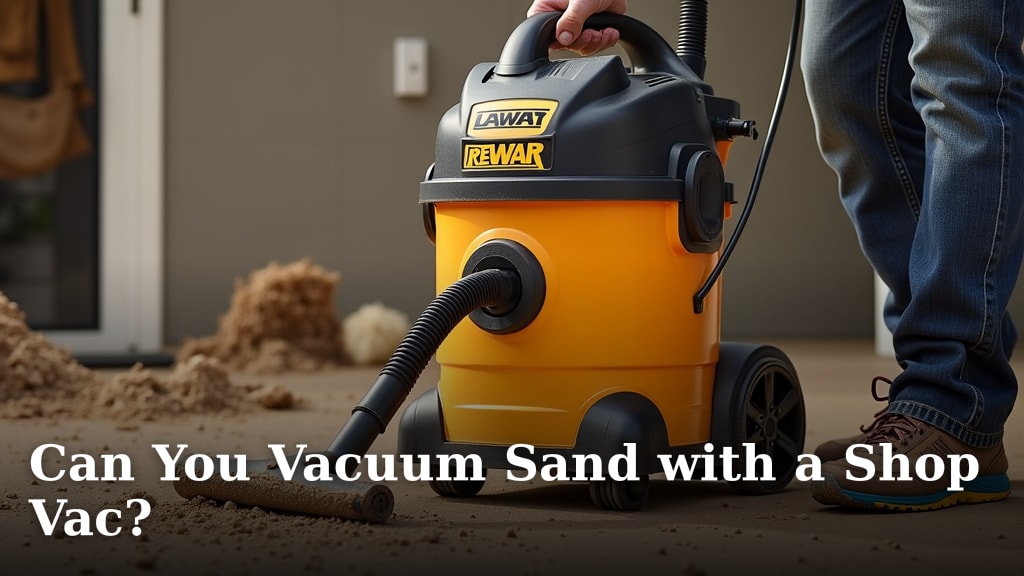
Think of dry cleaning as preparing for a regular vacuuming job, but often for much tougher messes. You’ll be picking up dirt, dust, wood shavings, and even small bits of plaster or broken glass.
Always make sure the drum is empty before starting. This ensures maximum capacity for the new mess you are about to tackle.
Prepping for Dust and Debris
For dry cleanup, you need to ensure the correct filter is securely in place. This is typically a cartridge filter or a bag filter, which traps all the fine particles and protects the motor.
Failing to use the right filter can lead to dust getting into the motor, which shortens your vacuum’s life. Many experts say that proper filtration is the heart of dry vacuuming (OSHA).
Choosing the Right Tools
Different dry messes call for different attachments. A wide floor nozzle is great for large areas like workshop floors.
For tighter spots or corners, a crevice tool works wonders. A brush attachment can help loosen stubborn dirt before you vacuum it up. It’s all about matching the tool to the task for the best results.
Tackling Wet Spills
This is where your wet and dry vacuum really shines. Spilled drinks, burst pipes, or even clogged sinks become much less daunting when you have this machine on your side.
Just remember, treating liquid messes is a different beast from dry dirt, and your setup needs to reflect that. Always be mindful of the liquid capacity of your tank.
Setting Up for Liquids
The first step for wet cleanup is often to remove the dry filter or replace it with a foam sleeve, if your model requires it. This protects the motor from water damage.
You also typically won’t use a dust bag. The liquids go directly into the tank. We found that forgetting this step is a common oversight that can damage your machine.
How to Extract Liquids Effectively
Use a squeegee nozzle for large puddles on hard floors. For carpets, a utility nozzle can help extract water efficiently, almost like blotting with super suction.
Move the nozzle slowly over the liquid. You want to give the vacuum time to pull up as much as possible. Don’t rush it; slow and steady wins the race when it comes to wet extraction.
Maintenance for Longevity
A little bit of care goes a long way in keeping your wet and dry vacuum running smoothly for years. Think of it like taking care of your car; regular checks make a big difference. If you store it through cold weather, see how to winterize a wet dry shop vacuum.
Proper maintenance not only extends the life of your machine but also ensures it always performs at its best. Nobody wants a vacuum that struggles with simple tasks.
Emptying and Cleaning the Tank
After every wet use, you absolutely must empty the tank. Standing water can cause mildew, odors, and corrosion over time. Simply unclip the motor head and pour out the contents.
Give the tank a quick rinse with clean water and let it air dry completely before storing. For dry use, just dump the collected debris. It’s a simple step that makes a world of difference.
Filter Care is Key
Filters get dirty, and dirty filters reduce suction power. For dry filters, tap them clean or use a compressed air can to blow out dust.
Some wet/dry filters are washable. If yours is, rinse it with water and let it air dry completely before reinstalling. A clean filter is a happy, efficient filter.
- Pre-Cleaning Checklist:
- Is the tank empty?
- Is the correct filter installed (dry or wet)?
- Are attachments appropriate for the mess?
- Is the power cord in good condition?
- Are you wearing any necessary protective gear?
Common Mistakes to Avoid
Even with a versatile tool, there are always a few pitfalls to watch out for. Avoiding these common errors can save you frustration and keep your vacuum in top condition.
We found that many issues arise from simply not knowing these small but significant details. A little knowledge here prevents major headaches later.
One common mistake is using the dry filter for wet messes. This can ruin the filter and potentially damage the motor if water reaches electrical components. Another is trying to vacuum hot ashes, which is a significant fire hazard.
Safety Tips for Using Your Vac
Your wet and dry vacuum is powerful, and with power comes responsibility. Always prioritize your safety and the longevity of your machine.
Research often connects proper tool handling with preventing accidents (National Safety Council). A few simple rules keep everyone safe and your cleaning effective.
Always unplug the vacuum before making any changes, such as swapping filters or emptying the tank. Never pick up flammable liquids like gasoline or paint thinners. Also, ensure your hands are dry when plugging or unplugging the unit.
When to Use Your Wet and Dry Vac
Knowing when to pull out this specialized vacuum can make your cleaning life much easier. Here’s a quick guide to common scenarios:
| Scenario | Recommended Mode | Why It Works |
|---|---|---|
| Sawdust in the workshop | Dry | Picks up fine particles and larger wood chips efficiently. |
| Basement flood / Burst pipe | Wet | Quickly removes large volumes of standing water to prevent damage. |
| Spilled drink on carpet | Wet | Extracts liquid from fibers, minimizing stains and odors. |
| Cleaning car interior (dirt/crumbs) | Dry | Powerful suction for deep cleaning car mats and upholstery. |
| Cleaning fireplace ash (cold only!) | Dry | Can handle fine ash, but only if completely cold to avoid fire risk. |
Conclusion
Using a wet and dry vacuum cleaner is straightforward once you grasp a few key principles. The ability to seamlessly switch between dry debris and liquid spills makes it an indispensable tool for any homeowner or DIY enthusiast.
Remember to always choose the right filter, use appropriate attachments, and maintain your machine with regular cleaning. By following these simple guidelines, you’ll maximize its performance and ensure it stands ready for any mess that comes your way. It’s more than just a vacuum; it’s your cleanup partner.
What is the main difference between a wet and dry vac and a regular household vacuum?
The main difference is that a wet and dry vacuum can safely pick up both solid debris and liquids, while a regular household vacuum is only designed for dry messes and can be severely damaged if used on water.
Can I use a wet and dry vacuum without water for dry cleaning?
Absolutely! Most of the time, you’ll use it for dry cleaning. Just make sure the appropriate dry filter (like a cartridge or bag filter) is installed to capture dust and protect the motor.
How often should I clean the filter in my wet and dry vacuum?
It’s a good practice to clean the filter after every few uses, or whenever you notice a drop in suction power. For heavy-duty use or very dusty environments, you might need to clean it more frequently to maintain efficiency.
Can a wet and dry vacuum pick up hot liquids or flammable materials?
No, you should never use a wet and dry vacuum to pick up hot liquids, such as boiling water, or any flammable materials like gasoline, paint thinners, or even hot fireplace ashes. Doing so is extremely dangerous and can cause serious injury or damage to the machine.
What kind of maintenance does a wet and dry vacuum require?
Basic maintenance includes emptying and cleaning the tank after each use, especially after wet spills. You also need to clean or replace filters regularly and check hoses and attachments for blockages or damage. Storing it in a dry place also helps prevent corrosion.