Can Dry Vacuuming Remove Soluble Salts?
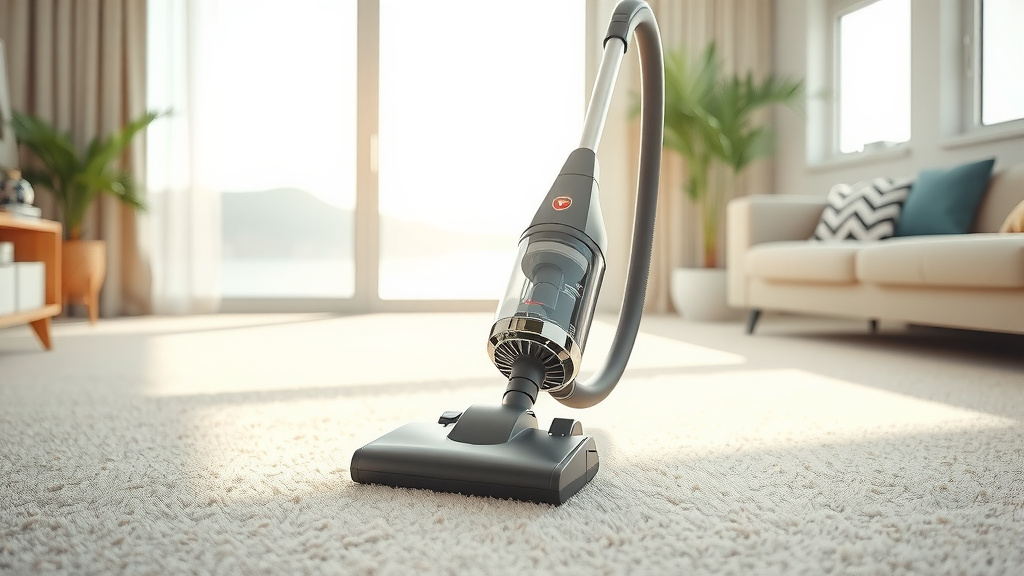
Dry vacuuming can pick up loose, dry salt crystals, but it won't remove soluble salts dissolved in moisture or residue stuck to a floor. Dissolved salts need a suitable damp cleaning method and thorough drying.
On this page (8 sections)
- Can dry vacuum cleaning remove soluble salts?
- Why do dissolved salts stay on the floor?
- What should you do when salt is dry versus damp?
- How can you clean salt residue from sealed hard floors?
- When is a wet-and-dry vacuum useful?
- Can a vacuum help with carpet salt residue?
- Which vacuum suits dry salt pickup?
- What is the practical rule for soluble salts?
Dry vacuuming can pick up loose, dry salt crystals, but it won't remove soluble salts dissolved in moisture or residue stuck to a floor. Dissolved salts need a suitable damp cleaning method that lifts or rinses away residue, followed by thorough drying.
The key difference is whether the salt is still a dry particle or has dissolved. A vacuum collects debris by suction; it doesn't dissolve salt or rinse a surface.
Can dry vacuum cleaning remove soluble salts?
Dry vacuum cleaning removes loose salt crystals, not dissolved salt residue. If moisture has dissolved the salt, the remaining solution can dry onto a floor or carpet fiber and leave residue behind.
Vacuuming is useful before wet cleaning when visible crystals are dry. It can reduce the amount of loose grit that might otherwise spread during wiping.
A vacuum is also useful after an area has dried, if dry crystals remain. For more on what a vacuum can collect, see what a vacuum cleaner removes from dust.
Why do dissolved salts stay on the floor?
Dissolved salt is carried by liquid, so suction alone does not rinse it away. Once the moisture evaporates, salt may remain on the surface or within carpet fibers.
A dry vacuum may collect some dried crystals if they're loose and accessible. But a thin residue can cling to the floor, and crystals below the surface may be out of reach.
Don't confuse a floor that looks dry with a floor that is free of residue. If a salty spill has dried, use a cleaning method compatible with the flooring and follow its care instructions.
What should you do when salt is dry versus damp?
Vacuum dry, loose crystals first; clean damp or dried residue with a suitable method. Keep a dry-only vacuum away from wet spills unless its instructions allow liquid pickup.
For dry debris, use the right floor setting or attachment and make controlled passes. Avoid grinding crystals into delicate surfaces with a brush or nozzle.
For residue, use a clean cloth or mop dampened as the floor maker permits. Work from the outside of the affected area toward its center, then dry the floor so moisture doesn't spread or linger.
On carpet, check its care instructions before applying water or a cleaning solution. If the spill has dried in the fibers, how to deep clean carpet with a carpet cleaner explains a deeper cleaning approach.
Should you vacuum before damp cleaning?
Yes, vacuum first when the salt is dry and loose. Removing crystals before wiping can help prevent them from spreading across the floor.
If the area is damp, skip a dry-only vacuum and blot up liquid with an absorbent cloth. Then use a compatible cleaning approach once you know the surface can tolerate it.
For carpet, the order matters too. See should you vacuum before carpet cleaning? for guidance on preparing carpet before a cleaning session.
How can you clean salt residue from sealed hard floors?
Use a floor-safe damp cleaning method, then dry the surface. Check the floor manufacturer's instructions before using steam, water, or a cleaning product.
A washable microfiber pad can help collect loosened residue during damp cleaning. Rinse or replace the pad when it looks dirty so you're not spreading residue back across the floor.
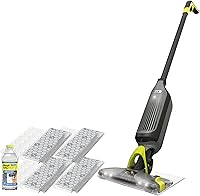
The Shark Steam Pocket Mop is designed for sealed hard floors, including hardwood, tile, stone, laminate, and vinyl. It has two washable double-sided pads, so you can flip to a clean side during a session.
Use steam only if your floor's care instructions allow it. Steam and moisture are not suitable for every surface, and a soiled pad can move residue instead of lifting it.
The BISSELL PowerFresh steam mop has three steam settings, washable microfiber pads, and a built-in scrubber for tough grime. It's intended for sealed hard floors such as sealed hardwood, tile, granite, and marble.
Steam cleaning can loosen residue, but the pad still needs to capture it. Change or wash the pad when needed, and follow the floor's care directions.
When is a wet-and-dry vacuum useful?
A wet-and-dry vacuum can collect liquid only when it's designed and set up for wet pickup. Check its manual for the right mode, attachments, and care steps before using it on a spill.
Wet pickup can help remove pooled liquid, but it doesn't replace rinsing or wiping residue from a floor. After collecting a spill, use a compatible cleaning method to address what's left on the surface.
Learn how wet and dry vacuums switch cleaning modes before using one around liquid. A standard dry vacuum should be used only as its instructions allow.
Can a vacuum help with carpet salt residue?
Vacuuming can remove loose, dry crystals from carpet, but damp residue needs carpet-safe cleaning. Don't soak the carpet or apply a solution without checking its care guidance.
Once you have removed dry debris, a compatible carpet cleaner may help rinse soil from fibers. Follow the machine and carpet instructions, and avoid leaving the carpet wetter than directed.
After carpet cleaning, drying and vacuum timing matter. Read should you vacuum after carpet cleaning? before making another pass.
If you need a brush for manual carpet care, a best carpet shampoo brush guide can help you compare brush styles. Choose a brush suited to your carpet, since aggressive scrubbing can damage some fibers.
Which vacuum suits dry salt pickup?
Choose a vacuum that matches the floor and the debris, and use it only on dry material unless it supports wet pickup. For routine dry pickup, an upright vacuum with a detachable pod can also reach above-floor areas.
The Shark Navigator Lift-Away is an upright vacuum with a detachable pod, swivel steering, and a HEPA filter with a sealed system. Its crevice and upholstery tools can help reach narrow spaces and fabric surfaces.
Don't use a dry vacuum to collect wet salt water. For a liquid spill, blot or use equipment specifically designed for wet pickup, then clean residue with a method approved for the surface.
What is the practical rule for soluble salts?
Vacuum loose, dry crystals; use compatible damp cleaning for dissolved or stuck residue. Dry vacuuming is a first step for dry debris, not a complete salt-removal method.
For sealed hard floors, use a floor-safe damp method and a clean pad, then dry the surface. For carpet, follow carpet care instructions and use a cleaning approach suited to its fibers.
Pick the Shark Steam Pocket Mop or BISSELL PowerFresh when your sealed hard floor allows steam. Pick the Shark Navigator for dry debris pickup, and use a wet-and-dry vacuum only when liquid collection is needed and its instructions permit it.
Frequently asked questions
Can a vacuum remove salt from carpet?
A vacuum can collect loose, dry salt crystals from carpet fibers, especially when they sit near the surface. It won't dissolve or rinse out salt residue.
Repeated passes may not reach crystals embedded in the pile.
For a spill or visible residue, follow the carpet maker's care instructions and use a compatible cleaning method.
Does dry vacuuming remove dissolved salt?
No. Dissolved salt is carried in moisture and can dry back onto the floor or fibers as residue, so vacuuming alone won't remove it.
Use a cleaning method suited to the floor that can lift or rinse the residue, then dry the area as directed.
Avoid adding water to a surface that can't tolerate it.
Should I vacuum before cleaning salt residue?
Yes, if the salt is loose and dry, vacuuming first can remove crystals before damp cleaning. This keeps the dry debris from spreading as you work.
Don't vacuum wet residue with a dry-only vacuum, and check the floor or carpet care instructions before applying water or a cleaner.
Can steam mops remove soluble salts?
Steam can loosen some floor soil, but it doesn't guarantee that soluble salt residue is fully removed. The result depends on the floor, the salt, and whether the cleaning pad lifts and retains the residue.
Use a steam mop only on sealed hard floors its maker allows, and change or wash pads as needed.