Steam Mop vs Wet Dry Vacuum: Which Should You Choose? (October 2026)
Choose a steam mop for steam cleaning sealed hard floors, or a wet dry vacuum for picking up liquid spills and dry debris. Your floor type and the mess you clean most often should guide the choice.
On this page (8 sections)
- Steam mop vs wet dry vacuum: which should you choose?
- Which tool handles spills and loose debris?
- Which is better for sealed hard floors?
- What about wet dry vacuum mop and steam mop combos?
- How should you choose by room and mess?
- Which choice is easier to maintain?
- Is a steam mop or wet dry vacuum safer for your floor?
- What is the final choice between steam cleaning and suction?
Choose a steam mop for steam cleaning sealed hard floors, or a wet dry vacuum for picking up liquid spills and dry debris. In this steam mop vs wet dry vacuum comparison, the key difference is steam treatment versus suction based cleanup.
A steam mop applies steam to floors. A wet dry vacuum collects wet spills and dry debris, and some models also work as blowers.
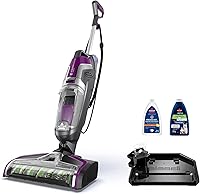
If you want both floor debris pickup and steam cleaning, the Bissell PowerFresh Vac & Steam combines those functions. If your everyday messes call for vacuum pickup plus spray mopping, a best vacuum mop combo may fit better.

 Best for quick sealed-floor cleaning
Shark VACMOP Cordless Vacuum & Spray Mop
Steam mop vs wet dry vacuum: which should you choose?
Choose steam for sealed hard-floor care and a wet dry vacuum for mixed spills, debris and general cleanup. They are built around different cleaning actions, so one does not replace the other for every job.
A steam mop heats water and applies steam through a floor pad. A wet dry vacuum uses suction to collect liquid spills or dry material into its tank.
The word “wet” can be confusing. A wet dry vacuum can pick up liquids, but it does not necessarily wash a floor or leave it clean in the way a mop does.
What does a wet and dry vacuum cleaner do?
A wet dry vacuum cleaner is designed to pick up both liquid messes and dry debris. For more detail on that tool type, see what a wet and dry vacuum cleaner is.
The Stanley SL18116P has a 6-gallon tank, wet and dry pickup, a blower port and over 16 ft of cleaning reach. It includes a floor nozzle and 3 extension wands, which can help with larger cleanup areas.
A smaller option is the CRAFTSMAN CMXEVBE17250. Its 2.5-gallon tank, 5 ft hose and carry handle suit compact jobs around the home, garage or vehicle.
What does steam treatment add?
Steam treatment adds heat and moisture through a mop pad. It can suit sealed floors when the floor maker allows steam, but it does not collect a puddle or handle loose debris like a wet dry vacuum.
The Bissell PowerFresh Vac & Steam offers vacuum-only, steam-only and combined modes. Bissell says its steam helps sanitize floors and eliminate 99.9% of germs and bacteria; results may vary, and the unit is intended for sealed hard floors.
Which tool handles spills and loose debris?
A wet dry vacuum handles liquid spills and loose debris directly; a steam mop is for floor treatment after the floor is ready for it. Pick up larger or standing liquid with a wet pickup vacuum rather than pushing it around with a pad.
The Stanley is suited to broad cleanup because it handles wet spills and dry debris, and its blower port can direct air for tasks such as moving leaves. Its over 16 ft reach includes the hose, power cord and extension wands.
The CRAFTSMAN is a more compact choice for smaller jobs. Its 1-1/4 in accessories include a crevice tool and utility nozzle, useful for tighter cleanup areas.
A steam mop pad can collect some residue as it moves over a floor, but that is different from extracting a spill into a tank. Check the floor and appliance instructions before tackling a wet mess.
For a dedicated explanation of common jobs, see what a wet dry vacuum is used for. If your mess is mainly on sealed floors, a vacuum mop may combine debris pickup with mopping instead.
The Shark VACMOP uses suction to capture dry debris in a disposable pad's dirt chamber, then sprays cleaning solution for stuck-on messes. It is designed for sealed hard floors, including hardwood, laminate, tile, stone, marble and vinyl.
Which is better for sealed hard floors?
A steam mop is the more direct choice for steam cleaning a suitable sealed floor; a wet dry vacuum is more useful for removing debris and liquid. Confirm that your floor finish allows the cleaning method before use.
The Bissell PowerFresh Vac & Steam is described for sealed hard floors including hardwood, tile, ceramic, linoleum, marble and granite. It can vacuum and steam at once, or switch to either mode by itself.
The Shark VACMOP is another hard-floor option, but it uses spray cleaning solution and disposable pads rather than steam. That makes it a different kind of floor tool, even though it also picks up debris.
For wood floors, follow the flooring maker's care guidance. A sealed finish does not automatically mean every floor is suitable for steam, and standing water is not a good substitute for controlled damp cleaning.
If your main priority is a vacuum and mop in one appliance, compare vacuum mop combos for hardwood floors. For a brand-focused shortlist, see best Tineco vacuum mop combos.
What about wet dry vacuum mop and steam mop combos?
A combo can reduce separate steps, but check which functions it actually combines. Some machines vacuum and steam, while others vacuum debris and use a spray mop pad.
The Bissell PowerFresh Vac & Steam combines vacuuming and steam cleaning. It uses microfiber pads and lets you select vacuum, steam or both, so it directly bridges parts of the steam mop and vacuum routine.
The Shark VACMOP combines suction based debris pickup with spray mopping. It does not produce steam, and its disposable pads need replacing after use.
Self-cleaning is another feature found in some vacuum mop combos, but it is separate from steam treatment. If you want that feature, compare self-cleaning vacuum mop combos.
A wet dry shop vacuum is different from both. It can collect liquid and dry material in a tank, but the Stanley and CRAFTSMAN models here do not describe a floor-washing or steam function.
How should you choose by room and mess?
Choose around the mess you clean most often, then check storage and reach. A large tank is useful for broader cleanup, while a compact floor tool may be easier to bring out for a quick kitchen pass.
For a garage, basement, vehicle or workshop, a wet dry vacuum handles more varied debris than a steam mop. The Stanley's 6-gallon capacity suits larger jobs, while the CRAFTSMAN's 2.5-gallon size is aimed at small messes.
For daily crumbs and light sticky messes on sealed floors, the Shark VACMOP combines cordless pickup and spray mopping. For steam treatment on appropriate sealed floors, the Bissell provides a dedicated steam function plus vacuum pickup.
Think about storage before you choose. A shop vacuum with a tank, hose and attachments needs a different storage spot than a slim floor mop, and accessories are only useful if they stay easy to reach.
If hand mopping is your preference, the comparison between O-Cedar EasyWring and RinseClean can help you weigh two spin mop styles.
Which choice is easier to maintain?
A wet dry vacuum needs attention to its tank and filters, while a steam or spray mop needs care for its pad and water or solution system. Follow the manual for cleanup after each use.
The Stanley includes a foam filter, reusable dry filter and dust bag. Set it up for the type of pickup you are doing, then empty and clean it as directed.
The CRAFTSMAN includes a filter bag and is compatible with its specified replacement filter bag. Its smaller tank may be easier to carry and store, but it also means less volume for a large cleanup.
The Bissell includes soft and scrubby microfiber pads. Wash or replace pads according to its instructions, and do not leave a damp pad on a floor after cleaning.
The Shark uses disposable pads and cleaning solution designed for the cleaner. Its no-touch disposal button lets you discard the used pad without handling the mess.
Is a steam mop or wet dry vacuum safer for your floor?
The safest choice is the method your flooring instructions allow. Check the floor maker's guidance and the appliance manual before using steam, water or a cleaning solution.
Steam and excess moisture can affect some floors or finishes. Avoid assuming that a floor is suitable because it looks sealed, and don't use a product outside its stated floor types.
A wet dry vacuum can collect liquid, but that does not mean you should soak a floor first. Use only the amount of moisture the floor maker permits, and dry spills promptly.
The Bissell and Shark are described for sealed hard floors, with different cleaning methods. That guidance does not replace instructions for your exact flooring or finish.
What is the final choice between steam cleaning and suction?
Pick a steam mop for steam treatment on suitable sealed floors, a wet dry vacuum for mixed liquid and dry messes, and a vacuum mop when you want routine floor pickup plus mopping. The right tool follows the work you need done most.
Choose the Stanley for larger wet and dry cleanup, or the CRAFTSMAN for smaller portable jobs. Choose the Bissell when vacuuming and steam cleaning together matters, and the Shark when cordless suction and spray mopping fit your sealed floors.
If you want a floor-focused combo, compare the best vacuum mop combo self cleaning options and check that the product's cleaning method matches your floor care needs. Our score weighs specs, features and buyer feedback against what you're shopping for.
Frequently asked questions
Is a steam mop better than a wet dry vacuum?
A steam mop is better when your main job is steam cleaning sealed hard floors. A wet dry vacuum is better for picking up liquid spills and dry debris, including messes in a garage or workshop.
They handle different tasks, so choose based on the mess and surface you clean most.
Can a wet dry vacuum replace a steam mop?
A wet dry vacuum can pick up wet spills and dry debris, but it does not provide steam treatment. If you want steam for sealed hard floors, choose a steam mop or a vacuum-and-steam model.
Check your flooring guidance before using steam.
Can you use a steam mop on hardwood floors?
Use steam only if your flooring maker says it is suitable for your exact floor and finish. The Bissell PowerFresh Vac & Steam is described for sealed hard floors, including hardwood, but that does not cover every wood floor or finish.
Follow both manuals.
Does a wet dry vacuum mop floors?
A wet dry vacuum can collect liquid and dry debris, but that alone is not the same as washing a floor with a mop. For a combined floor-cleaning step, consider a vacuum mop combo or a vacuum-and-steam unit designed for sealed hard floors.
Which is easier for everyday hard-floor messes?
For dry crumbs and light wet messes on sealed hard floors, a vacuum mop can combine debris pickup with mopping. The Shark VACMOP uses a disposable pad and on-demand spray, while a steam mop focuses on steam treatment and a shop vacuum handles broader wet or dry cleanup.