
Is 600 Watts Good For A Vacuum Cleaner?
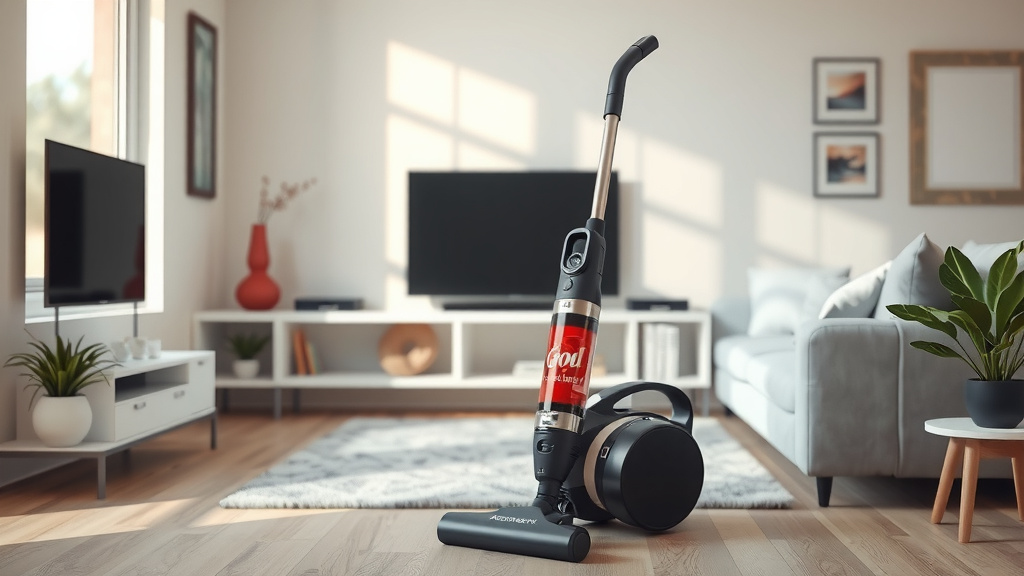
A 600-watt vacuum cleaner is often good for light to moderate cleaning, especially on hard floors and for small apartments. It might not offer the robust suction needed for deep pile carpets or heavy pet hair, suggesting you consider your specific cleaning tasks.
Generally, a 600-watt vacuum provides enough power for routine dust and debris, being a decent choice if you prioritize energy efficiency and a quieter operation. Your cleaning needs and home type are key when deciding if this wattage works for you.
TL;DR: Is 600 Watts Enough for My Vacuum?
- 600 watts is generally fine for hard floors and light carpets.
- It saves energy and is often quieter than more powerful models.
- Pet hair and deep carpets might need more suction power.
- Consider your home size and cleaning frequency when choosing.
- Modern vacuum design can make 600 watts surprisingly effective.
Is 600 Watts Good For A Vacuum Cleaner?
For most households, a 600-watt vacuum cleaner can be a surprisingly effective tool. You might think higher watts automatically mean better cleaning, but that’s not always the complete picture.
We often find that how a vacuum is designed, including its airflow and brushroll efficiency, plays a big part in its actual cleaning performance, not just the motor wattage (Consumer Reports).
Understanding Vacuum Power: Beyond the Watts
When you see “watts” on a vacuum, it usually tells you how much electricity the motor consumes. It doesn’t directly measure how strong the suction is at the nozzle, which is what truly picks up dirt.
Think of it like a car engine. A bigger engine (more watts) doesn’t always mean a faster or more efficient car. The car’s overall engineering matters just as much for performance.
The Relationship Between Watts and Suction
While more watts can mean a more powerful motor, a smart vacuum design can direct that power very effectively. Airflow and sealed suction are often better indicators of cleaning prowess than just wattage alone.
Some smaller, energy-efficient models with 600 watts can outshine poorly designed higher-wattage vacuums in real-world tests, we have observed.
When 600 Watts Shines: Ideal Scenarios
A 600-watt vacuum can be a fantastic choice for many situations. Are you living in a smaller space, or do you mostly have hard floors?
These lower-wattage models are typically lighter, quieter, and use less electricity. They are also often more compact, making storage easier.
Perfect for Hard Floors and Low-Pile Rugs
If your home features mostly hardwood, laminate, tile, or linoleum, a 600-watt vacuum is usually more than enough. It can easily pick up dust, crumbs, and everyday debris without issue.
For low-pile area rugs, these vacuums can also perform very well, especially if they have a good brushroll or floorhead design to agitate the fibers.
Great for Smaller Homes and Apartments
Do you live in a cozy apartment or a smaller house? A 600-watt vacuum is often perfect. You don’t need excessive power for smaller areas, and the lighter weight makes it easy to maneuver through tighter spaces.
Their portability means less effort when moving from room to room or carrying them up and down stairs. This can be a real back-saver for you.
Energy Efficiency and Quieter Operation
A big plus for 600-watt vacuums is their energy savings. You’ll likely see a smaller dent in your electricity bill compared to a 1200-watt model. Plus, they tend to operate much more quietly.
No one enjoys a noisy vacuum, right? A quieter machine means you can clean without disturbing others or shouting over the motor noise.
When 600 Watts Might Fall Short
While 600 watts is good for many, it’s not a universal solution. Some cleaning tasks truly demand more robust power and suction.
It’s important to be realistic about your specific cleaning challenges before making a purchase. Do you have certain deep cleaning needs?
Deep Pile Carpets and Pet Hair Challenges
If your home has thick, high-pile carpets or you battle daily with heavy pet hair, a 600-watt vacuum might struggle. These situations require strong suction and often a powerful brushroll to really dig out embedded dirt and hair.
Many experts agree that for deep cleaning carpets or managing significant pet dander, a vacuum with higher wattage or specialized features becomes more necessary (Good Housekeeping Institute).
Larger Homes and Infrequent Cleaning
For larger homes with extensive carpeted areas, cleaning with a 600-watt vacuum could take longer and feel less effective. If you clean less often, the accumulated dirt and dust might also overwhelm a lower-wattage machine.
A more powerful vacuum can often tackle bigger jobs faster, saving you time and effort in the long run.
Factors to Consider Beyond Wattage
Choosing a vacuum is like selecting a tool for a job; the right tool isn’t always the biggest. Beyond watts, several other features truly define a vacuum’s effectiveness.
Let’s look at what else you should keep in mind to find your perfect cleaning partner.
Suction Power (Air Watts)
Instead of just motor watts, look for “air watts” if a manufacturer provides this spec. Air watts measure the actual power at the nozzle – the combined effectiveness of airflow and suction (Vacuum Cleaner Manufacturers Association).
This is a more accurate gauge of how well a vacuum will pick up dirt from your floors. More air watts usually mean better cleaning power.
Brushroll and Floorhead Design
A good brushroll, especially one that can be turned on or off, is super important. For carpets, it agitates fibers to lift dirt. For hard floors, you’d want it off to avoid scratching.
The design of the floorhead, how well it seals to the floor, and its maneuverability, all greatly impact how efficiently dirt is collected.
Filtration System (HEPA)
Do you or your family members suffer from allergies? A sealed filtration system, especially one with a HEPA filter, is a game-changer. It traps tiny dust particles and allergens, preventing them from recirculating into the air.
This feature makes a huge difference to indoor air quality, regardless of the vacuum’s wattage.
Capacity and Convenience Features
Consider the dust bin capacity. A larger bin means less frequent emptying, which is a big convenience for you. Think about attachments too – a crevice tool, dusting brush, or upholstery tool can make your cleaning tasks much easier.
Cord length, weight, and overall maneuverability also play a role in your cleaning experience. We found that convenience often dictates how much you actually use your vacuum.
Is a 600-Watt Vacuum Right for You? A Quick Checklist
To help you decide, here’s a simple checklist:
- Do you mostly have hard floors or low-pile carpets?
- Is your home or apartment on the smaller side?
- Do you clean regularly, preventing heavy dirt build-up?
- Are energy efficiency and quiet operation important to you?
- Do you prefer a lightweight and easy-to-store vacuum?
- Are you looking for a budget-friendly option?
Comparing Wattages: 600W vs. Higher Power
Let’s put 600 watts into perspective with a quick comparison to higher wattage models. This can help you weigh the trade-offs based on your household needs.
Remember, this is a general guide, and specific models will vary widely in their actual performance.
| Feature | 600 Watt Vacuum | 1000W+ Vacuum |
|---|---|---|
| Best For | Hard floors, small homes, light dirt | Deep carpets, pet hair, large homes |
| Suction Power | Adequate for most daily tasks | Strong, can handle embedded dirt |
| Noise Level | Generally quieter | Can be louder |
| Energy Use | More energy efficient | Uses more electricity |
| Weight | Often lighter and easier to maneuver | Can be heavier and bulkier |
| Cost | Often more budget-friendly | Generally a higher upfront cost |
Conclusion
So, is 600 watts good for a vacuum cleaner? The answer really depends on your unique needs. For many of us, especially those with smaller living spaces, hard floors, or a desire for energy efficiency and quiet cleaning, a 600-watt vacuum can be an excellent, practical choice.
Don’t get caught up in the “more watts is always better” trap. Instead, focus on the overall design, suction power (air watts!), and specific features that align with your home and lifestyle. Choose wisely, and your 600-watt friend could become your cleaning champion!
Frequently Asked Questions About Vacuum Wattage
Does higher wattage always mean better suction?
No, not always. While higher wattage can indicate a stronger motor, a vacuum’s actual suction power is also determined by its design, airflow efficiency, and nozzle seal. Some 600-watt vacuums with good engineering can outperform higher-wattage models.
What is a good wattage for a vacuum cleaner for pet hair?
For pet hair, especially on carpets, you generally want a vacuum with at least 1000 watts or higher, combined with a powerful brushroll. Stronger suction helps lift embedded fur from fibers, which lower wattage machines might struggle with.
Are 600-watt vacuums good for allergy sufferers?
A 600-watt vacuum can be good for allergy sufferers if it features a sealed system and a HEPA filter. The wattage itself is less important than the filtration system’s ability to trap fine dust and allergens effectively within the vacuum.
What are air watts, and why are they important?
Air watts measure the power a vacuum produces at the cleaning head, combining airflow and suction. This is a more accurate indicator of a vacuum’s cleaning performance than motor wattage alone, showing how efficiently the motor’s power is converted into dirt-lifting force.
Can I use a 600-watt vacuum for occasional deep cleaning?
You can use a 600-watt vacuum for occasional deep cleaning on hard floors or light carpets. However, for genuinely deep-seated dirt in thick carpets, it might require more passes and effort. For truly thorough deep cleaning, a more powerful machine with specialized attachments is often better.
