
What Determines The Suction Power Of A Vacuum Cleaner?
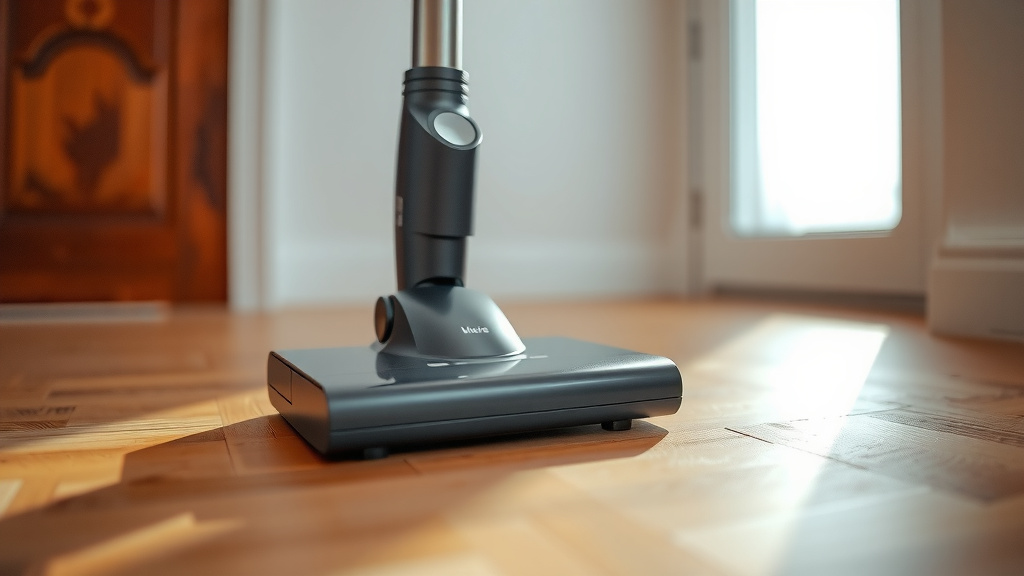
The suction power of a vacuum cleaner is a complex interplay of several factors, primarily involving the motor’s power, airflow efficiency, and the sealed suction the machine can generate.
Understanding what determines the suction power of a vacuum cleaner means looking beyond just wattage, considering how well the vacuum moves air and creates a strong seal with cleaning surfaces.
Here’s a quick look at the core factors affecting vacuum suction:
- Motor Power (Watts): This indicates how much electricity the motor uses. More watts can mean more potential, but it’s not the only story.
- Airflow (CFM): This measures how much air moves through the vacuum per minute. It’s vital for picking up light debris.
- Sealed Suction (Water Lift): This tells you how much weight the vacuum can lift. It’s key for deep cleaning and heavy dirt.
- Design and Filtration: The quality of the vacuum’s seals, filters, nozzle, and brush roll all affect how that power translates to cleaning.
What Determines The Suction Power Of A Vacuum Cleaner?
The suction power of a vacuum cleaner is determined by a combination of its motor strength, the volume of air it can move (airflow), and the intensity of the vacuum it creates against a surface (sealed suction).
It’s a delicate balance; a powerful motor is just the beginning, as the vacuum’s design then translates that raw power into actual cleaning ability.
Is Higher Wattage Always Better? Motor Power Explained
Many people assume a higher wattage motor means a more powerful vacuum. It’s a common thought, right?
While motor wattage does reflect the electrical power consumption, it doesn’t directly equal superior cleaning. Think of it like a car engine’s horsepower; it’s important, but transmission and tires also matter (Consumer Reports).
A higher wattage motor creates more potential energy for the fan (impeller) inside the vacuum. This fan is what actually moves the air.
The Role of Amps vs. Watts
Sometimes you see amps listed instead of watts. Amps measure the current drawn by the motor, while watts are amps multiplied by voltage. They both indicate the motor’s electrical strength.
However, a vacuum with high amps or watts can still have poor suction if its design is inefficient. The motor is just one piece of the puzzle.
Airflow: The Unsung Hero (CFM)
If watts are the muscle, then airflow is the breath of your vacuum. Airflow is measured in Cubic Feet per Minute (CFM).
This metric tells you how much air the vacuum can move in sixty seconds. We found that high CFM is incredibly important for picking up light debris, pet hair, and surface dirt effectively.
Why CFM is Crucial for Debris Pickup
Imagine trying to sweep dust with a weak breeze. Not effective, is it?
A vacuum with excellent CFM acts like a powerful wind, scooping up particles and carrying them into the dirt bin. Many experts say a higher CFM rating means better performance on bare floors and for lighter messes (Good Housekeeping Institute).
Sealed Suction: Lifting Power (Water Lift/Inches of Water)
While CFM handles the surface dust, what about that stubborn dirt deep in your carpet fibers? That’s where sealed suction comes in.
This is often measured in “inches of water” or “water lift.” It indicates the maximum static pressure the vacuum can generate when the hose is completely sealed off.
We found that sealed suction is critical for deep cleaning carpets, lifting heavy particles, and extracting embedded dirt. It’s the strength that pulls dirt out of tight spots.
The Vacuum Cleaner’s Design Matters
Even with great motor power, CFM, and sealed suction, a poorly designed vacuum can fall short. The physical components play a huge role.
Think of a race car: a powerful engine is good, but the aerodynamics and suspension make it perform. Your vacuum is no different.
Nozzle and Brush Roll Impact
The design of the nozzle is surprisingly important. A wide, well-sealed nozzle can create better suction at the cleaning head.
For carpets, a strong, rotating brush roll (agitator) helps by vibrating and loosening dirt before the suction lifts it. Without it, even a powerful vacuum might just skim over deeply embedded particles.
Filters and Airflow Restriction
Filters are essential for trapping dust and allergens, but they can also restrict airflow.
A clogged filter is like trying to breathe through a stuffed nose; it drastically reduces the vacuum’s efficiency. Many experts advise regular filter cleaning or replacement to maintain optimal suction power.
The Importance of a Good Seal
Any leaks in the hose, connections, or around the dirt bin can severely reduce suction. It’s like trying to drink through a straw with a hole in it.
A vacuum with tight seals and connections ensures that all the generated suction is directed to the cleaning head, maximizing effectiveness. Look for well-built components that fit snugly together.
Bagged vs. Bagless Systems
Does the collection method affect suction? Yes, it can.
Bagged vacuums, when the bag is getting full, can experience a gradual drop in airflow as dirt clogs the bag’s pores. However, the bag acts as a filter itself, often providing good overall filtration.
Bagless vacuums rely on cyclonic separation and filters. Their suction often remains strong until the bin is very full or filters get clogged. You just need to empty them frequently.
How Maintenance Affects Suction
Even the best vacuum will lose power without proper care. It’s a simple truth, but often overlooked.
Regular maintenance is key to preserving your vacuum’s peak performance. Don’t let a simple oversight diminish your cleaning power.
Here’s a quick checklist to keep your vacuum powerful:
- Empty the dirt bin or replace the bag frequently.
- Clean or replace filters as recommended by the manufacturer.
- Check the hose and attachments for blockages.
- Clear any tangles from the brush roll.
- Inspect seals and connections for cracks or gaps.
Understanding Vacuum Metrics: A Comparison
To help you see how these factors relate, here’s a simplified table. Remember, no single metric tells the whole story, but together they paint a clearer picture of a vacuum’s potential.
| Metric | What It Measures | Impact on Suction |
|---|---|---|
| Watts | Motor’s electrical power consumption | Potential for power; higher can mean stronger fan operation. |
| CFM (Cubic Feet per Minute) | Volume of air moved through the vacuum | Key for picking up light debris, pet hair, and surface dirt. |
| Water Lift (Inches of Water) | Maximum static pressure generated (sealed suction) | Crucial for deep cleaning carpets, lifting heavy, embedded dirt. |
Conclusion
Ultimately, the suction power of a vacuum cleaner isn’t about one magic number. It’s about a symphony of components working together: a strong motor, efficient airflow, powerful sealed suction, and smart design choices.
When you’re choosing a vacuum, or wondering why yours isn’t performing, consider all these elements. Paying attention to these details will help you find a cleaner that truly gets the job done, keeping your home spotless.
What is the most important factor for vacuum suction?
The most important factors are a balance of airflow (CFM) and sealed suction (water lift). While motor wattage provides the raw power, it’s how efficiently the vacuum uses that power to move air and create a strong seal that truly determines its effective cleaning ability for various messes.
Does the type of floor affect how much suction a vacuum needs?
Yes, absolutely. Hard floors often benefit more from high airflow (CFM) for picking up light debris. Carpets, especially thick ones, require higher sealed suction (water lift) to extract embedded dirt from deep within the fibers, along with an effective brush roll.
Can a dirty filter really reduce a vacuum’s suction power?
Yes, a dirty or clogged filter is one of the most common reasons for a significant drop in a vacuum’s suction. The filter is designed to trap dust, but when it’s overloaded, it severely restricts the airflow, making the motor work harder and reducing its ability to pick up dirt.
Is it better to have a bagged or bagless vacuum for consistent suction?
Both bagged and bagless vacuums can offer consistent suction with proper maintenance. Bagged vacuums might see a gradual decrease as the bag fills. Bagless vacuums often maintain strong suction until the bin is very full or filters clog, which requires frequent emptying and filter cleaning.
How can I test my vacuum’s suction power at home?
A simple home test involves placing your hand over the end of the hose to feel the pull, or trying to pick up a small, relatively heavy item like a coin. For a more practical test, observe how well it picks up different types of debris (e.g., pet hair, cereal crumbs) from various surfaces in your home. This gives you a real-world understanding of its performance.
