How to Use a Flat Mop System
To use a flat mop system, attach a clean pad, dampen it in the wash side, wring it in the dry side, and push it flat across the floor. Rinse and wring often, swap pads when dirty, and machine wash pads after use.
On this page (11 sections)
- What do you need before you start mopping?
- How do you attach a flat mop pad correctly?
- How do you rinse and wring a flat mop pad?
- What is the best flat mop technique for hard floors?
- How often should you change the water and the pad?
- Which flat mop system suits different homes?
- How do you clean walls, baseboards, and ceilings with a flat mop?
- How do you care for microfiber pads and the bucket?
- What mistakes make flat mopping less effective?
- What should you know about air quality and home value claims?
- How do you pick the right setup for your next clean?
To use a flat mop system, attach a clean pad, dampen it in the wash side, wring it in the dry side, and push it flat across the floor. Rinsing and wringing often keeps the cleaning water effective and stops grit from scratching hard floors.
This guide covers setup to storage. You'll learn pad attachment, rinsing, wringing, and a simple technique for corners and under furniture without soaking the floor.
What do you need before you start mopping?
You need a flat mop, clean microfiber pads, a bucket or wringer, water, and a broom or vacuum for loose dirt. Sweep first, because grit trapped under a pad can scratch sealed floors.
Fill the bucket with warm water. Plain water works for routine cleaning, and microfiber lifts dirt well with water alone.
Set out extra pads nearby. A clean pad swap takes seconds and beats scrubbing with a dirty one.
If you are choosing a system for the first time, our guide to mops explains the main types and where each one fits.
How do you attach a flat mop pad correctly?
Attach the pad flat and centered, with the tabs or fasteners fully engaged. A crooked pad will drag, leave streaks, and miss edges.
For a JOYMOOP-style head, align the tabs with the slots, slide the pad in, then press firmly to secure it flat. Check that both sides sit level before you get the pad wet.
For hook-and-loop pads, press across the whole surface so the pad does not fold at the corners. Smooth it with your hand and tug gently to confirm it holds.
Make sure the handle is assembled and tight. Slide the mop rod into the mop head, then screw on the remaining rods and handle firmly.
How do you rinse and wring a flat mop pad?
Rinse and wring until the pad is damp and the water runs clearer. This two-step rhythm is the core of any flat mop routine.
Dip the mop head into the wash side and move it up and down several times. The built-in squeegee or scraper helps pull hair and grit from the fibers.
Move the mop to the dry side and squeeze it through the wringer. Fewer pulls leave the pad wetter, and more pulls leave it drier.
Aim for damp for sealed hardwood and laminate.
Rinse again in clean water when the wash water looks cloudy. Dirty water puts dirt back on the floor.
The JOYMOOP Flat Mop System uses wet and dry separation for this rinse and squeeze routine.
What is the best flat mop technique for hard floors?
Use long, overlapping passes with light pressure and the pad kept flat. Let the microfiber do the work instead of pressing hard.
Start along baseboards and work toward the center of the room. Push the mop forward, pull it back, then overlap the next stroke by about half the pad width.
Use the slim head to reach under furniture and into corners. Flat heads fit where round heads struggle, and the 360-degree swivel helps you steer without twisting your wrist.
Avoid soaking wood or laminate. If you see standing water, wring the pad more and blot the spot dry.
How do you mop in straight lines without streaks?
Mop in straight, overlapping lines and wring more often than you think you need to. Streaks usually come from a pad that is too wet or too dirty.
Work in sections about the size of a rug or a doorway. Finish one section, rinse, wring, then start the next one.
Change direction on the final pass if a floor shows lines. A light cross pass can even out the finish on tile and vinyl.
How often should you change the water and the pad?
Change the water when it turns cloudy and swap the pad when it looks dirty. In a large open area, that can mean every few minutes.
A dirty pad spreads grit and leaves a dull film. A clean pad picks up more dirt and needs less water to work well.
Keep a spare pad nearby so the swap is quick. If you assign one pad per room, you also avoid carrying dirt from a bathroom to a kitchen.
Machine wash pads after use and air-dry them fully. The JOYMOOP pads are machine washable, and the maker recommends changing pads every 1 to 2 months to maintain performance.
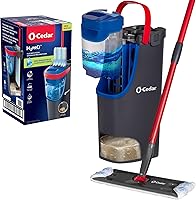
For spin mop users who prefer a different wringing method, the O-Cedar RinseClean Spin Mop & Bucket System keeps clean and dirty water in separate tanks.
Which flat mop system suits different homes?
Choose based on floor type, room size, and how often you mop. A small apartment with tile needs less bucket capacity than a large home with pets and kids.
Look at the best flat mop and bucket options if you want a dedicated flat head and wringer bucket. Those systems focus on quick damp mopping and easy pad swaps.
Consider a best flat mop with extension pole if tall users in your home struggle with reach or you clean walls and ceilings. A longer, adjustable handle reduces bending.
The O-Cedar EasyWring Microfiber Spin Mop & Bucket comes with 2 extra refills, which helps busy homes rotate pads without stopping to wash mid-clean.
If you already own a flat mop and only need pads, our guide to best flat mop head replacement helps you check size and fastener type before you order.
How do you clean walls, baseboards, and ceilings with a flat mop?
Use a clean, barely damp pad and light pressure for uppers and edges. Flat mops work well beyond floors because the head stays flat against the surface.
Start with dry dusting for ceilings and high corners. A dry microfiber pad grabs dust and cobwebs without dripping water onto furniture.
For baseboards, dampen the pad, wring it well, and wipe in short strokes. Rinse often, because baseboard grime turns water gray fast.
For walls, test a small hidden spot first. Use plain water where possible and stop if paint feels soft or the finish looks dull.
The JOYMOOP head is made for floors, walls, baseboards, ceilings, and windows, so one tool covers daily dusting and damp wiping.
How do you care for microfiber pads and the bucket?
Care for pads by machine washing them regularly and drying them fully before storage. This keeps fibers open and ready to absorb water.
Wash pads with similar colors and skip fabric softener, because residue can coat fibers and reduce absorbency. Shake pads out after washing to fluff the strands.
Replace pads when they stay dirty, smell, or stop absorbing well. The JOYMOOP guidance of 1 to 2 months and the O-Cedar guidance of about 3 months both point to the same rule: swap when performance drops.
Rinse the bucket after use and let it air-dry. Storing a wet bucket invites odor.
Store the mop with the pad off or loosely attached, away from direct heat. A hanging loop or hole, where present, keeps the head off the floor.
What mistakes make flat mopping less effective?
The most common mistake is using a pad that is too wet or too dirty. Both cause streaks and leave floors dull.
Soaking hardwood or laminate is another frequent error. Water can seep into seams and damage the finish over time.
Wring to damp and dry spills as you go.
Skipping the sweep is also costly. Grit under a pad can scratch the floor, and the pad loads up with dirt faster.
Using too much cleaner is a hidden problem. Extra soap leaves a film that attracts dirt.
A small amount goes a long way with microfiber.
For a deeper look at one style of system, our o cedar h2pro flat mop system reviews compare features and setup details for that type of mop.
What should you know about air quality and home value claims?
Flat mopping can reduce dust on hard floors, but it is not an air purifier. If allergies drive your cleaning choices, our explainer on What Is a Sealed HEPA System? covers how sealed filtration differs from surface cleaning.
Similarly, mopping improves how a home looks and feels, but it does not change structural value. Our piece on Do Central Vacuum Systems Add Home Value? looks at what upgrades buyers actually notice.
Keeping those claims separate helps you buy the right tool for the right job.
How do you pick the right setup for your next clean?
Pick a flat mop with a wringer bucket for daily damp mopping, and add spare pads for every room you clean. That setup covers most hard-floor homes.
Choose JOYMOOP if you want a true flat head with wet and dry separation in the bucket. Choose a spin system like the O-Cedar RinseClean if separate clean and dirty tanks matter more to you.
Choose the O-Cedar EasyWring set if extra refills and hands-free wringing fit your routine. Its telescopic handle adjusts up to 51 inches, which helps taller users mop without bending as much.
Whichever system you pick, the routine stays the same: sweep first, attach the pad flat, rinse, wring to damp, mop in overlapping passes, and swap pads when dirty.
Frequently asked questions
How wet should a flat mop pad be?
Damp, not dripping. Squeeze out enough water that the pad leaves a thin, even film and the floor dries in a couple of minutes.
If you see puddles or footprints, wring it once more.
A drier pad also picks up dust and hair better on sealed floors.
How often should I rinse a flat mop pad?
Rinse every few passes in a large room, and right away after a spill or visible dirt. Rinsing lifts grit before it scratches.
If the wash water turns cloudy, change it and swap to a clean pad so you are not pushing old dirt around.
Can I use a flat mop on hardwood?
Yes, on sealed hardwood, laminate, tile, and vinyl, as long as the pad is only damp. Avoid soaking wood or laminate seams.
Use plain water or a small amount of a cleaner made for that floor type, and dry any wet spots promptly.
When should I replace a flat mop pad?
Replace a pad when it stays dirty after washing, smells, or loses absorbency. Machine wash pads regularly and let them dry fully.
Extra pads let you finish one room while another pad is in the wash, so you always have a clean one ready.