
How To Make A Vacuum Cleaner Without Motor?
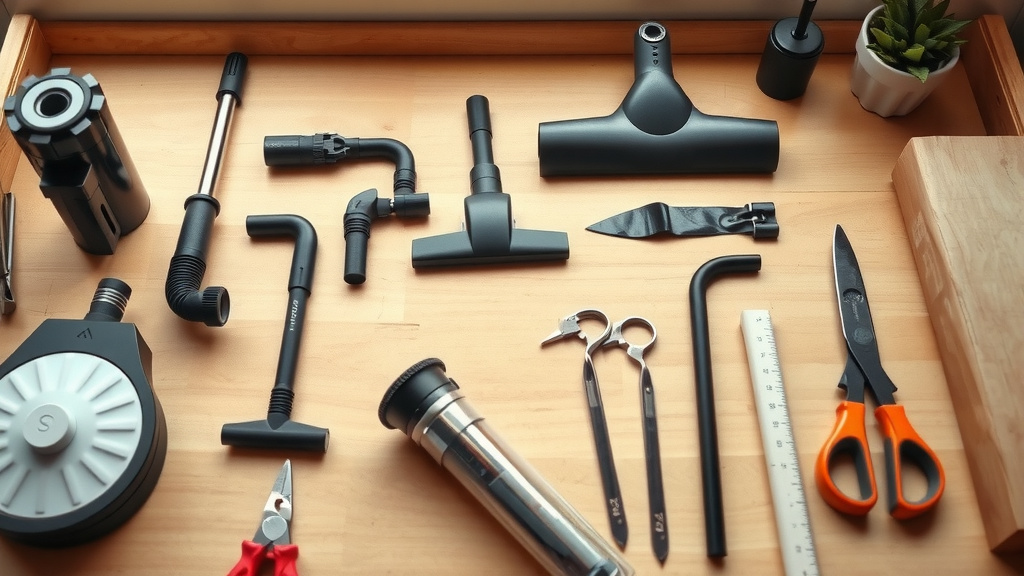
Making a true, high-suction vacuum cleaner without a motor is not possible, as motors are vital for generating the powerful airflow needed for deep cleaning. However, you can certainly create effective tools and use clever, motor-free techniques to clean various spills and dust around your home.
- You cannot build a traditional vacuum cleaner without a motor to create suction.
- Instead, focus on DIY tools and manual methods for effective cleaning.
- These alternatives include brooms, static dusters, water traps, and simple manual suction.
- They are great for quick cleanups, small messes, or when electricity is unavailable.
- Expect less power than an electric vacuum, but still clean results.
How To Make A Vacuum Cleaner Without Motor?
While you cannot create a traditional vacuum cleaner’s powerful suction without a motor, you can certainly craft effective tools and employ ingenious methods to clean your space without electricity. We will guide you through practical, motor-free cleaning solutions.
Why Consider a Motor-Free Approach?
Sometimes, a motor-driven vacuum just isn’t an option. Perhaps you need a silent cleaning solution, are facing a power outage, or simply want to reduce your energy use. Motor-free methods offer flexibility and simplicity.
You might be surprised by how effective these low-tech solutions can be for specific tasks. They offer a quick fix for everyday messes without the noise or power cord hassles.
The Simplest Method: Your Trusty Broom and Dustpan
This classic duo is perhaps the original motor-free “vacuum cleaner.” A good quality broom and dustpan are indispensable for dry debris on hard floors. You guide debris directly into the pan.
For fine dust, a broom with soft, dense bristles works best. Many cleaning guides highlight this combination as a fundamental cleaning tool (Home Cleaning Institute).
Choosing the Right Tools
Look for a broom with angled bristles to reach into corners. A dustpan with a rubber lip creates a tight seal against the floor, preventing dust lines. You want to make every sweep count for efficient cleaning.
Consider a small hand brush and dustpan for tiny spills. These are perfect for tabletops or small kitchen mishaps.
Harnessing Static Electricity for Dust
Did you know static electricity can attract dust? This principle helps create a motor-free dust collector. It’s a fun and surprisingly effective method for light, dry dust.
You can use simple household items to generate a static charge. This trick is great for picking up pet hair and fine particles from surfaces.
DIY Static Dust Collector
Try rubbing an inflated balloon vigorously on your hair or a wool blanket. Then, slowly pass the charged balloon over dusty surfaces. The static charge will attract dust particles to its surface.
Another option is to use a clean, dry plastic bag. Rub it against a fabric surface and then gently dab it onto dusty areas. We found this method particularly useful for delicate surfaces (DIY Cleaning Guides).
The Water Trap Method: A Wet-Vac Alternative
For wet messes or larger debris that benefits from moisture, a water trap can be an option. While not a “vacuum,” it helps in containing and removing specific types of dirt. You can create a basic system.
This method focuses on physically trapping dirt rather than suctioning it. It’s a clever way to handle spills without needing any power. Many experts suggest a wet approach for certain stubborn debris (Professional Cleaning Services).
Building a Basic Water Filter
You can use a bucket of water and a sturdy funnel. Guide larger debris or wet material into the funnel, allowing it to drop into the water. This prevents dust from becoming airborne.
For fine particles, a damp cloth or sponge is your best friend. Wiping surfaces with moisture effectively picks up dust, preventing it from recirculating. Always use a clean, slightly damp cloth for the best results.
Air Pump Principles: A Hand-Powered Suction
Replicating true vacuum suction without a motor is very difficult, but you can create very localized, temporary suction. Think of a bulb syringe or a simple hand pump. This isn’t for floors, but for small, targeted cleanups.
You squeeze a bulb, expel air, and then release, causing a momentary, weak vacuum. This method is surprisingly good for picking up small, lightweight items in tight spaces. We found this useful for keyboard crumbs.
Creating a Manual Suction Device
Find a small rubber bulb, like one from a turkey baster or an ear syringe (ensure it’s clean!). Squeeze the bulb to push air out, then place the tip near the debris. Releasing the bulb creates a small amount of suction, drawing in light particles.
This is ideal for reaching into small crevices. It’s not for large areas, but for those pesky crumbs and dust bunnies in hard-to-reach spots, it works a treat. You might even find a clean, empty plastic bottle could work with a similar squeeze-and-release action.
When Are These Methods Best?
Motor-free cleaning shines in specific situations. They are perfect for small, isolated spills or when you need a quick, quiet cleanup. Think about crumbs under the table or a dust bunny in the corner.
They are also excellent for areas without power outlets or during power outages. For sensitive electronics, a manual bulb can offer precise, gentle debris removal. You’ll appreciate their simplicity.
Are There Any Downsides?
Of course, motor-free methods come with limitations. They won’t offer the deep cleaning power or speed of an electric vacuum. Large areas will take significantly longer to clean. You’ll also find they are less effective on carpets.
They generally don’t filter air, so dust can become airborne with some methods. For truly comprehensive cleaning, a motor-driven device is typically superior. Always set your expectations realistically.
Here’s a quick comparison of motor-free cleaning approaches:
| Method | Best For | Pros | Cons |
|---|---|---|---|
| Broom & Dustpan | Hard floors, dry debris | Simple, effective, no power | Raises some dust, limited to hard surfaces |
| Static Duster (Balloon/Bag) | Light dust, pet hair on surfaces | Quiet, fun, surprisingly good for fine particles | Limited capacity, not for heavy dirt |
| Water Trap / Damp Cloth | Wet spills, containing fine dust | Prevents airborne dust, good for sticky messes | Requires water, can leave residue if not dried |
| Manual Suction Bulb | Small crumbs, tight spaces | Precise, gentle, good for electronics | Very limited suction, tiny capacity |
Here’s a checklist for your motor-free cleaning toolkit:
- A good quality broom and dustpan set.
- Several clean, soft cloths (microfiber works great).
- A spray bottle for dampening cloths.
- An old, clean balloon or plastic bag for static dust.
- A small rubber bulb syringe for precision cleaning.
Conclusion
While a true vacuum cleaner requires a motor, you are now equipped with knowledge on several effective, motor-free alternatives. These methods are eco-friendly, quiet, and reliable when electricity isn’t an option. You can keep your space tidy with simple ingenuity.
Embrace these practical solutions for various cleaning challenges. You’ll find that a little creativity goes a long way in maintaining a clean and comfortable home, even without the hum of a motor.
What is the most effective motor-free cleaning method for large areas?
For large hard floor areas, a traditional broom and dustpan remain the most effective motor-free method. You can cover significant ground and collect dry debris efficiently. For carpets, you might need to rely on manual brushes or rollers.
Can a motor-free device remove deep-seated dirt from carpets?
No, motor-free devices are generally not effective at removing deep-seated dirt from carpets. Electric vacuum cleaners use strong suction and often brush rolls to dislodge embedded dirt. Manual carpet sweepers or stiff brushes might help surface dirt, but not deeply.
Are these DIY vacuum alternatives safe for all surfaces?
Most motor-free alternatives, like brooms or damp cloths, are safe for appropriate surfaces. However, be cautious with static methods on very sensitive electronics. Always test a small, inconspicuous area first if you are unsure about a new method or surface.
How do motor-free cleaning methods compare in terms of air quality?
Methods like damp wiping or water traps tend to be better for air quality as they contain dust, preventing it from becoming airborne. Sweeping with a broom can release fine dust into the air, which might be a concern for those with allergies. Consider wearing a mask if sweeping dusty areas.
What household items can create enough static electricity to pick up dust?
Items like an inflated rubber balloon, a clean plastic grocery bag, or a piece of flannel fabric can generate static electricity. Rubbing them against hair, wool, or synthetic materials creates the charge. This static charge then attracts lightweight dust and pet hair from surfaces.
