How Far Can a Vacuum Cleaner Reach?
A vacuum cleaner's reach depends on its cord, hose, and wand lengths, plus how far you can move safely from an outlet. Check the maker's stated cleaning radius if available, since cord length alone doesn't show how much floor you can cover.
On this page (7 sections)
- What does vacuum cleaner reach mean?
- How do cord, hose, and wand lengths affect reach?
- How can you estimate reach before you vacuum?
- How does vacuum reach change between rooms and tasks?
- What should you do when the vacuum can't reach?
- How can you choose a vacuum for the reach you need?
- How far can a vacuum cleaner reach in practice?
A vacuum cleaner's practical reach comes from the cord, hose, and wand together, along with the vacuum's position and the room layout. Cord length alone doesn't tell you how far the floor head can travel from an outlet.
A stated cleaning radius, when available, is the clearest single figure. Otherwise, plan for a shorter usable distance than the sum of the cord, hose, and wand lengths because the machine needs room and the hose bends around obstacles.
What does vacuum cleaner reach mean?
Vacuum cleaner reach is the distance you can clean from a power outlet without moving the machine or changing outlets. For a corded vacuum, it depends on cord length, hose length, wand length, and how freely the vacuum can sit near the outlet.
Some makers give a cleaning radius, which is a practical measure of coverage from the plug point. If that figure isn't available, the cord length is still useful, but it only describes the cord itself.
Reach also changes with the task. A floor head may move around a room differently from an upholstery tool used on a couch or a wand lifted toward a ceiling.
How long can a vacuum cleaner reach with a 25 ft cord?
A 25 ft cord can stretch up to 25 ft from the vacuum before accounting for the machine's own position and safe slack. It doesn't guarantee that the floor head can reach 25 ft in a straight line from the outlet.
The Amazon Basics Upright Bagless Vacuum Cleaner has a 25 ft power cord, plus upholstery and crevice tools. The cord length helps you estimate how often you may need to change outlets, but the usable radius depends on where the vacuum sits and what you need to clean.
The included tools can help clean tight spaces, but they don't change the cord's length. Keep the vacuum stable and avoid stretching its cord or hose to reach an awkward spot.
How do cord, hose, and wand lengths affect reach?
The cord usually sets the broadest limit on a corded vacuum's distance from an outlet. The hose and wand extend the cleaning head from the machine, but they can't make up for a cord that doesn't reach the area.
A simple estimate is to add cord, hose, and wand lengths, then subtract room for the vacuum body and the slack needed to move safely. This is only a rough estimate because the pieces won't always line up straight.
A flexible hose can bend around furniture, but sharp bends may restrict movement. The wand can add reach for overhead or low areas, depending on the attachment and the vacuum's design.
Does the vacuum head reach as far as the cord?
No. The floor head generally reaches less far than the cord length suggests because the machine stays near the outlet while the cord runs from the wall to the vacuum.
The hose and wand then extend from the vacuum to the head. Furniture, corners, and doors can reduce that distance further.
Plan an outlet change before the cord becomes taut or crosses a walkway.
How can you estimate reach before you vacuum?
Check the cord length and the maker's cleaning-radius figure, then plan the route from the outlet to the farthest spot. If no radius is given, use the cord length as a starting point and account for the hose and wand.
Measure the path around furniture instead of drawing a straight line through it. The vacuum may need to sit on one side of a room while the hose reaches a couch, staircase, or floor edge on the other.
Use How To Use A Vacuum Cleaner? for basic setup and movement guidance. Its cleaning steps can help you plan a route that avoids dragging the machine or pulling the cord tight.
What should you check on the vacuum itself?
Look for cord length in the product specifications and check whether a cleaning radius is stated separately. For a canister model, note the hose and wand setup; for an upright, check whether the handle detaches for above-floor cleaning.
For model examples, compare Eureka vacuum options. You can also compare Dyson vacuum options.
The best vacuum cleaner tools and attachments can help you match a tool to stairs, upholstery, and narrow gaps. An attachment may reach a surface more conveniently, but it doesn't increase the cord's distance from the outlet.
How does vacuum reach change between rooms and tasks?
A room with open floor space is easier to cover than one with obstacles between the outlet and the target area. Doors, furniture, and narrow passages can use up cord and hose length before you reach the far corner.
In a hallway, choose an outlet near the middle if one is available. In a large room, two outlet positions may be more practical than pulling the vacuum diagonally through furniture.
For stairs, place the vacuum on a stable, flat surface and use only attachments made for the model. Don't balance the machine on a stair or pull a cord across a path where someone could trip.
Can tools help you reach under furniture?
A compatible crevice tool or extension wand can help reach between cushions, along edges, or beneath furniture with enough clearance. Check the attachment fit and the vacuum's instructions before using it.
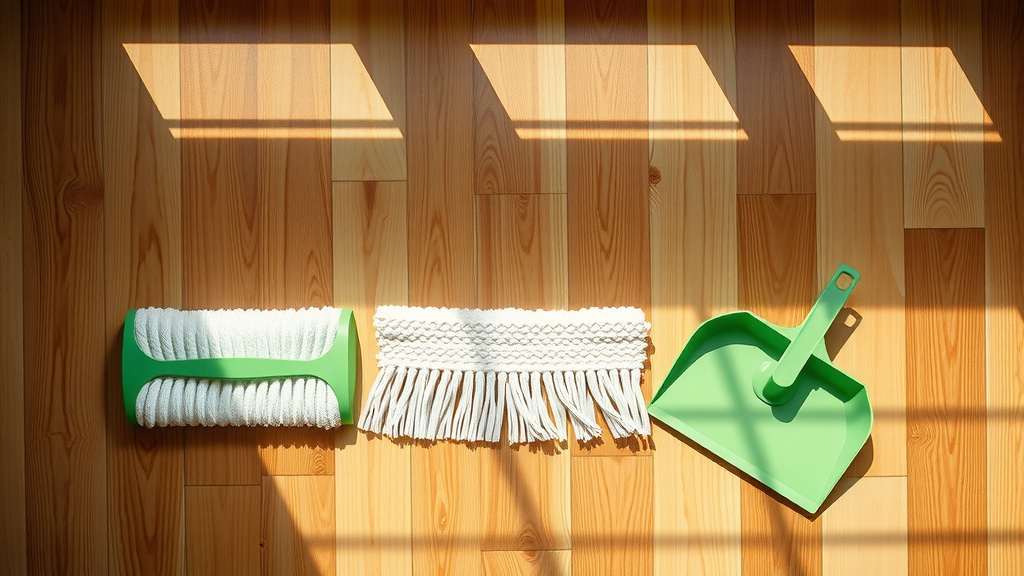
The AURUZA Retractable Gap Dust Cleaner Cleaning Tools has a handle that adjusts from 31 to 61 in and washable microfiber covers. It can be used dry or wet, so it may suit dusting under an appliance when vacuum access is limited.
The duster isn't a vacuum attachment and doesn't collect debris by suction. Use it for dusting, and choose a vacuum tool when you need to pick up crumbs or loose dirt.
What should you do when the vacuum can't reach?
Move to a closer outlet or reposition the vacuum when you can't reach without pulling the cord or hose tight. A short pause to change outlets is safer and easier than forcing the machine across a room.
If an outlet is unavailable, use a suitable extension cord only if the vacuum's manual allows it and explains the required type. Keep the connection dry, away from traffic, and within the cord's safe load limits.
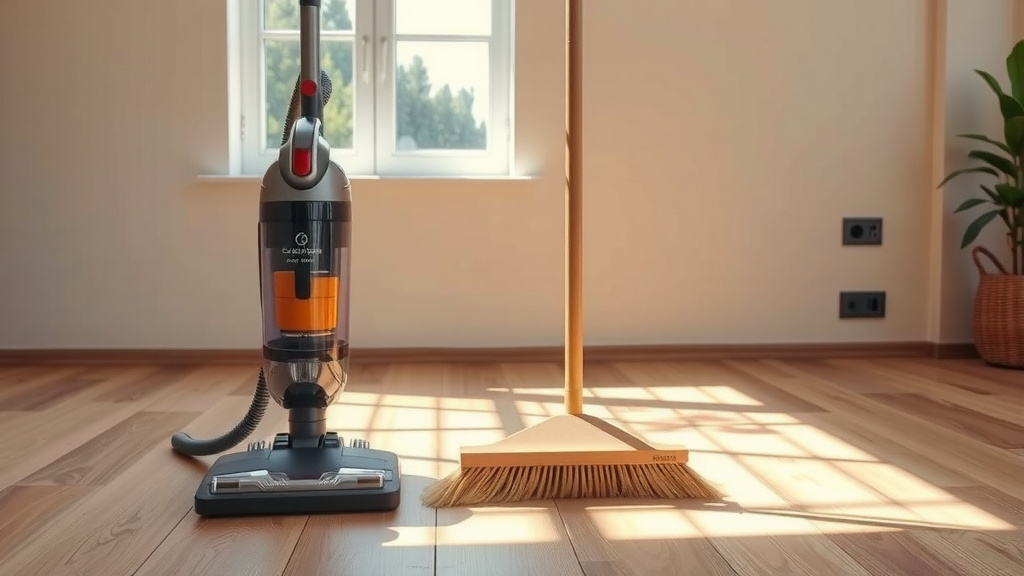
For a small mess or a spot that is difficult to access, what to use instead of a vacuum cleaner covers other cleaning options. A broom may suit loose debris on hard flooring, while a cloth or duster can handle surface dust.
You can also compare is a vacuum cleaner better than a broom? when deciding which tool suits the floor and debris. The right choice depends on the surface and the kind of mess, not just the distance from an outlet.
How can you choose a vacuum for the reach you need?
Choose based on your room size, outlet locations, and the surfaces you clean. A longer cord can reduce outlet changes, while a useful hose and compatible tools can make above-floor and detail cleaning easier.
If you clean a broad area with few nearby outlets, compare cord length and any published cleaning radius. For stairs or furniture, check the included tools and how the vacuum is meant to be carried or positioned.
The Aooeou Blackhead Remover Tools is a facial pore-cleaning device, not a household vacuum cleaner, so it won't help extend floor-cleaning reach. Its adjustable suction and five replaceable probes are for facial care.
For home cleaning, focus on a household vacuum's cord, hose, wand, and included floor or upholstery tools. If the published details leave a key measurement unclear, check compatibility and reach information before you buy.
How far can a vacuum cleaner reach in practice?
A vacuum cleaner can reach as far as its cord, hose, and wand allow while the machine stays stable and the cord has slack. Use the cleaning-radius figure if the maker provides one; otherwise, treat cord length as a starting point and expect obstacles to shorten the usable distance.
Pick a longer-cord model if outlet changes are your main concern. Choose compatible extension tools for above-floor spots, and move the machine or outlet when the route would leave the cord taut or across a walkway.
Frequently asked questions
How do you calculate a vacuum cleaner's reach?
Add the cord, hose, and wand lengths for a rough estimate, but don't treat that sum as usable reach. The cord starts at the outlet, and the hose and wand may not extend in a straight line.
A stated cleaning radius is more useful if the maker provides one.
Does a 25 ft vacuum cord mean it cleans 25 ft from the outlet?
No. A 25 ft cord gives you cord length, not a guaranteed 25 ft cleaning radius.
The vacuum's body takes up some of that distance, and turns, furniture, and hose limits reduce how far the head can travel.
Keep the cord slack and avoid pulling it tight.
Can you vacuum stairs without changing outlets?
Sometimes, if the cord, hose, and approved attachments can reach each stair safely from one outlet. Keep the vacuum stable on a flat surface, don't stretch a cord across a walking path, and move to another outlet if you need to pull hard or reach awkwardly.
Does a longer wand increase a vacuum's cleaning radius?
A longer wand can extend your reach from the vacuum body for ceilings, furniture, or floor edges, but it doesn't add cord length or make the vacuum itself cover more floor. Use only compatible attachments and stop if the wand feels unstable or pulls the hose taut.