Do Robot Vacuums Work on Stairs?
On this page (5 sections)
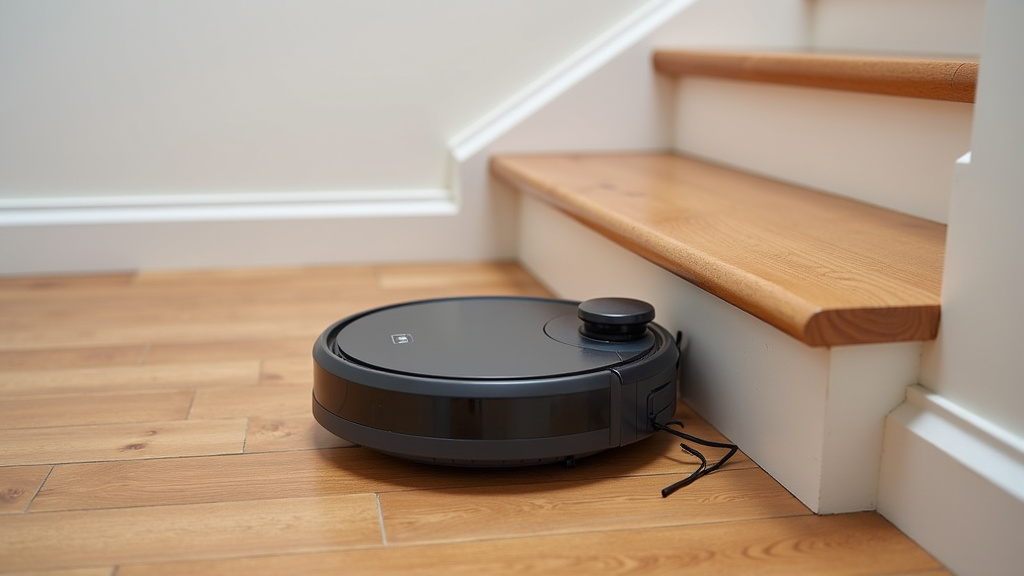
No, robot vacuums do not work on stairs. These clever devices are designed for flat surfaces and cannot climb or descend stairs on their own. You’ll still need to use a traditional vacuum or a handheld cleaner for those tricky steps.
It’s a common wish for many homeowners: a robot that cleans every nook, including stairs. While these machines excel at keeping your floors spotless, their navigation systems aren’t built for multi-level cleaning. Most models have sensors to detect drops, which actually prevents them from tumbling down stairs.
- Robot vacuums cannot clean stairs.
- They are designed for flat surfaces only.
- Sensors prevent them from falling down steps.
- You need a different tool for stair cleaning.
- No current robot vacuum can navigate multiple levels.
So, what are your options for keeping those stairways sparkling clean? Let’s dive into why robot vacuums aren’t stair-friendly and what solutions actually work for you.
Why Robot Vacuums Aren’t Built for Stairs
A robot vacuum cleaner is fantastic for keeping your floors clean, but its design simply doesn’t allow it to tackle stairs. They are built for single-level environments and lack the mechanics to navigate vertical changes.
Think of it like this: your car is great on the road, but you wouldn’t expect it to climb a set of steps. Robot vacuums have similar limitations when it comes to elevations.
Understanding Their Limitations
Several key design elements prevent robot vacuums from being stair-friendly. It all comes down to how they move and how they “see” their surroundings.
Mobility and Wheel Design
Robot vacuum wheels and suspension help the machine move smoothly over flat surfaces and small obstacles like rug edges. These wheels are designed for horizontal movement only.
They can’t grip a stair riser or lift the robot’s entire body weight up to the next step. There’s no mechanism for vertical propulsion, which is essential for climbing.
Sensor Technology and Drop Detection
This is where the robot’s intelligence actually works against stair cleaning. Robot vacuums are equipped with “cliff sensors”. These sensors are usually located on the underside of the device.
Their main job is to detect sudden drops, like the edge of a stair. When a sensor registers a drop, the robot’s programming tells it to turn around. This feature is vital for preventing your expensive device from taking a tumble down the stairs and getting damaged (or damaging your stairs!).
So, instead of seeing stairs as something to clean, the robot sees them as a hazard to avoid. It’s a safety mechanism, not a cleaning aid.
Lack of Multi-Level Mapping
Advanced robot vacuums create detailed maps of your home. They learn the layout of rooms, where obstacles are, and the best cleaning paths. However, these maps are almost always two-dimensional.
They don’t account for different floor levels or vertical transitions. A robot vacuum has no way to understand that a set of stairs leads to a completely new cleaning area. It only knows the flat surface it’s currently on.
The Practicalities of Robot Vacuum Use
While robots can’t do stairs, they excel at maintaining your floors. Understanding their best use can help you set realistic expectations for your cleaning routine.
Where Robot Vacuums Shine
Your robot vacuum is a champion at daily maintenance on flat, unobstructed floors. It’s perfect for:
- Keeping pet hair under control.
- Picking up dust and small debris.
- Maintaining cleanliness in between deeper cleans.
- Giving you more free time!
Many people find that running their robot vacuum regularly on the main floor significantly reduces the overall cleaning burden.
Setting Up Your Home for Robot Cleaning
To get the most out of your robot, a little preparation goes a long way. Make sure to clear clutter from the floor before a cleaning cycle. Pick up cables, small toys, and anything that could get tangled in the brushes.
Some models can handle different floor types, and this carpet performance lets them transition from hardwood to carpet seamlessly. You might need to use virtual walls or no-go zones to keep your robot out of areas where it might get stuck, like thick shag rugs or very narrow spaces.
Current Solutions for Stair Cleaning
Since your robot can’t help with the stairs, you’ll need to turn to other reliable tools. Luckily, there are several effective options available to keep those steps spotless. For a comprehensive guide on what to look for, explore our recommendations for the best vacuum for stairs.
Your Best Bets: Handheld and Cordless Vacuums
For stairs, portability and power are your top priorities. This is where handheld vacuums and cordless stick vacuums truly excel.
Handheld Vacuums
These compact devices are specifically designed for quick clean-ups and tricky spots. They are lightweight and easy to maneuver up and down stairs. Look for models with:
- Strong suction.
- Different attachments (brush tools, crevice tools).
- Decent battery life for cordless options.
Many experts, including Consumer Reports, often recommend handhelds for their ability to reach tight corners and handle pet hair on upholstery and stairs.
Cordless Stick Vacuums
Cordless stick vacuums offer a great balance of power and versatility. Many models can convert into a handheld unit, making them incredibly useful for stair cleaning.
They typically have stronger suction than dedicated handhelds and longer battery life. The lack of a cord means you can move freely without worrying about finding outlets or tripping. Just make sure to get one with good attachments for stairs.
Other Manual Cleaning Methods
Don’t forget the tried-and-true methods! Sometimes, the simplest tools are the most effective for specific jobs.
Traditional Upright or Canister Vacuums with Attachments
If you already own a traditional vacuum, chances are it has attachments perfect for stairs. Look for a hose attachment with a brush or crevice tool.
This method can be a bit more cumbersome because you have to balance the main unit on the stairs or at the bottom. However, it often provides very powerful suction for a deep clean.
Brushes and Dustpans
For quick touch-ups or small spills, a good old-fashioned brush and dustpan can do the trick. It’s ideal for hard surface stairs or for gathering larger debris before a vacuum passes through.
Stair Cleaning Checklist for You
To make sure your stairs are always sparkling, here’s a simple checklist:
- Gather your tools: Handheld vacuum, cordless stick vacuum (with attachments), or traditional vacuum with hose.
- Clear debris: Pick up any large items, shoes, or toys from the steps first.
- Start from the top: Vacuum or sweep from the highest step down to let gravity assist you.
- Use attachments: Utilize brush tools for carpeted stairs and crevice tools for corners and edges.
- Don’t forget the risers: Clean the vertical part of each step, not just the tread.
- Regular schedule: Aim to clean your stairs once a week, or more often if you have pets.
What About Multi-Level Robot Vacuums?
You might wonder if there’s a robot vacuum out there that can just magically move between floors. The short answer is: not yet, not truly autonomously.
While some advanced robot vacuums can map multiple floors in your home, they still require your intervention to move from one level to another. You’d have to physically pick up the robot and place it on the next floor for it to clean.
It’s not the seamless, automatic transition you might hope for. So, for now, the dream of a robot vacuum that climbs stairs remains just that – a dream!
Why Automated Multi-Level Cleaning Is So Hard
The engineering challenges for a robot that can navigate stairs are immense. It’s not just about climbing; it’s about stability, safety, and re-docking.
Imagine a robot trying to balance on each step, accurately detecting the next one, and then lifting itself safely. It would need advanced robotics far beyond what’s currently available in consumer-grade vacuums. Plus, it would need to find its way back to its charging base, which would be on a different floor.
The Future of Robot Stair Cleaning
Will we ever see robots that clean stairs? Many experts believe it’s possible, but it’s a long way off. It would require a major leap in:
| Technology Area | Current Limitations | Future Requirements |
|---|---|---|
| Mobility | Wheels for flat surfaces only. | Legs, tracks, or climbing mechanisms. |
| Navigation | 2D mapping, basic drop sensors. | 3D mapping, advanced depth perception, multi-level path planning. |
| Safety | Simple cliff avoidance. | Fail-safe mechanisms for climbing/descending, fall prevention at all angles. |
| Cost | Consumer-friendly pricing. | Likely very expensive due to complex engineering. |
For now, focus on enjoying the floor-cleaning prowess of your robot vacuum and using specialized tools for your stairs. It’s the most practical and efficient approach for a truly clean home.
Conclusion
While your robot vacuum is a fantastic helper for keeping your floors clean, it’s clear that stairs are still a job for you and your trusty handheld tools. Robot vacuums are simply not designed to climb or descend steps; their cliff sensors expertly keep them safe from tumbles.
Focus on letting your robot excel at its strengths on flat surfaces. For those vertical challenges, equip yourself with a good cordless stick or handheld vacuum. By using the right tool for each task, you’ll easily maintain a spotless home from top to bottom.
Frequently Asked Questions
Can I carry my robot vacuum upstairs to clean a different floor?
Yes, you can absolutely carry your robot vacuum to another floor. Many advanced models can even map multiple levels of your home. However, you’ll still need to manually move the robot between floors, as it cannot navigate stairs on its own.
Do robot vacuums get stuck at the top or bottom of stairs?
No, robot vacuums are designed with “cliff sensors” that prevent them from falling down stairs. When these sensors detect a drop, the robot will automatically turn around. This means it won’t tumble down your steps, but it also means it can’t clean them.
Are there any robot vacuums being developed that can clean stairs?
While engineers are always innovating, there are currently no consumer-grade robot vacuums on the market that can autonomously clean stairs. The technology required for stable, safe, and efficient stair climbing is very complex and would likely make such a device extremely expensive for now.
What’s the main reason robot vacuums can’t handle stairs?
The primary reasons are their wheel design and sensor technology. Their wheels are built for flat surfaces and can’t lift the robot vertically. Also, their essential cliff sensors detect stairs as a hazard to avoid, rather than an area to clean, which keeps them safe but also off your steps.
Is it safe to leave my robot vacuum near stairs if I’m not home?
Yes, it is generally safe to leave your robot vacuum to clean even when you’re not home, as long as it’s operating on a flat floor near stairs. Its cliff sensors are reliable and will prevent it from falling. For extra peace of mind, you can set up virtual no-go zones if your model offers that feature.