How Does A Robot Vacuum Cleaner Work?
A robot vacuum cleaner works by combining an array of sensors, mapping technology, and powerful suction with rotating brushes to autonomously clean your floors.
These smart devices navigate your home, avoid obstacles, and collect dust and debris without constant human intervention, making everyday cleaning simpler.
Here’s a quick rundown of how these clever cleaners operate:
- They use sensors to “see” and map your home’s layout.
- Navigation algorithms guide them in efficient cleaning patterns.
- Brushes sweep debris into a powerful suction path, collecting dirt.
- They automatically return to their charging dock when the battery is low.
- Many connect to apps, allowing you to schedule cleanings from anywhere.
How Does A Robot Vacuum Cleaner Work?
A robot vacuum cleaner operates using a complex system of sensors, intelligent navigation, and mechanical cleaning components to automatically remove dirt and debris from your floors.
They are designed to clean without you lifting a finger, bringing convenience right to your home.
Think of a robot vacuum as a tiny, diligent helper with its own brain and eyes. It doesn’t just wander aimlessly; it plans its route. We found that most models start by understanding their surroundings before they even begin to vacuum (iRobot Research).
This initial understanding helps them clean more efficiently and avoid bumping into furniture.
The Brain: Sensors and Navigation
The heart of any robot vacuum is its array of sensors. These act as its eyes and ears, allowing it to perceive the world. Many experts say these sensors are what make autonomous cleaning possible.
There are different types, each playing a critical role in its operation.
Cliff sensors, for example, prevent your robot from tumbling down stairs. They emit infrared light and detect if the light doesn’t return, signaling an edge. It’s a clever way to keep your device safe.
Bumper sensors detect physical contact, telling the robot it has bumped into something. This helps it adjust its path immediately.
Obstacle avoidance sensors use infrared or laser technology to “see” objects before touching them. This allows the robot to slow down and navigate around furniture or pets. It’s like giving your vacuum a sense of caution.
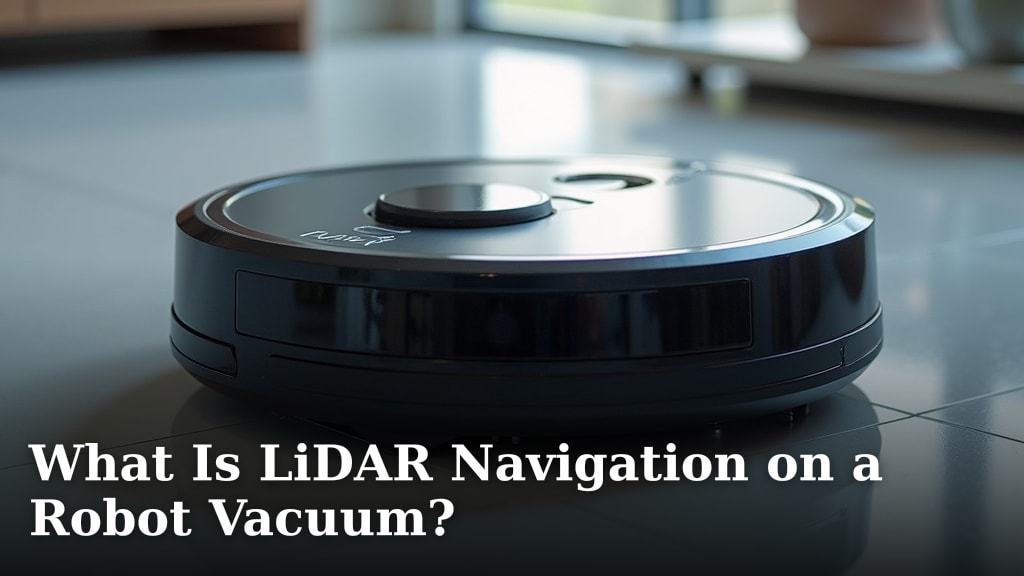
Some advanced models even use cameras or LiDAR (Light Detection and Ranging) for very precise mapping. This creates a detailed map of your home.
The Muscle: Suction and Brushing Power
Once the robot knows where it’s going, it needs to clean. This is where the powerful suction and brushes come in. A typical robot vacuum uses a combination of these elements to lift dirt.
The main brush roll, often a combination of bristles and rubber blades, agitates carpets and sweeps debris into the suction path. It’s designed to loosen stubborn dirt effectively.
Side brushes, or “spinning brushes,” reach into corners and along edges, flicking dirt toward the main cleaning path. This ensures a comprehensive clean, even in tricky spots. We found that a good side brush design makes a real difference (Consumer Reports).
Finally, the vacuum motor creates suction, pulling the dislodged dirt and dust into the onboard dustbin. This is just like a miniature version of a traditional vacuum cleaner’s action.
Smart Mapping: How They Know Your Home
Mapping is a game-changer for robot vacuums. Early models often moved in random patterns, which could miss spots. Today’s robots are much smarter.
Many use either gyroscope navigation or visual simultaneous localization and mapping (vSLAM). This lets them remember where they’ve been and where they still need to go.
Advanced robot vacuums create a digital map of your home. You can often see this map on your smartphone app. It shows cleaned areas and potential problem spots.
This map allows you to set “no-go zones” or virtual walls. Do you have a delicate rug? Simply tell your robot to avoid it from the app. It’s incredibly convenient.
Charging and Auto-Docking Explained
What happens when the battery runs low? For charging overnight, check your model’s guidance. You don’t need to worry about it. Robot vacuums are designed to be self-sufficient in this area too.
They automatically detect when their battery charge is low and navigate back to their charging dock. This smart feature ensures they are always ready for the next cleaning session.
Once docked, they recharge themselves, often taking a few hours, with power supplied by the vacuum motor. Some premium models can even “resume clean” – meaning they’ll pick up cleaning right where they left off once recharged. It’s true automation.
This automatic return to base is made possible by infrared signals from the dock, guiding the robot home. It’s like a homing beacon for your cleaning companion.
Beyond Cleaning: Smart Features You’ll Love
Modern robot vacuums offer more than just basic cleaning. They come packed with smart features that enhance convenience and performance. Many are designed to integrate seamlessly into your smart home ecosystem.
App control is almost standard now. You can schedule cleanings, choose cleaning modes, or direct your robot manually using your smartphone. Imagine starting a clean while you’re at work.
Voice assistant integration, like with Alexa or Google Assistant, lets you start or stop cleaning with simple voice commands. Just say “Hey Google, tell the vacuum to start cleaning,” and off it goes.
Self-emptying dustbins are another popular innovation. After cleaning, the robot docks and automatically empties its collected dirt into a larger bin in the base station. This means you only need to empty the main bin every few weeks (Consumer Reports).
Are Robot Vacuums Right For Your Home?
Deciding if a robot vacuum fits your lifestyle means weighing the advantages and understanding the limitations. They offer unmatched convenience but aren’t a full replacement for a deep clean.
Consider the type of flooring you have, the size of your home, and how often you need to clean. They excel at daily maintenance on hard floors and low-pile carpets.
Here’s a quick checklist to see if one might be for you:
- Do you want daily floor maintenance without effort?
- Do you have pets that shed frequently?
- Is your home mostly hard floors or low-pile carpets?
- Are you comfortable with app controls or smart home integration?
- Do you often feel you don’t have enough time to vacuum?
If you answered yes to most of these, a robot vacuum could be a game-changer for your cleaning routine. Many users find the time savings alone worth the investment.
They are best suited for maintaining cleanliness between more thorough, traditional vacuuming sessions.
Simple Maintenance for Your Robot Helper
Even though they clean themselves, robot vacuums still need a little care from you. Regular maintenance ensures they keep working efficiently and extends their lifespan. It’s like giving your car an oil change.
Keeping the dustbin empty is key. A full bin reduces suction power. We found that emptying it after every few cleans, or when the app notifies you, is ideal.
Cleaning the brushes is also vital. Hair, especially pet hair, can wrap around the main brush roll, hindering its performance. Many models come with a small cleaning tool to help with this.
Wiping down the sensors keeps them accurate. Dust or debris can obstruct cliff and obstacle sensors, making the robot less effective. A soft, dry cloth is usually all you need.
| Component | Maintenance Task | Frequency (Approx.) |
|---|---|---|
| Dustbin | Empty contents | After each/every other clean |
| Main Brush | Remove hair/debris | Weekly or bi-weekly |
| Side Brushes | Check for damage, clean | Monthly |
| Filters | Tap clean, replace if needed | Monthly (clean), Every 2-3 months (replace) |
| Sensors | Wipe clean | Monthly |
Following these simple steps will help your robot vacuum cleaner maintain peak performance. Think of it as a small investment of your time for continuous hands-free cleaning.
Conclusion
Robot vacuum cleaners have transformed home cleaning, moving from simple, random movements to sophisticated, intelligent floor care devices. They work by blending advanced sensor technology, precise navigation systems, and effective suction with brushing mechanisms.
Understanding “how does a robot vacuum cleaner work” reveals a blend of hardware and software designed to bring ultimate convenience to your daily routine. They handle everyday dust and debris, freeing up your time for other activities.
While they don’t replace a deep clean, their ability to maintain clean floors autonomously is truly remarkable. With features like smart mapping, app control, and self-emptying bins, these little helpers are more capable than ever before.
By providing consistent cleanliness with minimal effort, robot vacuums prove to be an invaluable addition to many modern homes. They truly represent the future of effortless living.
What kind of flooring can a robot vacuum cleaner handle best?
Robot vacuum cleaners generally perform best on hard floors such as hardwood, tile, and laminate. Many models also do a great job on low to medium-pile carpets and rugs. Taller pile carpets can sometimes be challenging for smaller robots.
How long does a robot vacuum cleaner battery last on a single charge?
Battery life varies significantly by model, but most robot vacuums can run for 60 to 180 minutes on a single charge. Advanced models might clean for even longer, and many will return to their dock to recharge before continuing if needed.
Can a robot vacuum clean multiple rooms or floors?
Yes, many modern robot vacuums can clean multiple rooms, especially those with smart mapping features. Some high-end models can even store multiple floor plans, allowing them to clean different levels of your home if manually moved between floors.
Do robot vacuums get stuck often?
Modern robot vacuums are designed with advanced sensors to minimize getting stuck. They navigate around common obstacles and avoid ledges. However, loose cables, very thick rugs, or small, easily moved items can occasionally trap them. Proper floor preparation helps a lot.
Are robot vacuums good for pet hair?
Many robot vacuums are specifically designed to handle pet hair effectively. Look for models with strong suction, tangle-free brush rolls, and large dustbins (or self-emptying features) for optimal performance. Regular brush cleaning is essential when dealing with pet hair.