Do Robot Vacuums Work Well on Carpet?
On this page (7 sections)
Yes, robot vacuums can work well on carpet, especially for light everyday cleaning and maintenance. Modern robot vacuums have improved suction power and specialized brushes designed to tackle various carpet types.
However, their performance often depends on the carpet’s pile height and the type of dirt. Thicker, high-pile carpets might still pose a challenge for some models. We’ve found that regular upkeep is where these devices truly shine.
- Robot vacuums handle low- to medium-pile carpets best.
- Look for models with strong suction and brush rolls.
- They excel at daily maintenance and pet hair removal.
- High-pile or plush carpets can be difficult for some.
- Human vacuums are still best for deep cleaning.
Ready to find out if a robot vacuum is the right fit for your carpeted home? Let’s explore what makes them tick and which features matter most.
Robot Vacuums on Carpet: What to Expect
Robot vacuums can be a fantastic addition to homes with carpets, offering daily upkeep without lifting a finger. They excel at picking up common household debris, especially on shorter pile carpets.
Think of them as your daily dust bunny patrol. They keep things tidy between your deeper, less frequent cleaning sessions with a traditional vacuum. It’s all about consistent maintenance.
Carpet Types and Robot Vacuum Performance
Not all carpets are created equal, and neither are all robot vacuums. The type of carpet you have plays a big role in how well your robot vacuum performs. Let’s break down the most common types.
Low-Pile Carpets
These are the robot vacuum’s best friends. Low-pile carpets have short, dense fibers, like those often found in offices or commercial spaces. Your robot vacuum can glide over them with ease.
It can reach the base of the fibers to pick up dirt and dust effectively. You’ll find these vacuums do a great job on low-pile rugs and wall-to-wall carpeting. They offer excellent daily cleaning.
Medium-Pile Carpets
Most residential carpets fall into this category. They have slightly longer fibers, offering a bit more cushioning. Robot vacuums generally handle medium-pile carpets quite well.
You’ll want a robot vacuum with good suction power and a capable brush roll for these. They can still navigate and clean effectively, though perhaps not as effortlessly as on low-pile surfaces.
High-Pile and Shag Carpets
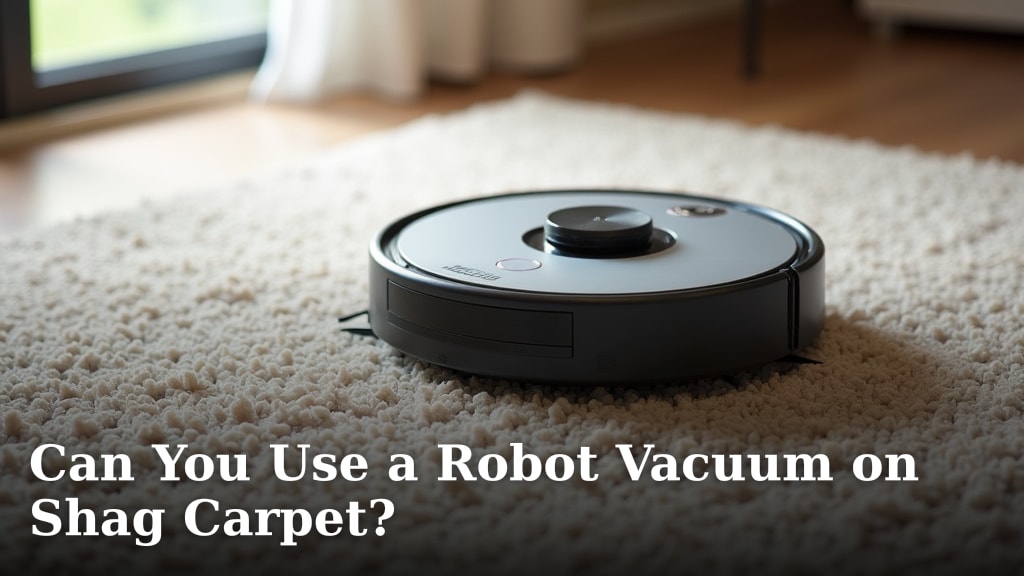
This is where things get a bit trickier. High-pile carpets have long, loose fibers, giving them a plush, luxurious feel. Shag carpets are even longer and shaggier. These can be a challenge.
Some robot vacuums might get stuck in the long fibers or struggle to move across them. The longer fibers can also prevent the vacuum from reaching deep-seated dirt. It’s like trying to run through tall grass – it’s harder!
If you have high-pile carpet, look for robots specifically designed for them. These often have larger wheels and stronger motors.
Key Features for Carpet Cleaning Prowess
When you’re shopping for a robot vacuum, certain features make a big difference for carpet cleaning. Knowing what to look for can save you a lot of frustration.
Suction Power
This is arguably the most important factor for carpets. Measured in Pascals (Pa), higher Pa numbers generally mean better suction. For carpets, especially medium-pile, you want a robot vacuum with strong suction.
Many modern robot vacuums offer around 2000-3000 Pa, which is usually sufficient for everyday carpet cleaning. Some premium models boast even higher numbers, which can be beneficial for pet hair or deeper carpets.
Brush Rolls and Extractors
The type of brush on your robot vacuum matters. Many models come with a bristle brush that agitates carpet fibers to dislodge dirt. These work well for general debris.
However, some advanced models feature rubber multi-surface brushes or tangle-free extractors. These are fantastic for pet hair, as they resist tangling and pull hair out of carpets more effectively. They also tend to be easier to clean (Mayo Clinic).
Wheel Design and Clearance
Larger wheels and higher ground clearance allow a robot vacuum to climb over obstacles, including carpet transitions and thicker rugs. If your home has varying carpet heights or thresholds, this feature is key.
A robot that can’t easily transition from hard floor to carpet will quickly become a nuisance. Look for models that explicitly mention their ability to handle different floor types.
Battery Life
Cleaning carpets often requires more power than cleaning hard floors. This means your robot vacuum’s battery might drain faster. A longer battery life ensures your robot can complete its cleaning cycle without needing to recharge mid-job.
Consider the size of your carpeted areas. For larger spaces, a robot with at least 90-120 minutes of run time is ideal. Many models also have a “recharge and resume” feature, which is handy for big homes.
The Pros and Cons of Robot Vacuums on Carpet
Is a robot vacuum right for your carpeted home? Let’s weigh the good against the not-so-good to help you decide.
Benefits of Using Robot Vacuums on Carpet
- Daily Maintenance: They are perfect for keeping carpets consistently clean. Running one daily prevents dirt and dust from building up.
- Pet Hair Control: Many models are excellent at picking up pet hair, significantly reducing the amount of fur around your home.
- Convenience: Set it and forget it! Schedule cleanings, and let the robot do the work while you’re busy or away.
- Reaches Under Furniture: Their low profile allows them to clean under beds and sofas, areas often missed by traditional vacuums.
Limitations of Robot Vacuums on Carpet
- No Deep Cleaning: They don’t have the intense suction or powerful agitation of upright vacuums. They won’t replace your annual deep carpet cleaning.
- Struggles with High-Pile: As we discussed, very plush or shag carpets can be problematic for many models.
- Small Dust Bin: Dustbins are smaller than traditional vacuums, meaning you’ll need to empty them more frequently, especially with pets or lots of carpet.
- Can Get Stuck: Thick tassels, small toys, or even dense carpet fringe can trap robot vacuums.
When a Robot Vacuum Shines on Carpet
So, when exactly does a robot vacuum become a carpet cleaning superstar? Here’s where they truly excel.
- You have mostly low- to medium-pile carpets.
- You need help with daily pet hair removal.
- You want to maintain a generally clean appearance between deeper cleans.
- You want to keep dust and allergens down with frequent, light vacuuming.
- You have areas under furniture that are hard to reach.
Consider this table to quickly compare typical robot vacuum performance across different carpet types:
| Carpet Type | Robot Vacuum Performance | Key Considerations |
|---|---|---|
| Low-Pile | Excellent | Most models perform well; great for daily upkeep. |
| Medium-Pile | Good to Very Good | Requires strong suction and effective brush rolls. |
| High-Pile | Moderate to Poor | Many struggle; look for specialized models with large wheels. |
| Shag | Poor to Very Poor | Often gets stuck or tangled; not recommended for most. |
Choosing the Right Robot Vacuum for Your Carpet
Ready to take the plunge? Here’s a quick checklist to guide your decision-making process for carpeted homes:
- Assess your carpet type: Low, medium, or high-pile? Be realistic.
- Prioritize suction power: Aim for 2000 Pa or higher for carpets.
- Check brush roll type: Rubber extractors are great for pet hair.
- Consider wheel size: Larger wheels help with transitions and thicker carpets.
- Read reviews: Look for feedback from users with similar carpet types.
Remember, no robot vacuum can fully replace the deep cleaning power of a traditional upright vacuum. But for keeping your carpets looking fresh and tidy every day, they are a powerful and convenient tool.
Conclusion
So, do robot vacuums work well on carpet? Absolutely, for the right kind of carpet and with the right expectations. They are fantastic for daily upkeep, especially on low to medium-pile carpets, keeping pet hair and dust bunnies at bay. Remember, they are your daily maintenance crew, not your deep-cleaning specialists.
By choosing a model with strong suction, good brush rolls, and wheels designed for your carpet type, you can enjoy cleaner floors with minimal effort. Assess your needs, check those features, and get ready to enjoy the convenience a robot vacuum brings to your carpeted home.
Frequently Asked Questions
Can robot vacuums really pick up pet hair from carpets?
Yes, many modern robot vacuums are quite effective at picking up pet hair from carpets. Look for models with strong suction power and specialized rubber brush rolls, as these are designed to agitate carpet fibers and prevent hair from getting tangled, making them ideal for pet owners.
How often should I run my robot vacuum on carpet?
For optimal results and to keep your carpets consistently clean, we recommend running your robot vacuum daily or every other day. Frequent, light cleaning prevents dust, dirt, and pet hair from building up, which makes your carpets look better and extends their life.
Do I still need a regular vacuum if I have a robot vacuum for my carpets?
Yes, you will likely still need a traditional upright or canister vacuum. Robot vacuums excel at daily maintenance, but they typically don’t offer the deep cleaning power needed to extract embedded dirt from carpet fibers. A traditional vacuum is best for periodic deep cleans.
Will a robot vacuum damage my carpet?
Generally, no, a robot vacuum will not damage your carpet. They are designed to glide over surfaces. However, some models might struggle or get stuck on very high-pile or shag carpets, which could potentially cause minor wear over time if the robot repeatedly drags or gets jammed. Always check compatibility.
What kind of maintenance does a robot vacuum need when used on carpet?
When using a robot vacuum on carpet, you’ll need to regularly empty its dustbin, as carpets tend to fill it up faster. It’s also important to frequently clean the brush rolls, especially if you have pets, to remove tangled hair and debris. Checking and cleaning sensors is also a good habit.