Can You Steam Mop Hardwood Floors?
Yes, you can steam mop some hardwood floors, but only sealed hardwood with a controlled amount of steam. Unfinished, waxed, or damaged finishes can absorb moisture, and even sealed floors need low steam, a clean pad, and quick drying.
On this page (10 sections)
- Which hardwood finishes can you steam mop?
- Can you steam mop hardwood floors without causing damage?
- What steam level is safe for hardwood?
- Which hardwood floors should you never steam mop?
- How do you prepare hardwood floors for steam mopping?
- Can you use a steam mop on hardwood and tile together?
- What mistakes damage hardwood floors during steam mopping?
- How do you care for pads and the mop after each use?
- When should you choose a different cleaner instead of steam?
- What is the final rule for steam mopping hardwood?
Yes, you can steam mop sealed hardwood floors on a low setting, but you should not steam mop unfinished or waxed wood. The safe answer depends on the finish, the steam level, and how dry the floor stays during the pass.
Most hardwood damage from steam comes from too much moisture, not from heat alone. A steamer that leaves the floor wet can push water into seams, cloud a finish, or raise grain over time.
A steamer that releases light steam through a clean microfiber pad, then leaves the floor nearly dry, is a different risk.
Which hardwood finishes can you steam mop?
Sealed hardwood with an intact polyurethane, aluminum oxide, or similar factory finish is the safest type for steam. Check the floor first by looking for shine, seams, and worn patches near doors and walkways.
If water beads on the surface and the finish looks even, light steam is more likely to be okay. If water soaks in, the surface feels rough, or you see bare wood in high traffic areas, skip steam until the finish is repaired.
Older floors often have wax, shellac, or oil finishes that need different care. Those finishes can soften or turn cloudy with heat and moisture.
A floor care professional can identify the finish if you are not sure.
How do you test a small area first?
Pick a spot under furniture or near a wall where a dull patch will not show. Use the lowest steam setting and a clean pad.
Make one slow pass, then check the floor after 10 minutes.
Look for white marks, raised grain, sticky residue, or a change in shine. If the finish looks the same and the area dried fast, you can use the same method on the rest of the floor.
If anything changed, stop and use a damp mop instead.
Our guide to what is the best vacuum for hardwood floors helps you remove grit before any steam touches the finish.
Can you steam mop hardwood floors without causing damage?
You can reduce damage risk by keeping steam low, pads clean, and passes fast. The floor should never sit in a puddle or look soaked after a pass.
Vacuum or sweep first, then fill the tank with plain water unless the maker says something else is safe for the machine. Set the lowest steam level, let the mop heat, and wring or swap the pad if it gets too damp.
Move in steady strokes and overlap each pass just slightly. Lift the mop at the end of a stroke instead of letting it rest in one place.
If you see wet streaks, switch to a dry pad for a quick follow up pass.
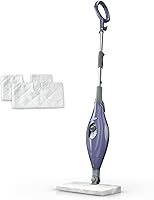
The Shark Steam Pocket Mop with 2 Washable is made for sealed hard floors, including hardwood, and starts steaming in as little as 30 seconds. That fast start helps you begin before a spill dries, but you still need to control the steam level for wood.
What steam level is safe for hardwood?
Use the lowest steam level and the thinnest effective pad. High heat and high moisture both make finish damage more likely, so low and dry is the right direction for wood.
Mops with steam controls let you match the setting to the mess. A light refresh needs less steam than dried on food near a stove.
On hardwood, choose the lower setting and make a second pass if needed, rather than starting high.
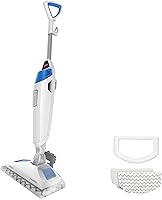
The BISSELL Steam Mop 1940A PowerFresh Floor Steam has 3 steam settings and a flip down scrubber for tough grime. For hardwood, use the lowest setting and lift the scrubber so it does not sit on the wood.
BISSELL says it is designed for sealed hard floors such as sealed hardwood, tile, ceramic, granite, and marble. The 23 foot power cord and XL removable water tank help you cover a room without stopping to refill or find a new outlet.
Which hardwood floors should you never steam mop?
Never steam mop unfinished, waxed, oil finished, or badly worn hardwood. Those surfaces have no sealed barrier to stop moisture, so steam can stain, swell, or dull the wood.
Also skip steam on boards with gaps, cupping, or loose edges. Water can enter those openings and reach the subfloor.
If the floor already has water damage, a steam mop will make the problem worse.
Laminate and engineered wood need separate checks. Some engineered floors have a real wood surface over a core that reacts to moisture.
Our post on shark steam mop on laminate floors explains why laminate needs extra care.
What about a shark steam mop on hardwood floors? It is designed for sealed hard floors, but the finish on your specific floor still controls whether steam is safe.
Read the floor care guide before you start.
How do you prepare hardwood floors for steam mopping?
Sweep, vacuum, spot clean, and check the pad before you add steam. Prep is what keeps grit from scratching the finish while the pad glides.
Remove shoes, rugs, and small items from the area. Vacuum with a hard floor head or sweep with a soft broom, then spot clean sticky spots with a product made for your finish.
Check the mop pad for sand, hair, or crumbs. A dirty pad can hold grit against the wood and spread it around.
Shake it out or replace it before you start.
Place a dry towel nearby for wiping up damp spots. That towel is your safety tool if the mop releases more steam than you expect in one area.
Can you use a steam mop on hardwood and tile together?
Yes, if both surfaces are sealed and you change steam levels between them. Tile and grout can handle more steam than wood, so use low steam on wood and a higher setting on tile.
Start on the hardwood section first while the pad is fresh and the steam is low. Rinse or swap the pad before moving to tile, since grout dirt can scratch wood if it transfers back.
The LABIGO Steam Cleaner is a 10 in 1 detachable handheld steam mop with 2 steam levels and a 350 ml tank. Its low level suits daily cleaning, while the higher level fits grout and other hard surfaces.
LABIGO says the tank gives about 12 to 15 minutes of continuous cleaning per fill and that the mop heats up in 10 seconds. Do not add chemical cleaners to the tank, since the maker warns that can block the steam nozzle.
For mixed floors, our best steam mop for hardwood floors and tile guide compares models that handle both surfaces with separate settings.
What mistakes damage hardwood floors during steam mopping?
Soaking the floor, resting the mop in one spot, and using a dirty pad cause most of the damage. Each mistake adds moisture or grit in a way the finish cannot shed.
Another common mistake is steaming over a finish that already needs recoating. Dull, worn areas have less protection, so even light steam can cloud them.
Fix worn spots before you rely on steam for regular cleaning.
Using too much steam on grout lines next to wood can also splash moisture onto the boards. Shield the wood edge with a towel or clean the grout with a handheld nozzle first.
Letting the floor stay damp while you clean another room is risky. Dry any wet patches right away, and keep the mop moving so heat does not build in one place.
How do you care for pads and the mop after each use?
Empty the tank, dry the pads, and store the mop with pads off the floor. Good care keeps steam flowing evenly and stops musty smells from building up.
Let the mop cool before you wash pads or add water. Wash microfiber pads by themselves when they are dirty, and skip fabric softener so the fibers can absorb moisture.
Check the filling flask, cap, and nozzle for mineral buildup. Wipe the tank opening and follow the maker steps for descaling if steam flow drops.
A clean nozzle gives you more control over steam output.
Store the Shark Steam Pocket Mop under 5 lb design makes it easy to carry between rooms, but hang or stand it so pads do not stay pressed flat. The BISSELL has a 6.2 lb unit weight, so place it where you will not bump it into furniture.
When should you choose a different cleaner instead of steam?
Choose a spray mop or damp microfiber mop for unfinished, waxed, or very old hardwood. Those floors need less moisture, and a light spray gives you control over each pass.
If your floor finish is in good shape but you mainly need dust and hair removal, vacuuming may be enough for the day. Save steam for sticky spills and periodic sanitizing on sealed floors.
Compare options in best steam mop for hard floors before you buy, and look for a model with a low steam setting you can trust on wood. A steam cleaner guide can also help if you want a handheld tool for grout, counters, and other sealed surfaces.
What is the final rule for steam mopping hardwood?
Sealed hardwood can be steam mopped on low with a clean pad and fast, dry passes. Unfinished or waxed wood should not be steam mopped at all.
Pick the Shark Steam Pocket Mop for a light, flip side pad system on sealed floors. Pick the BISSELL PowerFresh if you want 3 steam levels and a scrubber for tile areas you clean in the same session.
Pick the LABIGO if you want a detachable handheld tool and 2 steam levels for mixed surfaces.
Before your first pass, test a hidden spot, vacuum the grit away, and keep a dry towel close. That short check tells you more about your floor than any general rule can.
Frequently asked questions
Can you steam mop hardwood floors with a polyurethane finish?
Yes, sealed hardwood with intact polyurethane can usually be steam mopped on the lowest setting with a thin microfiber pad. Keep the mop moving, do not soak the floor, and dry damp areas right away.
Stop and check the finish if you see dull spots or swelling.
What should you never steam mop on hardwood?
Never steam mop unfinished wood, oil-rubbed wood, waxed floors, or wood with open seams and damaged finish. Steam can drive moisture into the wood and raise grain or weaken the finish.
For those floors, use a barely damp mop and a cleaner made for that finish.
How often should you steam mop hardwood floors?
For most homes, once every 1 to 2 weeks is enough when you also sweep or vacuum between sessions. More frequent steam can add moisture faster than the finish can handle.
Adjust the schedule to foot traffic, pets, and how quickly the floor dries after each pass.
Do you need to vacuum before you steam mop hardwood?
Yes, sweep or vacuum first so grit does not get dragged across the finish. A Best Vacuum For Hardwood Floors with a hard floor setting can pick up dust and pet hair without beating the boards.
Start steam only after crumbs and grit are gone.